
What is abstract art?
- Show All
- Established
- Discoveries
- Show All
Artworks Related to Abstract art
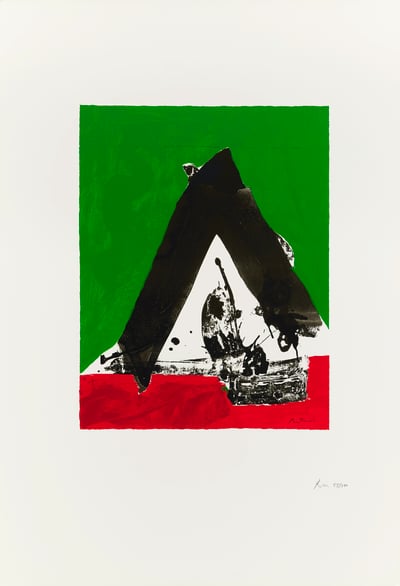
Robert Motherwell
Untitled 5 from The Basque Suite, 1970-71
Limited Edition Print
Screen-print
USD 2,650
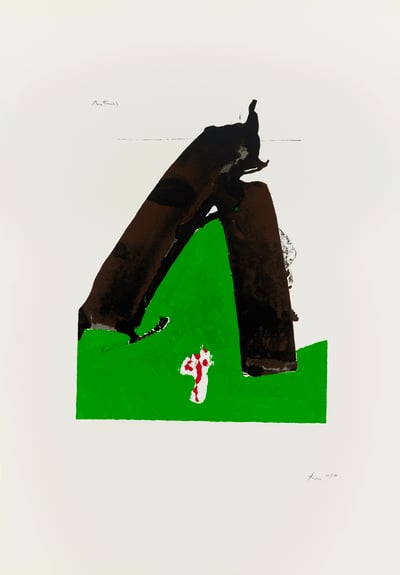
Robert Motherwell
Untitled 4 from The Basque Suite, 1970-71
Limited Edition Print
Screen-print
USD 2,650
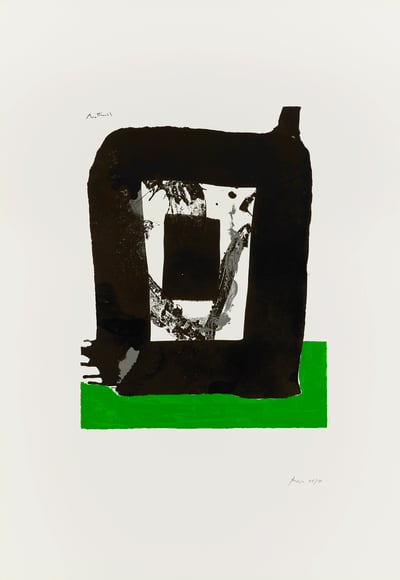
Robert Motherwell
Untitled 3 from The Basque Suite, 1970-71
Limited Edition Print
Screen-print
USD 2,650
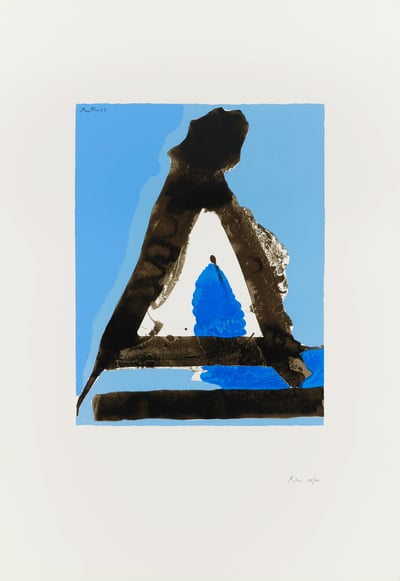
Robert Motherwell
Untitled 2 from The Basque Suite, 1970-71
Limited Edition Print
Screen-print
USD 2,650
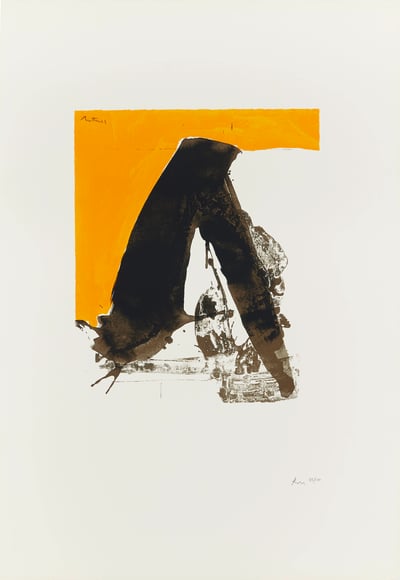
Robert Motherwell
Untitled 1 from The Basque Suite, 1970-71
Limited Edition Print
Screen-print
Currently Not Available
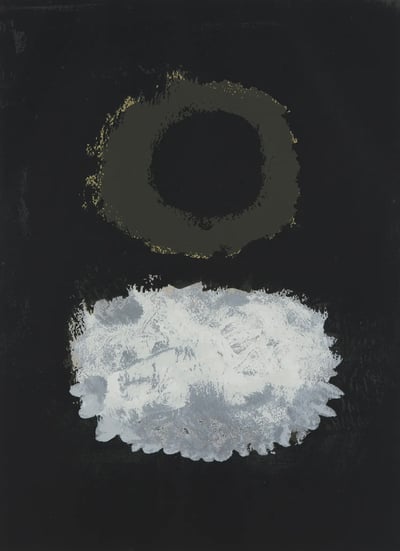
Adolph Gottlieb
Black Field, 1972
Limited Edition Print
Screen-print
USD 3,600
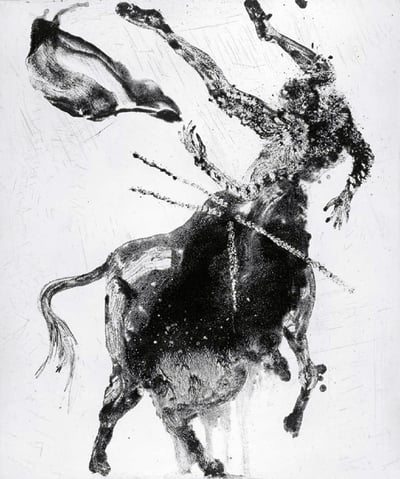
Miquel Barceló
Lanzarote 62, 2002
Limited Edition Print
Etching and Aquatint
EUR 8,950
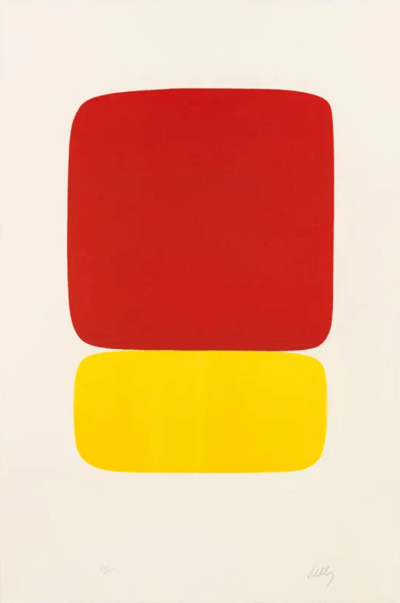
Ellsworth Kelly
Red Over Yellow, 1964-1965
Limited Edition Print
Lithograph
Inquire For Price
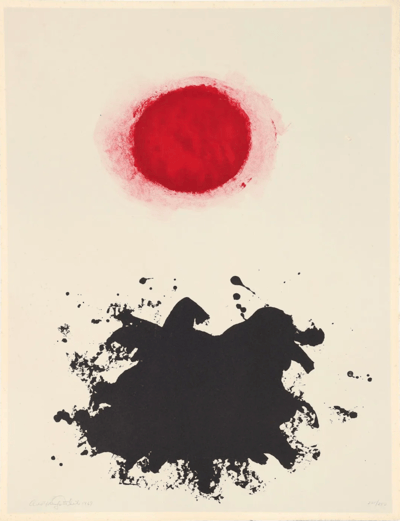
Adolph Gottlieb
Untitled (from the Flight portfolio), 1971
Limited Edition Print
Lithograph
Inquire For Price

Victor Vasarely
Gordes Gestalt, 1948
Limited Edition Print
Etching
EUR 1,500
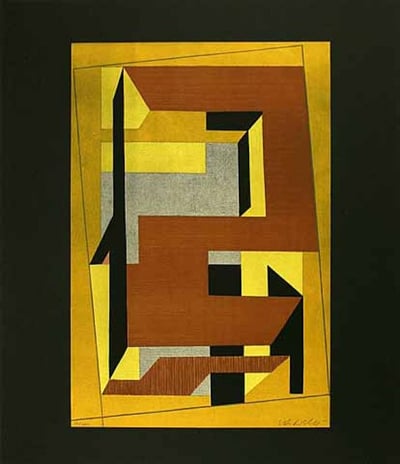
Victor Vasarely
Gordes Taira, 1971
Limited Edition Print
Lithograph
EUR 1,500

Victor Vasarely
La Certa, 1981
Limited Edition Print
Screen-print
EUR 1,400

Victor Vasarely
Gordes Tabor, 1971
Limited Edition Print
Lithograph
EUR 1,400
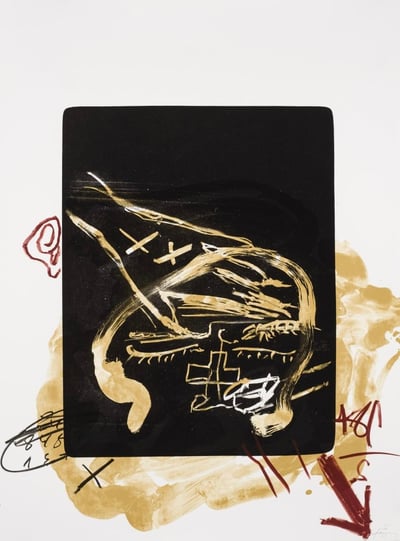
Antoni Tapies
Main sur tête, 1984
Limited Edition Print
Lithograph
EUR 3,800
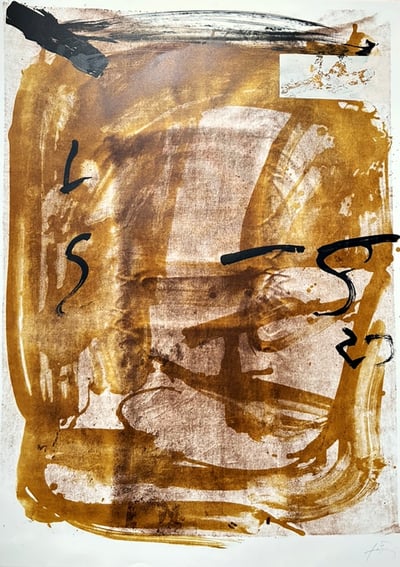
Antoni Tapies
Apparitions, 1984
Limited Edition Print
Lithograph
EUR 3,200
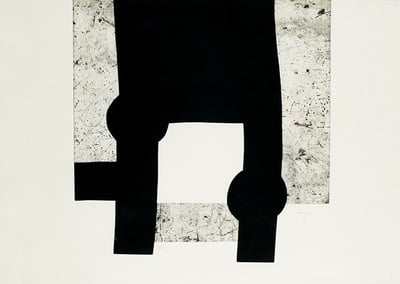
Eduardo Chillida
Medecins Du Monde, 1992
Limited Edition Print
Etching and Aquatint
EUR 23,500
Related Articles

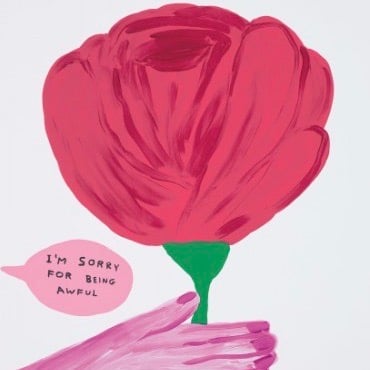
Naïve art describes a style of artwork that is simple and unsophisticated, often created by artists without formal training in an academy or art school. The style is characterized by a lack of advanced techniques, giving it a childlike appearance. Naïve art often features bright colors, simple shapes, and a straightforward approach to subject matter, reflecting the artist's untrained perspective.
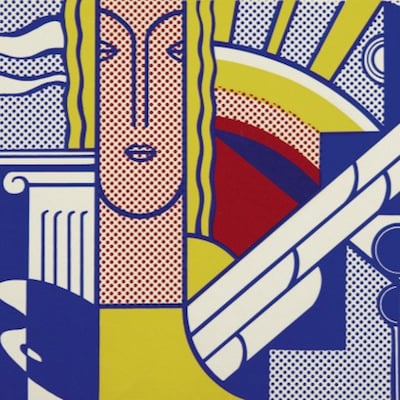
Late Modernism refers to the continuation and evolution of Modernist principles in art, architecture, and literature from the mid-20th century into the late 20th century. This movement maintains a focus on form, abstraction, and the rejection of traditional styles, but it often incorporates more complexity and ambiguity compared to early Modernism. Late Modernism explores themes such as alienation, identity, and the fragmentation of reality, reflecting the social and cultural shifts of the post-war period. It is seen in the works of architects like Louis Kahn and artists like Francis Bacon, who pushed the boundaries of Modernism while responding to the changing world around them.

Massurrealism is a portmanteau word coined by American artist James Seehafer in 1992. He observed a trend among postmodern artists who blended themes and aesthetic styles with mass media, including elements of pop art. Massurrealism is a development of surrealism that emphasizes the technological effects on the imagery of contemporary surrealism. The key difference between massurrealism and surrealism is that the latter was founded in Europe at the beginning of the 20th century, while massurrealism is rooted in the influence of modern technology and media.
Can't find your Answer?
Thank you! Your question has been sent — we'll get back to you shortly.
