
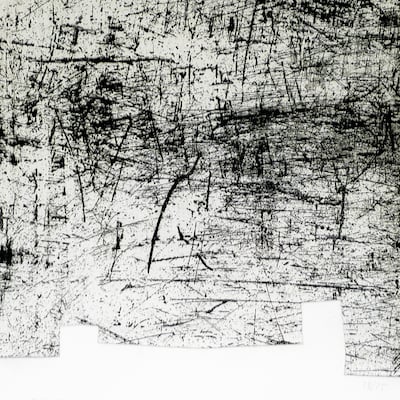
What is abstract art?
- Show All
- Established
- Discoveries
- Show All
Artworks Related to Abstract art

Antoni Clave
Untitled (Textured Remnants), 1970
Limited Edition Print
Carborundum
EUR 1,130

Antoni Clave
Papier froissé, 1975
Limited Edition Print
Lithograph
EUR 950
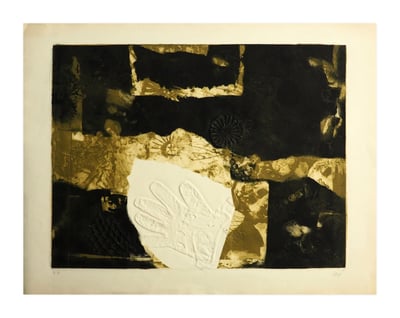
Antoni Clave
El guant, 1971
Limited Edition Print
Carborundum
Currently Not Available

Paul Van Hoeydonck
Suite Olympic Centennial, 1991
Limited Edition Print
Serigraph
Currently Not Available
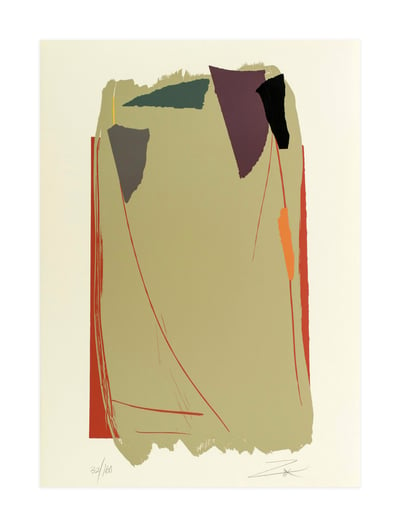
Larry Zox
Grey Sweep I, 1979
Limited Edition Print
Serigraph
Currently Not Available

Robert Barry
Réflexions, 1991
Limited Edition Print
Lithograph
EUR 850

Antoni Clave
Composition XIII, 1991
Limited Edition Print
Mixed Media
EUR 1,350

Antoni Clave
Trefles noirs, 1970
Limited Edition Print
Etching
EUR 3,125
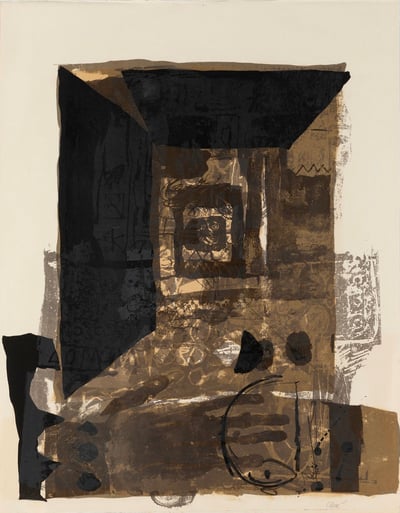
Antoni Clave
Homenaje al Greco. Cadre Noir, 1965
Limited Edition Print
Lithograph
EUR 950

Antoni Clave
Empreinte De Gant, 1978
Limited Edition Print
Engraving
EUR 1,350

Antoni Clave
Les Cordes Muettes, 1979
Limited Edition Print
Etching
EUR 1,300

Antoni Clave
Instrument étrange, 1990
Limited Edition Print
Etching
EUR 1,350

Antoni Clave
Quatre Points, 1973
Limited Edition Print
Etching
EUR 2,250
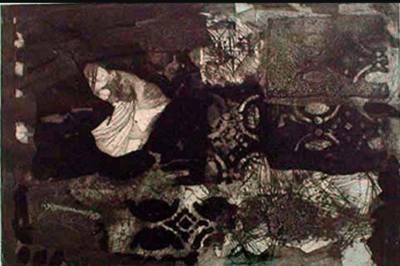
Antoni Clave
Pochoirs I, 1968
Limited Edition Print
Etching and Aquatint
EUR 1,150

Antonio Saura
Moi, Planche 12, 1976
Limited Edition Print
Serigraph
EUR 1,880

Antonio Saura
Moi, Planche 14, 1976
Limited Edition Print
Serigraph
EUR 2,650
Related Articles

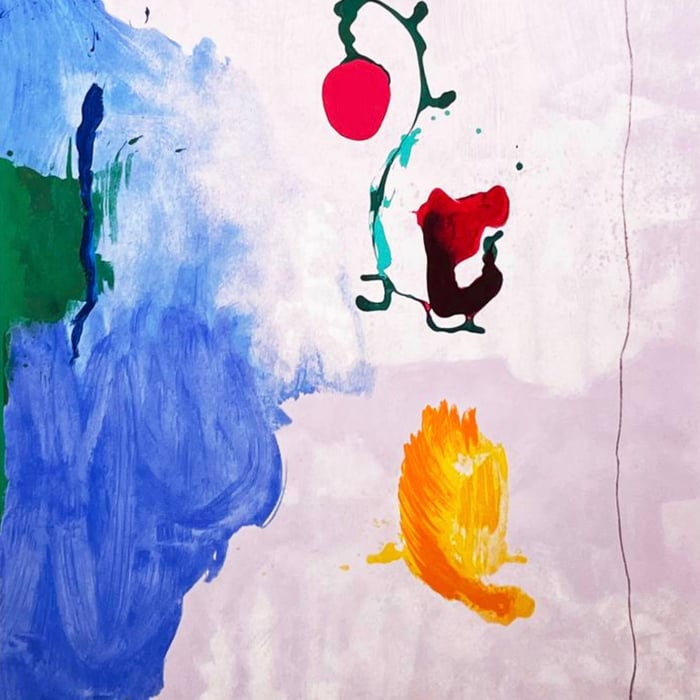
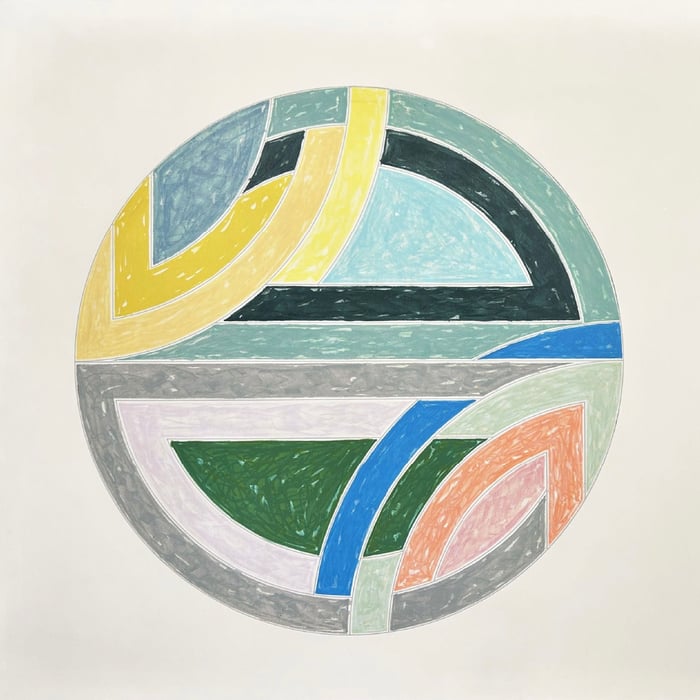

Postminimalism refers to a range of art styles that emerged in the 1960s, following the Minimalism movement. While Minimalism focused on simplicity and impersonality, Postminimalist artists retained some elements of Minimalism but also explored greater expressiveness, experimenting with new materials and techniques. This movement includes various forms of art such as conceptual art, body art, performance art, process art, and site-specific works. Postminimalism represents a shift toward more personal, tactile, and process-oriented approaches to art-making.
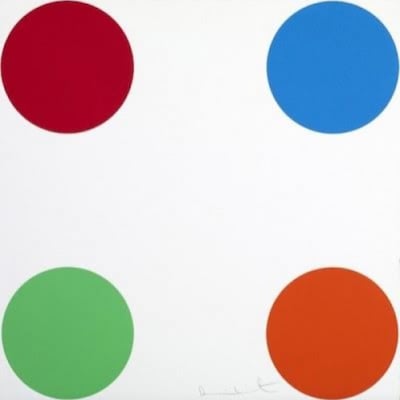
Young British Artists (YBAs), also known as Britart or Brit artists, refers to a group of artists who began exhibiting together in London in 1988. Most of them graduated from the BA Fine Arts course at Goldsmiths in the late 1980s. The YBAs are known for their wild lifestyles, use of unconventional materials, and a combination of entrepreneurial and oppositional attitudes. They dominated the British art scene in the 1990s and gained significant media attention. Many of these artists were initially supported and collected by Charles Saatchi, a key figure in their rise to prominence.
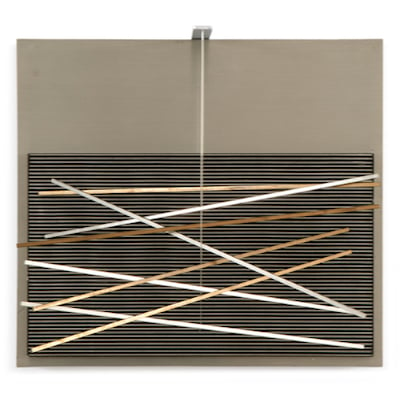
Kinetic art is an international movement that emerged in the 1920s and gained prominence in the 1960s, referring to art that involves both apparent and real motion. It encompasses any medium that includes movement, either relying on actual motion for its effect or being perceived as moving by the viewer. Early examples include canvas paintings designed to create optical illusions of movement. Today, kinetic art often refers to three-dimensional figures and sculptures, such as those operated by machines or those that move naturally. The movement covers a variety of styles and techniques that frequently overlap.
Can't find your Answer?
Thank you! Your question has been sent — we'll get back to you shortly.
