
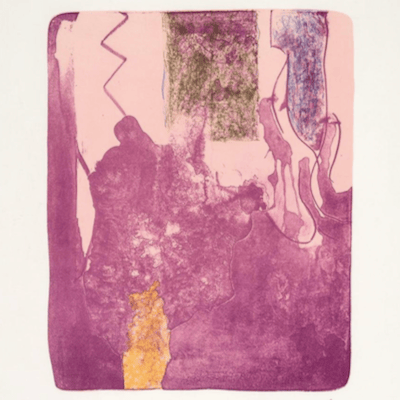
What is abstract expressionism?
- Show All
- Established
- Discoveries
- Show All
Artworks Related to Abstract expressionism
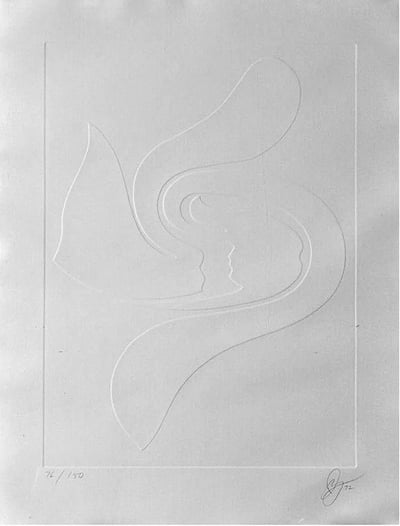
Jack Youngerman
Untitled 1, from the White Portfolio, 1972
Limited Edition Print
Intaglio
Inquire For Price
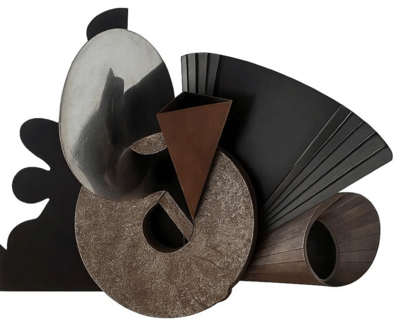
Frank Stella
The Decanter, 1986
Sculpture / Object
Mixed Media
Inquire For Price
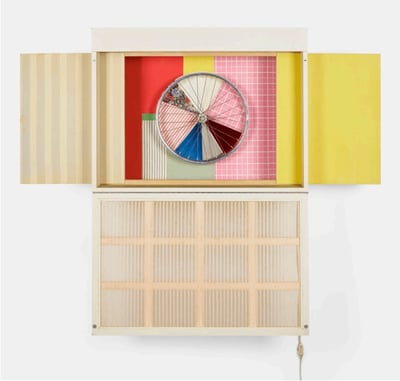
Robert Rauschenberg
Publicon Station IV, 1978
Sculpture / Object
Mixed Media
USD 34,000 - 50,000
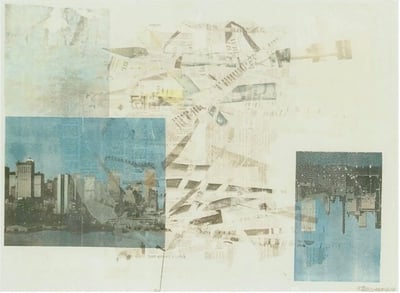
Robert Rauschenberg
Bait (Stoned Moon Series), 1982
Drawing / Watercolor
Mixed Media
Inquire For Price
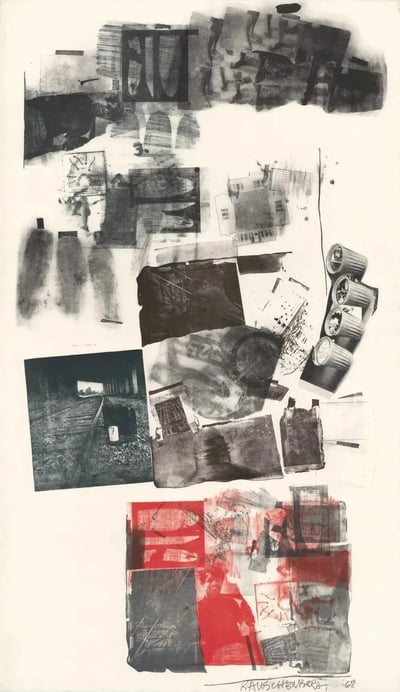
Robert Rauschenberg
Water Stop, 1968
Limited Edition Print
Lithograph
Inquire For Price

Louise Nevelson
Sky Flower, 1977
Limited Edition Print
Collage
USD 5,000 - 6,000

Paul Jenkins
Untitled, 1960
Drawing / Watercolor
Watercolor
Inquire For Price

Sam Francis
Untitled, 1988
Painting
Acrylic on canvas
Inquire For Price

Sam Francis
Untitled (SF-358), 1993
Limited Edition Print
Lithograph
EUR 8,000

Robert Motherwell
Soot-Black Stone, #5, 1975
Limited Edition Print
Lithograph
USD 1,810

Robert Motherwell
Soot-Black Stone, #4, 1975
Limited Edition Print
Lithograph
USD 1,810

Robert Motherwell
Soot-Black Stone, #3, 1975
Limited Edition Print
Lithograph
USD 1,810

Robert Motherwell
Soot-Black Stone, #2, 1975
Limited Edition Print
Lithograph
USD 1,810
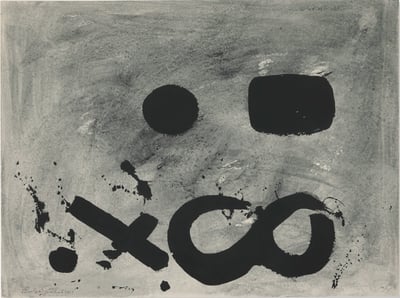
Adolph Gottlieb
Figure Eight, 1967
Limited Edition Print
Screen-print
USD 3,450

Adolph Gottlieb
Crimson Ground, 1972
Limited Edition Print
Screen-print
USD 3,450
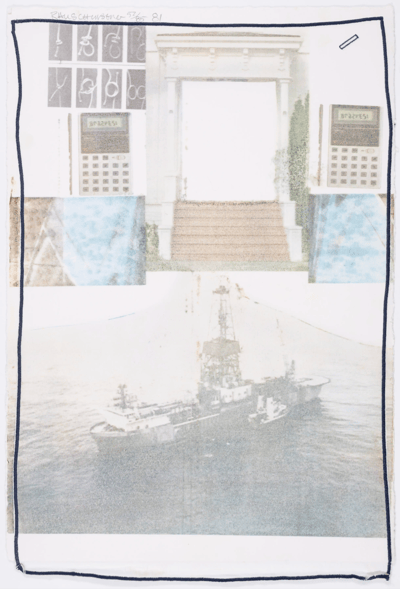
Robert Rauschenberg
Arcanum VII, 1981
Limited Edition Print
Collage
Inquire For Price
Related Articles

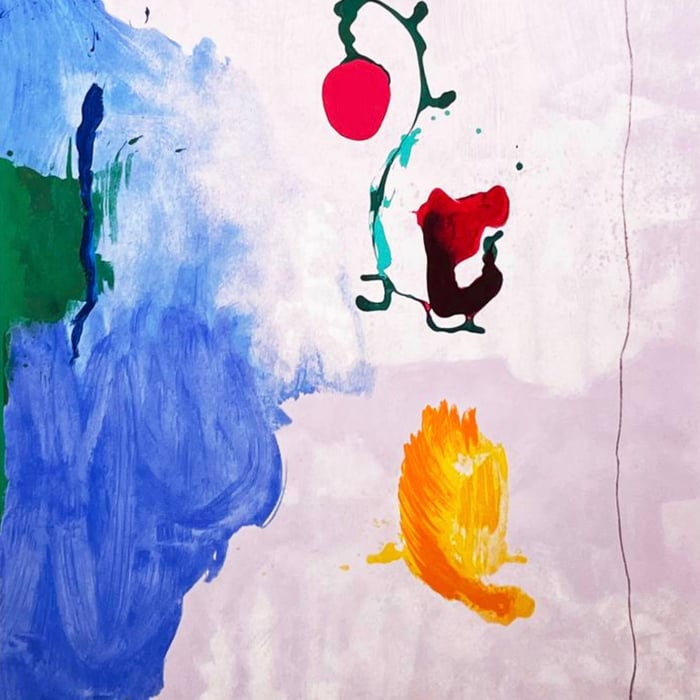
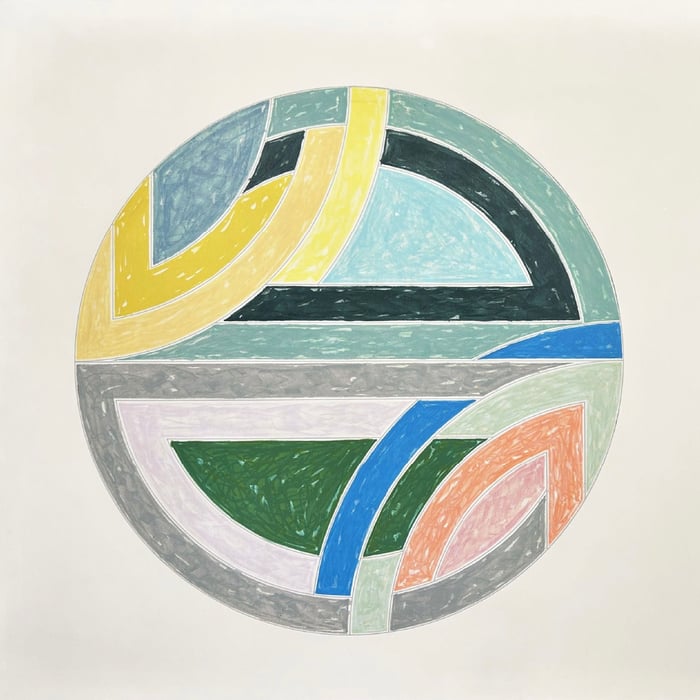

Known as Neo-Geo for short, this movement uses geometric objects and shapes to create abstract artwork as a metaphor for society. Inspired by various 20th-century art styles, including minimalism and pop art, Neo-Geo emerged in the 1980s as a response to the industrialization and commercialization of the modern world. The movement reflects on the impact of mass production, consumerism, and technology, often critiquing the superficiality of contemporary culture through its abstract, geometric compositions.

Provenance refers to the chronology of ownership, location, or custody of an artwork. Tracing an object's provenance helps establish its authenticity and historical context by documenting its ownership history, storage locations, and custody over time. This process often involves expert opinions, comparative analysis, and scientific testing to provide evidence of the artwork’s origin and history.

Grupo Frente was a movement founded in 1954 in Brazil by teaching artist Ivan Serpa. The movement included many students from the Rio de Janeiro Museum of Modern Art and sought to reject the nationalism and figuration present in the modernist forms of Brazilian painting. Grupo Frente emphasized experimentation and abstraction, aiming to explore new artistic possibilities beyond traditional constraints.
Can't find your Answer?
Thank you! Your question has been sent — we'll get back to you shortly.
