
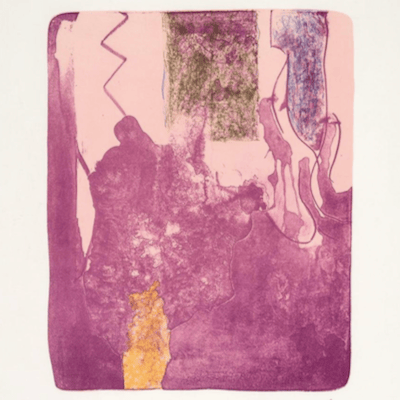
What is abstract expressionism?
- Show All
- Established
- Discoveries
- Show All
Artworks Related to Abstract expressionism

Lucio Fontana
Nudo rosa, 1967
Limited Edition Print
Mixed Media
USD 10,500

Adolph Gottlieb
Germination, 1969
Limited Edition Print
Lithograph
USD 3,300

Maurice Wyckaert
Sans titre, 1976
Drawing / Watercolor
Gouache
EUR 4,750
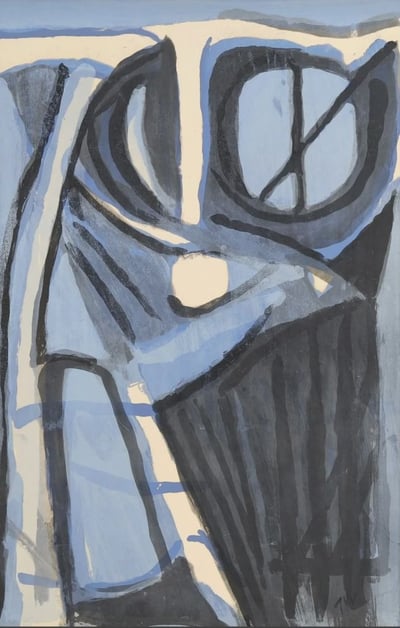
Bram Van Velde
MP 166, 1975
Limited Edition Print
Lithograph
EUR 2,350
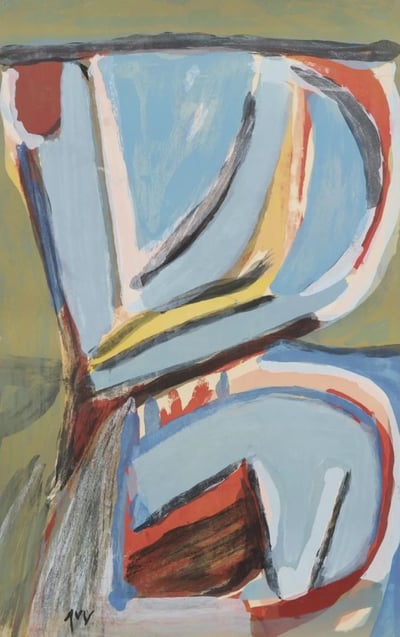
Bram Van Velde
MP 167, 1975
Limited Edition Print
Lithograph
EUR 2,350

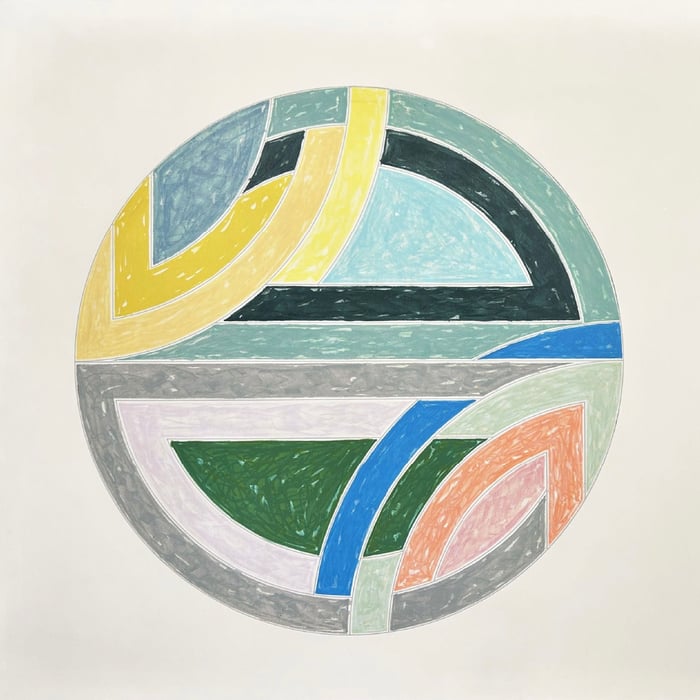
Frank Stella
Sharpesville, from Multicolored Squares I, 1972
Limited Edition Print
Lithograph
USD 7,000
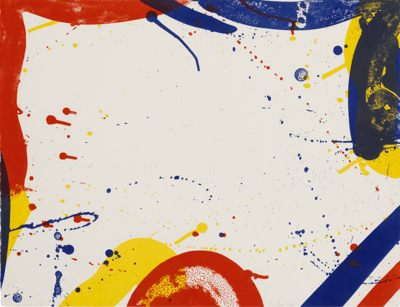
Sam Francis
Untitled (from Portfolio 9), 1967
Limited Edition Print
Lithograph
USD 6,000

Joan Mitchell
Champs - Black, Grey and Green, 1991
Limited Edition Print
Lithograph
USD 17,000

Joan Mitchell
The New York School, 1960
Limited Edition Print
Screen-print
USD 12,000

Agnes Martin
Untitled (from Paintings and Drawings: 1974-1990), 1991
Limited Edition Print
Lithograph
EUR 8,600

Jordi Alcaraz
Autoretrat somiant, 2026
Sculpture / Object
Mixed Media
EUR 6,500
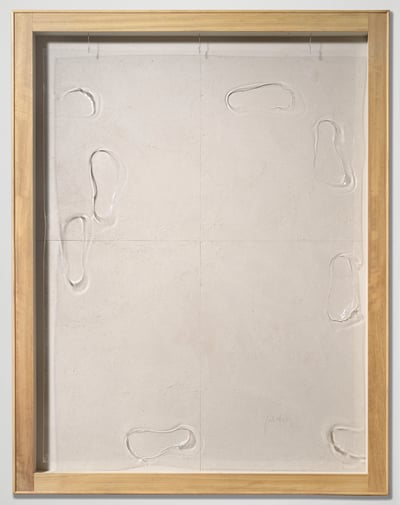
Jordi Alcaraz
Autoretrat caminant, 2026
Sculpture / Object
Mixed Media
EUR 10,000

Fernando Botero
Pedrito, 1975
Limited Edition Print
Offset Print
EUR 6,600
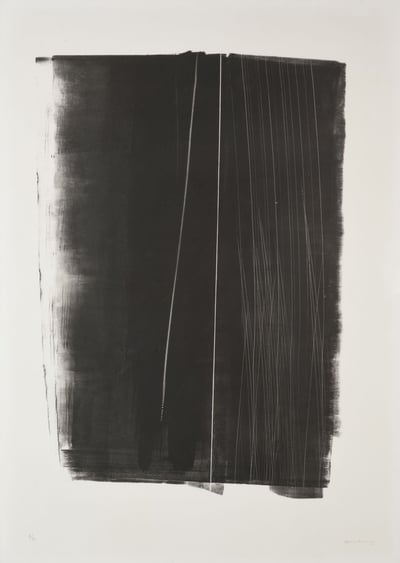
Hans Hartung
L 1973-46, 1973
Limited Edition Print
Lithograph
EUR 2,050
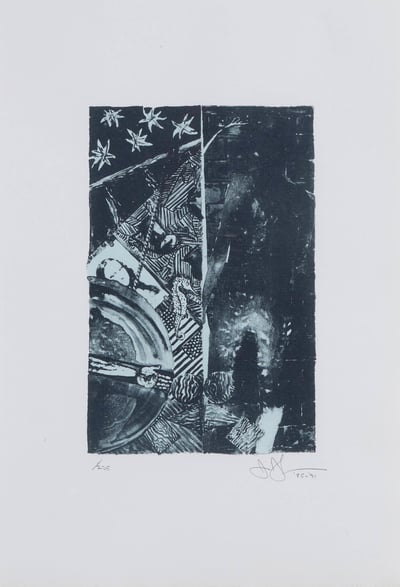
Jasper Johns
Summer (Blue), 1985-91
Limited Edition Print
Lithograph
USD 4,690
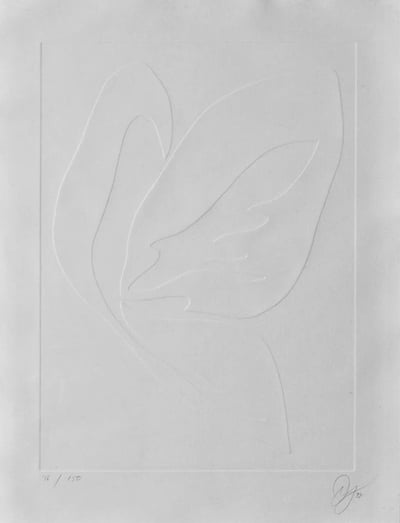
Jack Youngerman
Untitled 2, from the White Portfolio, 1972
Limited Edition Print
Intaglio
Inquire For Price
Related Articles


Offset lithography is a printing technique where the inked image is first transferred (offset) from a plate to a rubber blanket and then to the printing surface. This method combines the lithographic process, which relies on the repulsion of water and oil, to keep non-printing areas ink-free by attracting a water-based film. Offset lithography was originally developed to reduce costs in reproducing artwork and is widely used for high-volume printing due to its efficiency and ability to produce sharp, consistent images.

Neo-Figurative Art is a collective term that refers to the revival of figurative art in America and Europe during the 1960s, following a period dominated by abstraction. Michel Ragon, a French art critic, argued that this resurgence of figuration occurred during a critical time of social and political upheaval in both regions.

Digital art refers to art which is created using digital technology. It can be generated by computer, drawn or scanned with a tablet using a mouse. Video may be downloaded to computers so artists can manipulate images filmed with a video camera.
Can't find your Answer?
Thank you! Your question has been sent — we'll get back to you shortly.
