
What is abstract expressionism?
- Show All
- Established
- Discoveries
- Show All
Artworks Related to Abstract expressionism

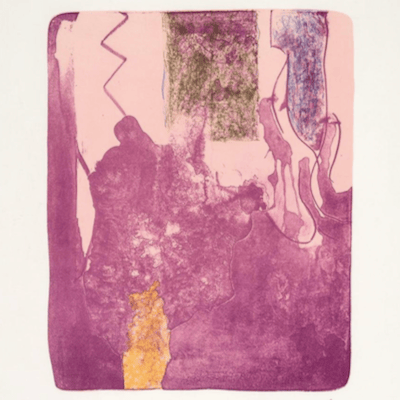
Sam Francis
Untitled (from the Fresh Air School portfolio), 1972
Limited Edition Print
Lithograph
EUR 1,850

Frank Stella
La penna di hu (black and white), 1988
Limited Edition Print
Mixed Media
USD 17,550
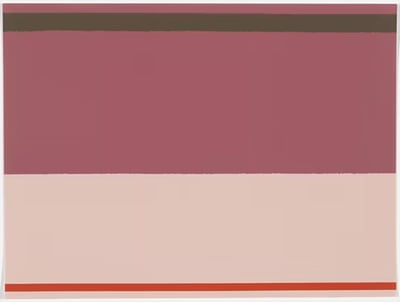
Kenneth Noland
Untitled from The New York Collection for Stockholm, 1973
Limited Edition Print
Screen-print
GBP 1,800

Karel Appel
Untitled (Colorful Figure), 1998
Drawing / Watercolor
Pastel
EUR 7,500

Zao Wou-Ki
sonnets de Shakespeare II, 1994
Limited Edition Print
Etching
EUR 2,800

Zao Wou-Ki
Sonnets de Shakespeare I, 1994
Limited Edition Print
Etching
EUR 2,800
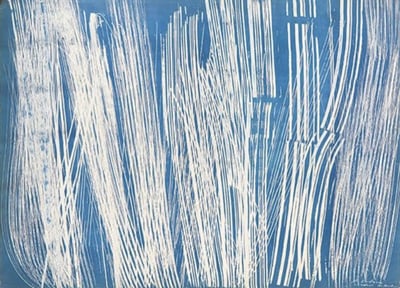
Hans Hartung
G 1970-21, 1970
Limited Edition Print
Etching
EUR 6,500

Idris Khan
I Thought We Had More Time, 2022
Limited Edition Print
Archival Print
GBP 1,850

Idris Khan
Death of Painting, 2014
Limited Edition Print
Lithograph
GBP 3,000
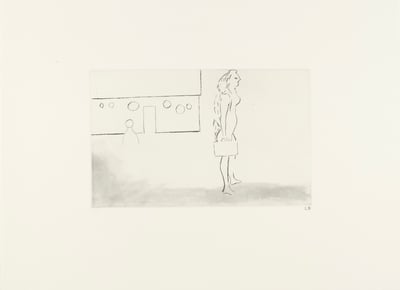
Louise Bourgeois
Autobiographical Series 13, 1994
Limited Edition Print
Etching
EUR 6,750
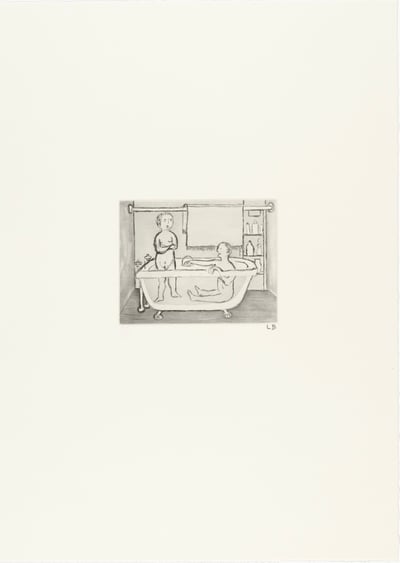
Louise Bourgeois
Autobiographical Series 10, 1994
Limited Edition Print
Etching
EUR 6,750
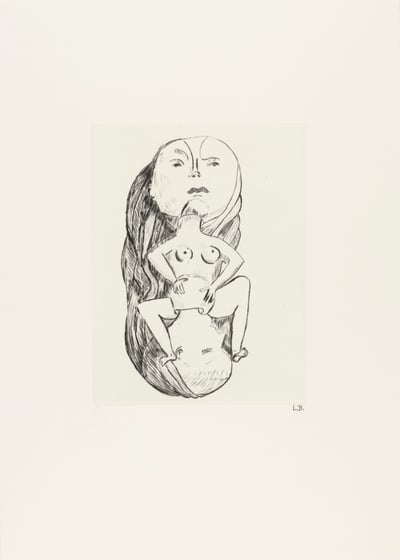
Louise Bourgeois
Autobiographical Series 9, 1994
Limited Edition Print
Etching
EUR 6,750
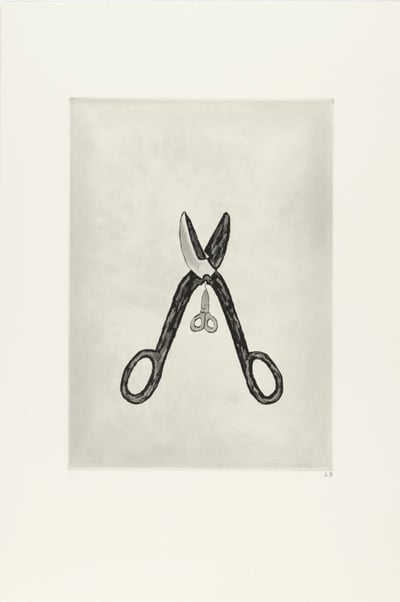
Louise Bourgeois
Autobiographical Series 1, 1994
Limited Edition Print
Etching
EUR 7,200
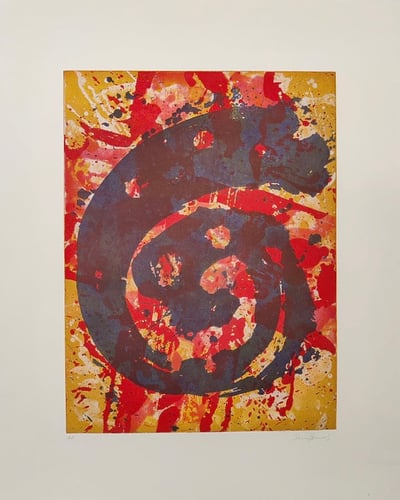
Sam Francis
Mehrfarbige Spirale, 1970
Limited Edition Print
Etching and Aquatint
USD 5,250
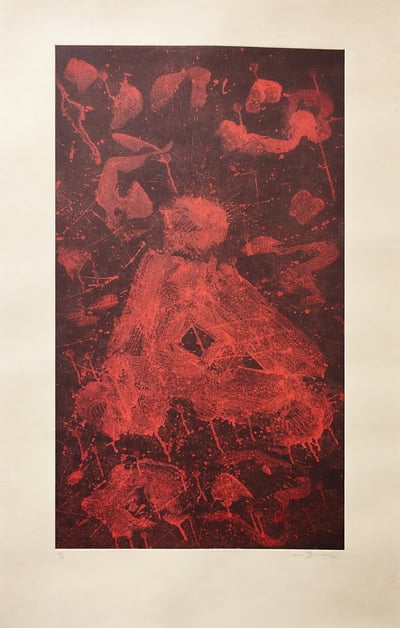
Sam Francis
Untitled (SFE-021), 1984
Limited Edition Print
Aquatint
USD 5,250

Lucio Fontana
Untitled from The International Avant-Garde (volume I), 1962
Limited Edition Print
Mixed Media
USD 8,150
Related Articles

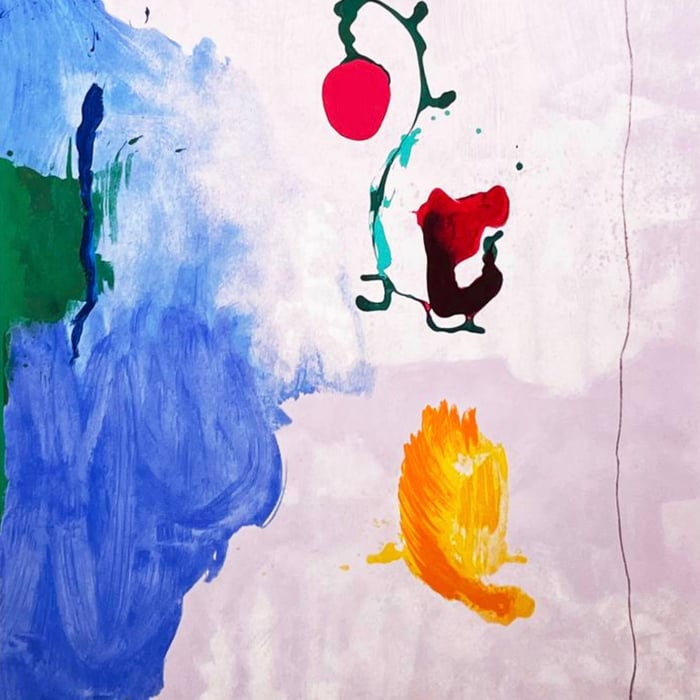
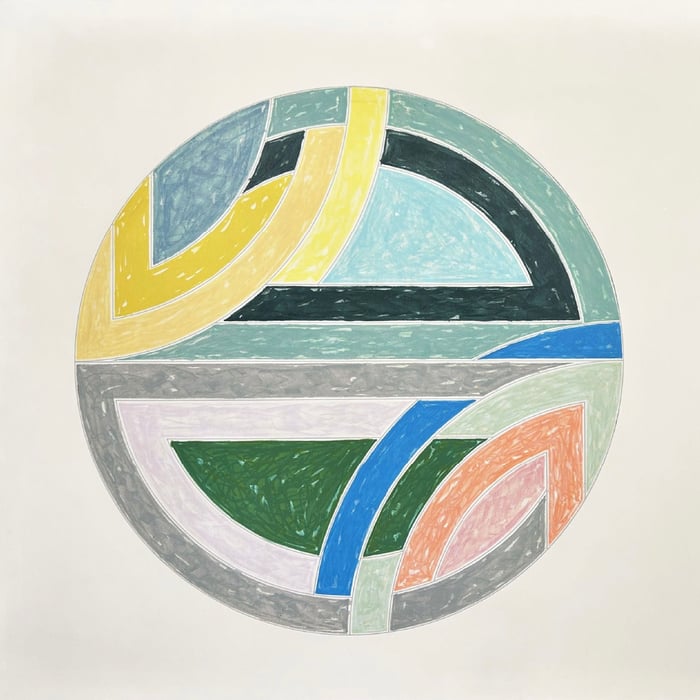
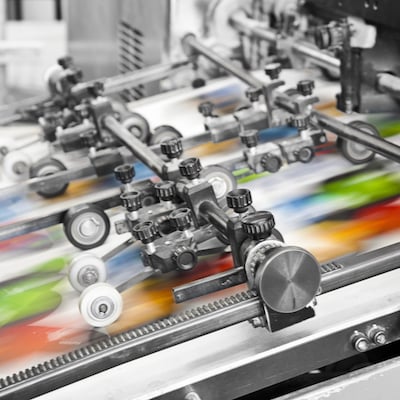
Offset lithography is a printing technique where the inked image is first transferred (offset) from a plate to a rubber blanket and then to the printing surface. This method combines the lithographic process, which relies on the repulsion of water and oil, to keep non-printing areas ink-free by attracting a water-based film. Offset lithography was originally developed to reduce costs in reproducing artwork and is widely used for high-volume printing due to its efficiency and ability to produce sharp, consistent images.

Massurrealism is a portmanteau word coined by American artist James Seehafer in 1992. He observed a trend among postmodern artists who blended themes and aesthetic styles with mass media, including elements of pop art. Massurrealism is a development of surrealism that emphasizes the technological effects on the imagery of contemporary surrealism. The key difference between massurrealism and surrealism is that the latter was founded in Europe at the beginning of the 20th century, while massurrealism is rooted in the influence of modern technology and media.

Chinese Contemporary Art is marked by a wide range of styles and experimental approaches. In the 1980s, avant-garde exhibitions were often shut down by government officials. The 1990s saw the rise of political pop and cynical realism, while China's One-Child Policy influenced artists to explore the individual as a subject matter.
Can't find your Answer?
Thank you! Your question has been sent — we'll get back to you shortly.
