
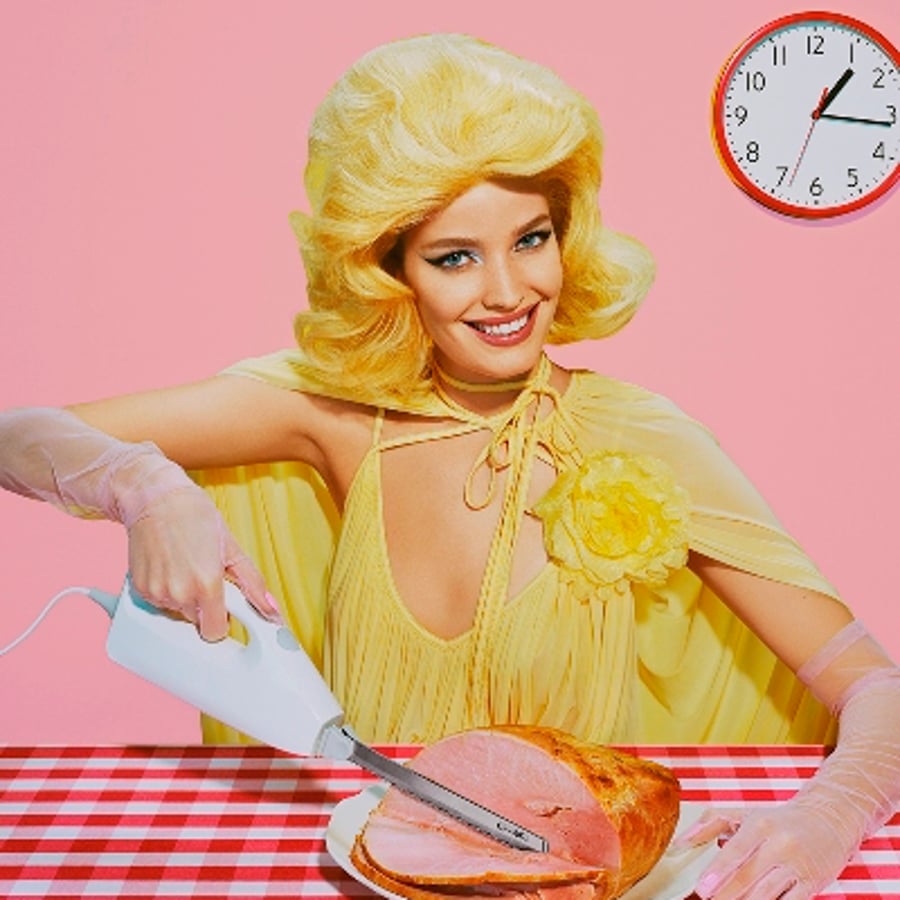
What is contemporary art?
- Show All
- Established
- Discoveries
- Show All
Artworks Related to Contemporary Art
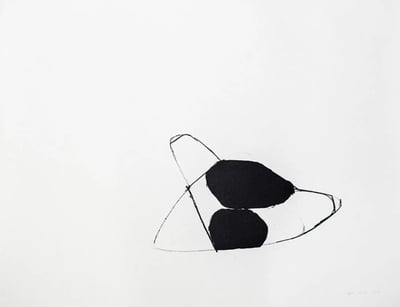
Joel Shapiro
Untitled (3), 1979
Limited Edition Print
Lithograph
USD 1,990
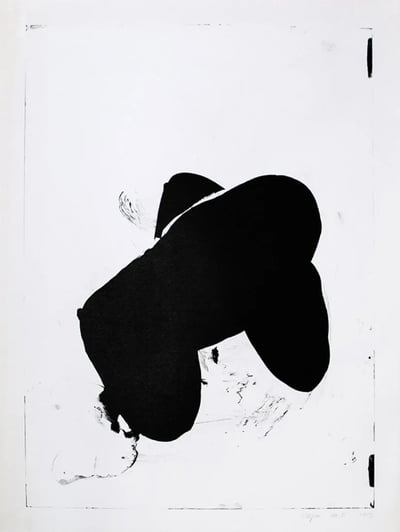
Joel Shapiro
Untitled (2), 1979
Limited Edition Print
Lithograph
Currently Not Available

Rudolf Polanszky
Untitled, 1980s
Drawing / Watercolor
Mixed Media
EUR 25,000 - 30,000

Thomas Ruff
Q.i.C., 2021
Limited Edition Print
Mixed Media
EUR 1,200

Bert Stern
Lolita (Stanley Kubrick), 2010
Photography
Inkjet print
EUR 2,490
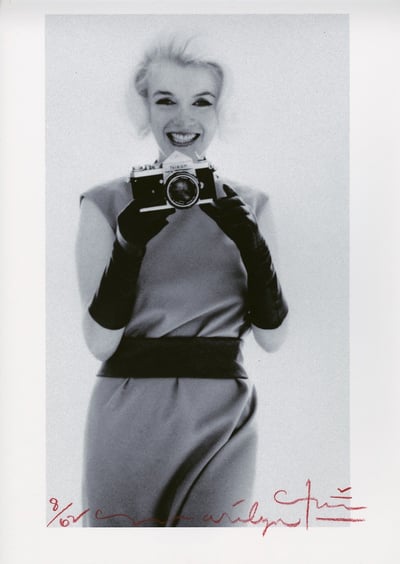
Bert Stern
Marilyn with Bert's Nikon, 2011
Photography
Inkjet print
EUR 2,490
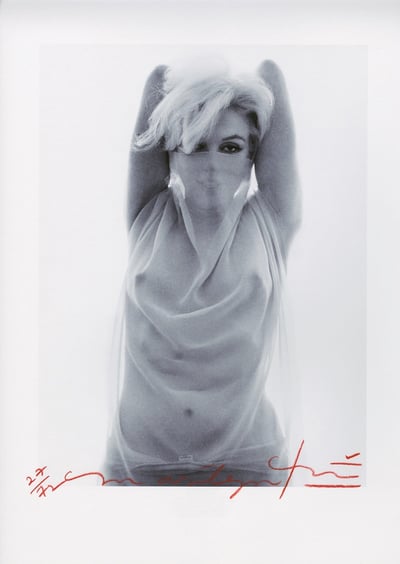
Bert Stern
Marilyn Arabian, 2011
Photography
Inkjet print
EUR 2,490
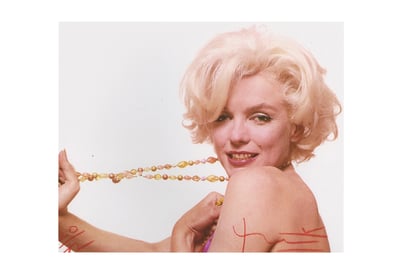
Bert Stern
Marilyn stretching the jewelry, 2010
Photography
Inkjet print
EUR 2,490
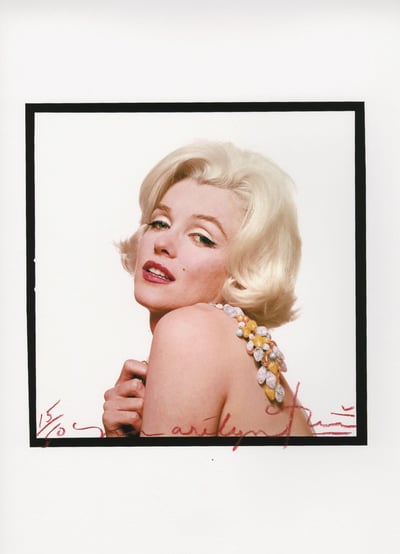
Bert Stern
Marilyn jewels down the back, 2011
Photography
Inkjet print
EUR 2,490
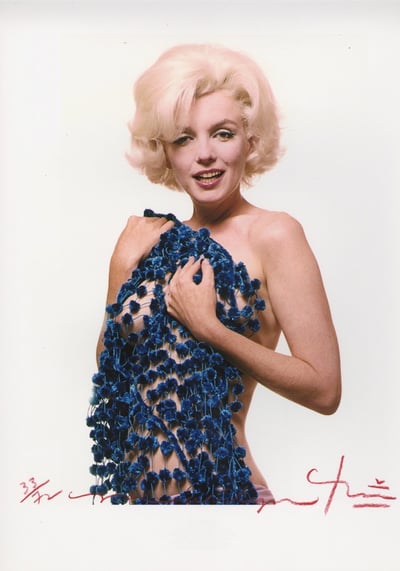
Bert Stern
Marilyn et l'écharpe chenille, 2011
Photography
Inkjet print
EUR 2,490
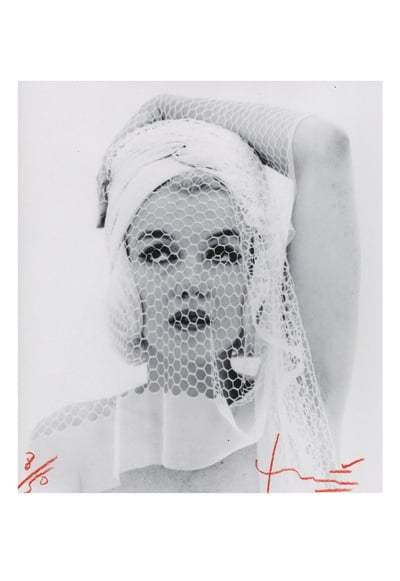
Bert Stern
Marilyn looking up in the wedding veil, 2012
Photography
Inkjet print
EUR 2,490

Bert Stern
Marilyn in the wedding veil, 2012
Photography
Inkjet print
EUR 2,490

Bert Stern
Marilyn in Vogue (1962), 2011
Photography
Inkjet print
EUR 2,900
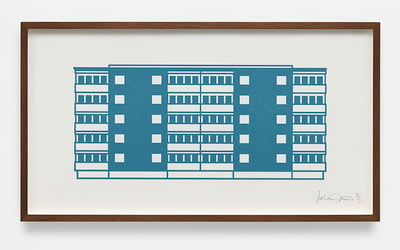
Julian Opie
Apartment 1, 2021
Limited Edition Print
Woodcut
USD 1,950

Julian Opie
French Village 1, 2021
Limited Edition Print
Inkjet print
USD 12,000
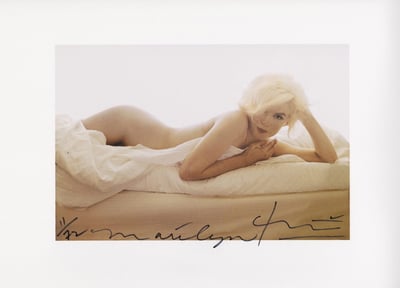
Bert Stern
Marilyn new baby on the bed, 2009
Photography
Inkjet print
EUR 2,900
Related Articles



Transavanguardia is the Italian version of Neo-Expressionism, referring to an art movement that emerged in Italy and other parts of Western Europe during the 1970s and 1980s. The term translates to beyond the avant-garde. Transavanguardia arose as a reaction against the dominance of conceptual art, reintroducing emotion and reviving painting as a primary medium. The movement marked a return to mythic imagery and figurative art, celebrating a rediscovery of traditional forms and themes in a contemporary context.

The Bay Area Figurative Movement, which also goes by the names Bay Area Figurative School, Bay Area Figurative Art, or Bay Area Figuration, came to existence in San-Francisco Bay Area. This was in the mid-20th century, when a group of artists from the area stopped working on the then popular Abstract Expressionism for a preference to figuration in painting. The movement lasted a total of two decades during the 1950's and 1960's.
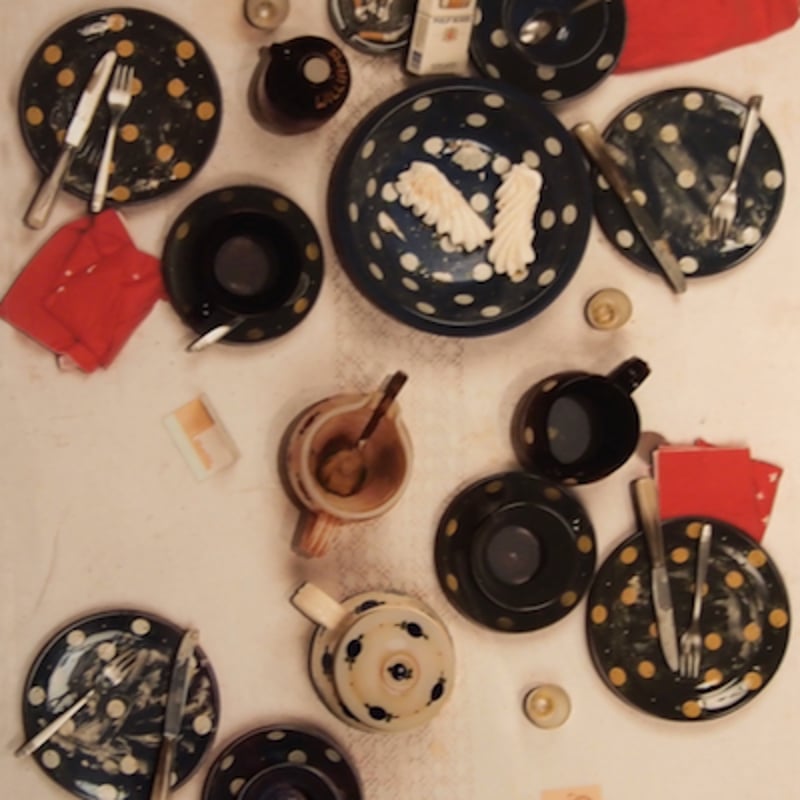
Nouveau Réalisme is an artistic movement founded in 1960 by art critic Pierre Restany and painter Yves Klein during a collective exhibition at a gallery in Milan. Restany wrote the original manifesto in April 1960, proclaiming the movement. In October of that year, nine artists, including Martial Raysse, Yves Klein, Daniel Spoerri, Jean Tinguely, Arman, Pierre Restany, and three Ultra-Lettrists—Jacques de la Villeglé, François Dufrêne, and Raymond Hains—signed the declaration. In 1961, the movement expanded to include Mimmo Rotella, Niki de Saint Phalle, Gérard Deschamps, and César. The movement emphasized a return to reality in art, often incorporating everyday objects and exploring the boundaries between art and life.
Can't find your Answer?
Thank you! Your question has been sent — we'll get back to you shortly.
