

What is late modernism?
- Show All
- Established
- Discoveries
- Show All
Artworks Related to Late modernism

Joan Miró
One plate, from Série III, 1952-53
Limited Edition Print
Etching and Aquatint
USD 4,690

David Hockney
Ojai Festival, 1981
Limited Edition Print
Lithograph
Inquire For Price
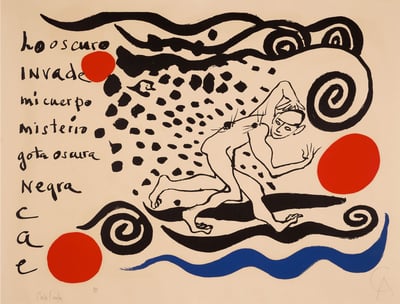
Alexander Calder
Lo oscuro invade, 1970
Limited Edition Print
Lithograph
USD 1,600

Alexander Calder
Le Chevalier, 1968
Limited Edition Print
Lithograph
USD 3,750
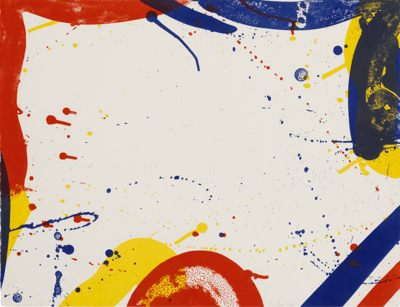
Sam Francis
Untitled (from Portfolio 9), 1967
Limited Edition Print
Lithograph
USD 6,000

Robert Mangold
Untitled II, 2007
Limited Edition Print
Etching and Aquatint
USD 6,000

Joan Mitchell
Champs - Black, Grey and Green, 1991
Limited Edition Print
Lithograph
USD 17,000

Joan Mitchell
The New York School, 1960
Limited Edition Print
Screen-print
USD 12,000

Joan Miró
Series I, vert sur rouge, 1961
Limited Edition Print
Lithograph
USD 12,000

Joan Miró
Obra Inedita Recent (plate IX), 1964
Limited Edition Print
Lithograph
USD 6,000

Joan Miró
Cahiers d'Art (Dupin 14-15), 1934
Limited Edition Print
Mixed Media
USD 10,000

Henry Moore
Seated Nude, 1979
Limited Edition Print
Mixed Media
USD 2,800

Ellsworth Kelly
Blue, Red-Orange, Green, 1970-1971
Limited Edition Print
Lithograph
USD 23,000
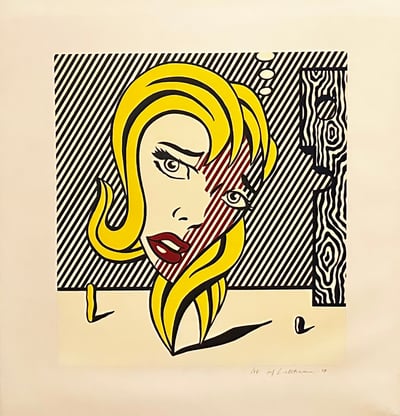
Roy Lichtenstein
Blonde, 1978
Limited Edition Print
Lithograph
USD 70,000 - 80,000

Agnes Martin
Untitled (from Paintings and Drawings: 1974-1990), 1991
Limited Edition Print
Lithograph
EUR 8,600
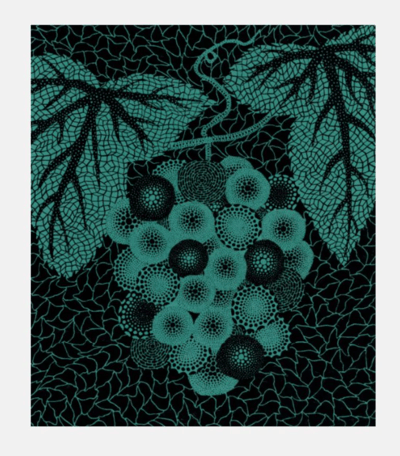
Yayoi Kusama
Grapes (Kusama 29), 1983
Limited Edition Print
Screen-print
GBP 30,000 - 40,000
Related Articles


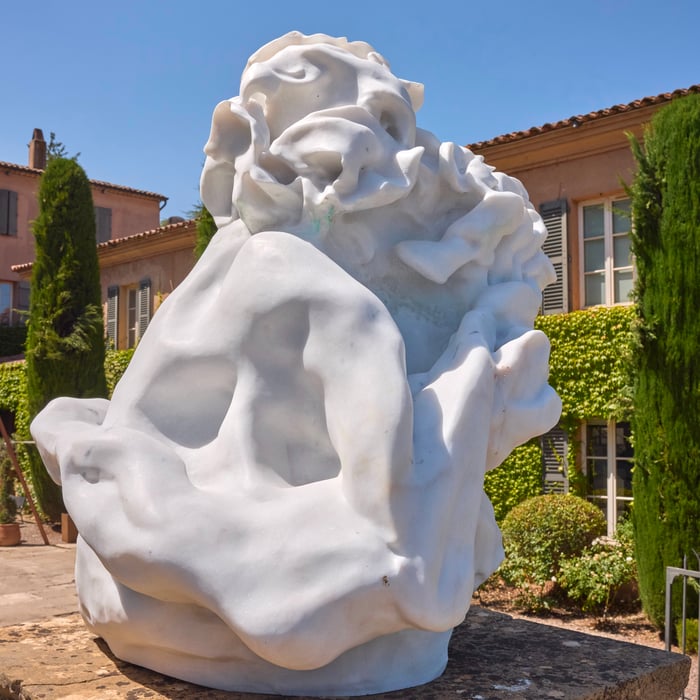

Digital art refers to artistic practices or works that utilize digital technology as an essential component of both the creation and presentation process. Since the 1970s, various terms like multimedia and computer art have been used to describe this practice. Digital art is a subset of the broader category known as new media art, which has brought significant changes to the art world. Technology has transformed traditional forms of painting, drawing, sound/music, and sculpture into new digital formats, expanding the possibilities of artistic expression.

Site-Specific Art is a form of artwork created to exist in a particular location, with the artist considering the site as an integral part of the creative process. Robert Irwin was a key figure in promoting this art form in California. Site-Specific Art emerged as a reaction against modernist objects, which were often portable, commodified, and confined to museum spaces. In contrast, Site-Specific Art is inherently tied to its location, challenging the traditional notions of art as a transportable and marketable commodity.
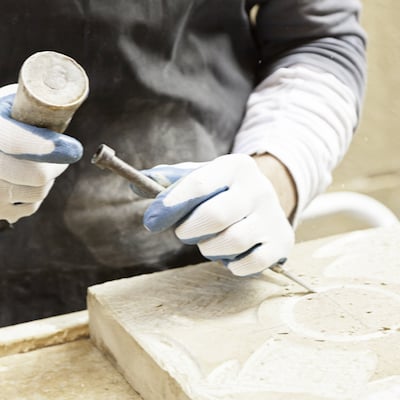
Stone is a hard, natural material found in the ground and used for various artistic purposes, such as carving statues, creating jewelry, and assembling mosaics. Artists and rock collectors often seek out interesting stones to cut, polish, and incorporate into their artwork.
Can't find your Answer?
Thank you! Your question has been sent — we'll get back to you shortly.
