

What is late modernism?
- Show All
- Established
- Discoveries
- Show All
Artworks Related to Late modernism

Andy Warhol
Jessica Lange, 1979
Drawing / Watercolor
Mixed Media
EUR 15,000

Zao Wou-Ki
sonnets de Shakespeare II, 1994
Limited Edition Print
Etching
EUR 2,800

Zao Wou-Ki
Sonnets de Shakespeare I, 1994
Limited Edition Print
Etching
EUR 2,800
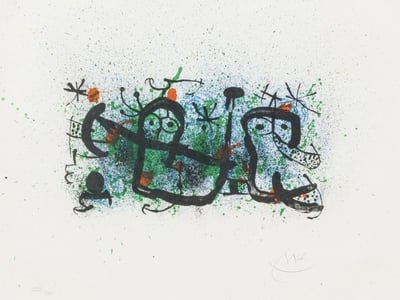
Joan Miró
Ma de proverbis - M. 673, 1970
Limited Edition Print
Lithograph
EUR 7,500

Asger Jorn
Sans titre, 1967
Limited Edition Print
Lithograph
EUR 2,550
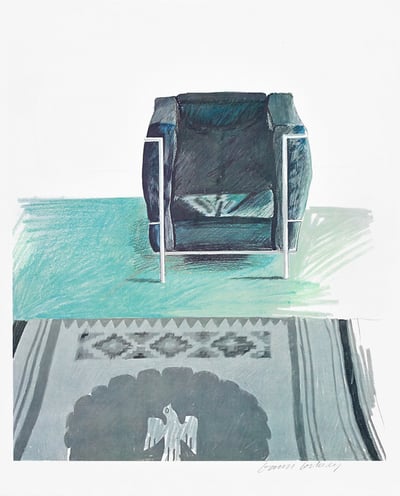
David Hockney
Corbusier Chair and Rug, 1969
Limited Edition Print
Offset Print
GBP 12,500 - 16,200
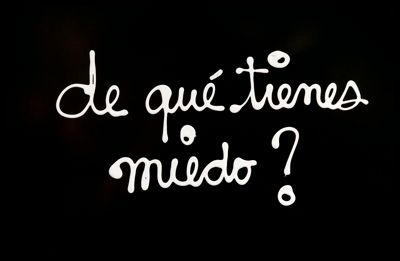
Ben Vautier
De qué tienes miedo?, 2006
Limited Edition Print
Screen-print
EUR 2,500

Ben Vautier
Es difícil amar, 2006
Limited Edition Print
Screen-print
EUR 2,500

Ben Vautier
Estoy inquieto, 2006
Limited Edition Print
Screen-print
EUR 2,500
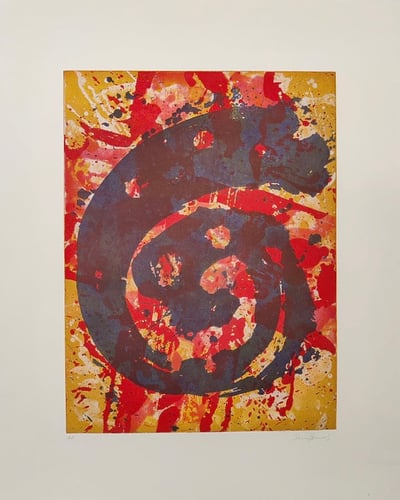
Sam Francis
Mehrfarbige Spirale, 1970
Limited Edition Print
Etching and Aquatint
USD 5,250
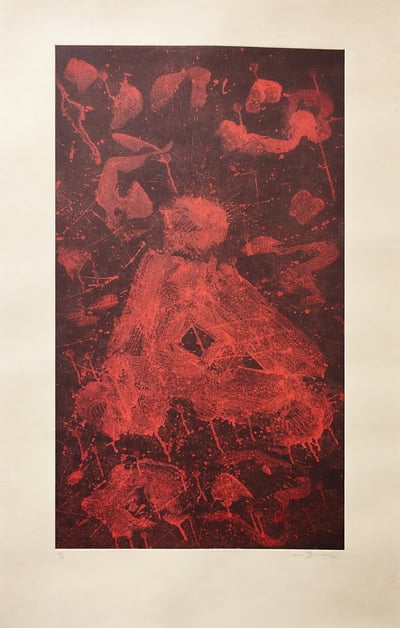
Sam Francis
Untitled (SFE-021), 1984
Limited Edition Print
Aquatint
USD 5,250

Andy Warhol
Cow, II.12A, 1971
Limited Edition Print
Silkscreen
USD 9,350
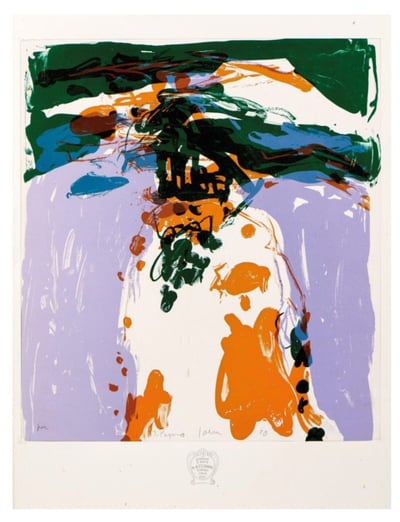
Asger Jorn
Lithographie couleur, 1970
Limited Edition Print
Lithograph
EUR 1,200
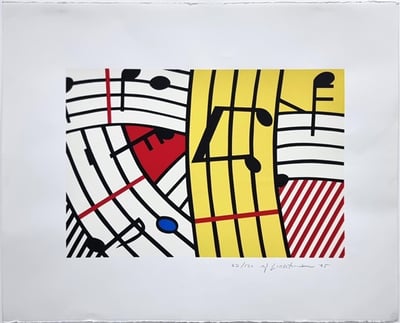
Roy Lichtenstein
Composition IV, 1995
Limited Edition Print
Screen-print
Inquire For Price

Alexander Calder
Os et Serpent, 1969
Limited Edition Print
Lithograph
USD 8,400

Alexander Calder
Derriere Le Miroir, 1975
Limited Edition Print
Lithograph
USD 6,000
Related Articles


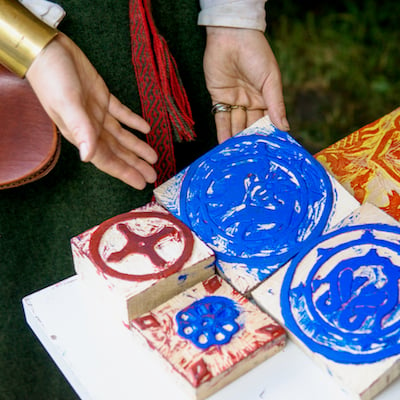
Woodcut is a printing technique where an image is carved into the surface of a woodblock using gouges, with the remaining flat surface holding the ink for printing. The areas cut away by the artist do not carry ink, while the uncut areas do, producing the desired print. The carving follows the wood's grain, unlike wood engraving, where the block is cut across the end-grain. Ink is applied to the surface with a roller, ensuring only the flat, uncarved areas receive ink, leaving the recessed, non-printing areas clean.

Textile refers to a flexible material made by weaving, felting, crocheting, knitting, or knotting long strands of natural or synthetic yarn or thread. Textile artists often create their own materials or use selected textiles in fabric art compositions, incorporating a wide range of textures and patterns.

Situationism is a psychological theory that gained prominence in 1968, following the publication of a monograph by Walter Mischel that sparked the Person-situation debate. This theory argues that behavior is primarily influenced by external situational factors rather than internal traits or motivations, challenging the ideas of trait theorists like Raymond B. Cattell and Hans Eysenck, who emphasized stable personality traits. It is important not to confuse this with the Situationist International movement, an artistic and political movement founded by Asger Jorn, which focused on the critique of modern consumer society and the influence of environments on human behavior.
Can't find your Answer?
Thank you! Your question has been sent — we'll get back to you shortly.
