
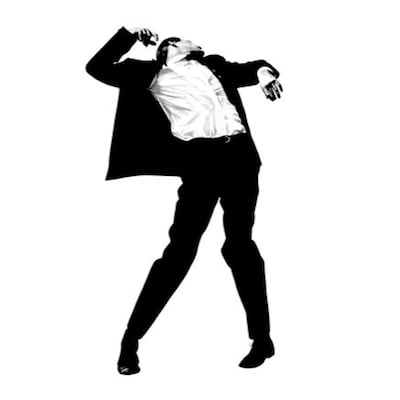
What is Performance Art?
- Show All
- Established
- Discoveries
- Show All
Artworks Related to Performance art

Otto Muehl
Prinz Charles, 1967
Limited Edition Print
Silkscreen
Currently Not Available

Jim Dine
Spoon, 1973
Limited Edition Print
Lithograph
USD 1,990

Jim Dine
Awl, 1973
Limited Edition Print
Lithograph
Inquire For Price
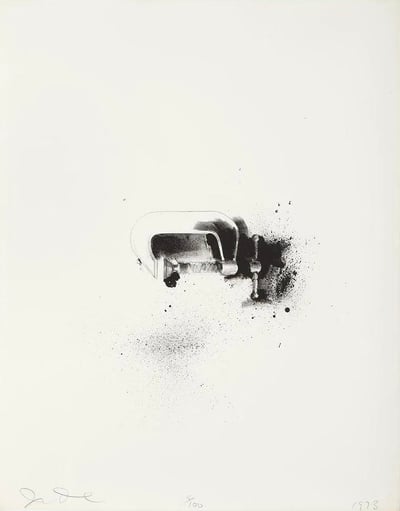
Jim Dine
C-Clamp, 1973
Limited Edition Print
Lithograph
Inquire For Price

Jim Dine
Pliers and Adjustable Wrench, 1973
Limited Edition Print
Lithograph
Inquire For Price

Jim Dine
The Robe goes to Town, 1983
Limited Edition Print
Mixed Media
USD 4,850
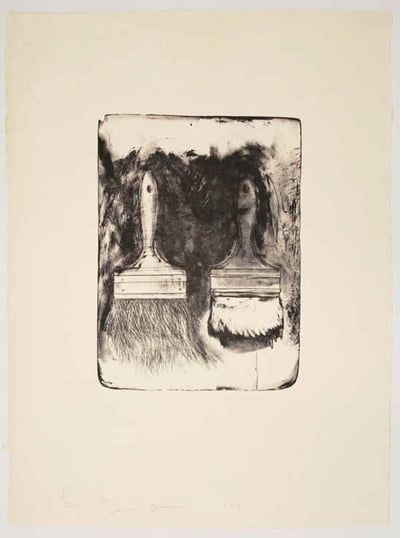
Jim Dine
Brush Drawn on Stones #5, 2010
Limited Edition Print
Lithograph
USD 4,000

Giulio Paolini
Senza titolo, 1973
Drawing / Watercolor
Collage
EUR 23,680
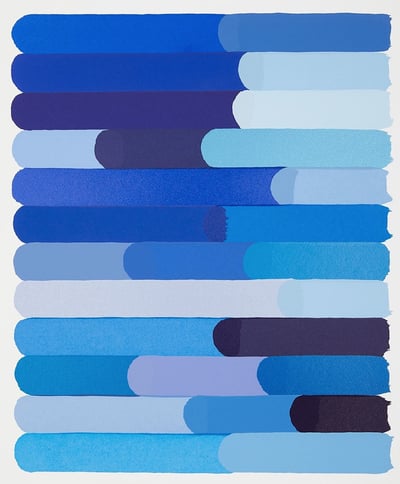
Martin Creed
Work No. 3167, 2018
Limited Edition Print
Screen-print
Currently Not Available

Vanessa Beecroft
Performances, 2000
Limited Edition Print
Offset Print
Currently Not Available

Jean Tinguely
Roto Zaza No. 1, 1975
Limited Edition Print
Screen-print
Currently Not Available

Jean-Michel Folon
Je vous ecris de Coney Island , 1986
Limited Edition Print
Silkscreen
USD 990

Jean-Michel Folon
Je vous ecris de New York , 1986
Limited Edition Print
Silkscreen
USD 990

Martin Kippenberger
Eierman, 1996
Limited Edition Print
Etching and Aquatint
Currently Not Available

Robert Indiana
Susan B. Anthony - Mother of us all portfolio, 1977
Limited Edition Print
Lithograph
USD 1,350

Robert Indiana
Lilian Russell - Mother of us all portfolio, 1977
Limited Edition Print
Lithograph
USD 1,350
Related Articles
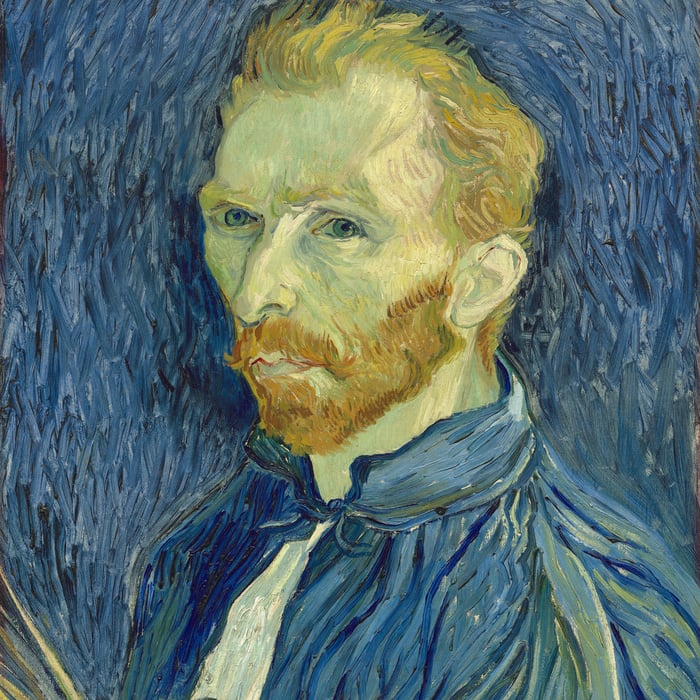

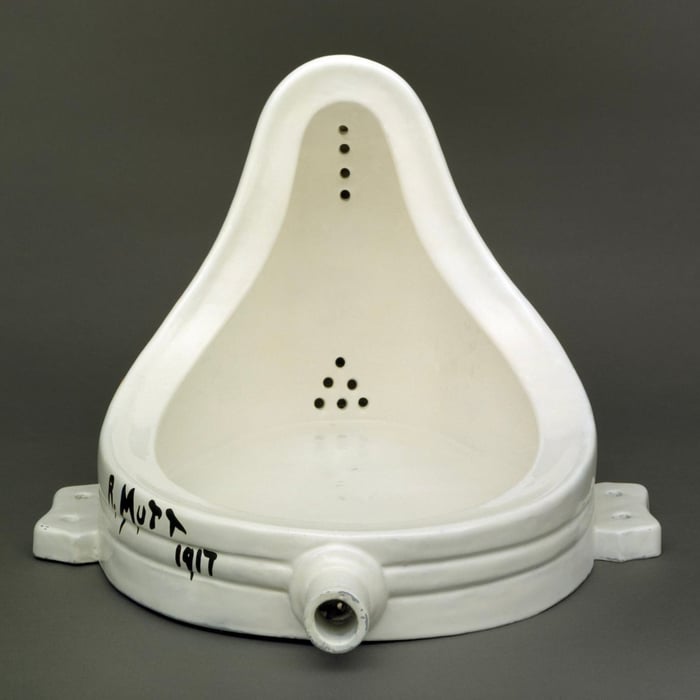
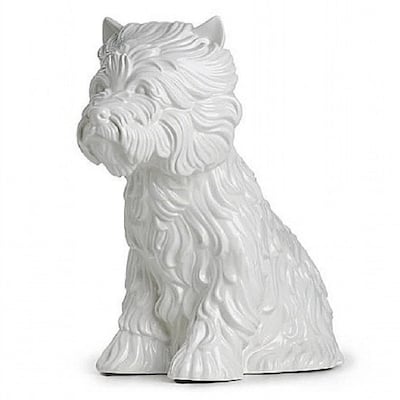
Art Fabrication is a process used in the production of technically challenging or large-scale artworks. It occurs when a designer or artist is unable to fully realize their concept or design on their own and seeks assistance from a fabrication studio. These studios are equipped with specialized machinery, resources, and skilled labor necessary to execute complex art projects to a high standard.
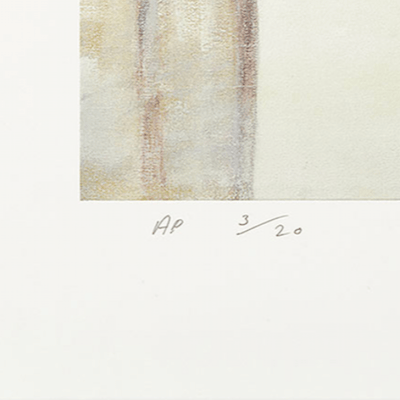
An artist proof traditionally refers to a print impression taken during the printing process to evaluate the current state of the artwork as the artist works on the plate. These proofs often show incomplete images and are sometimes called trial impressions or working proofs. However, in modern practice, an artist proof typically refers to an impression of the finished work that is identical to the numbered edition copies but is set aside for the artist's personal use. Artist proofs are usually marked A.P. and may be considered more valuable by collectors due to their limited availability.
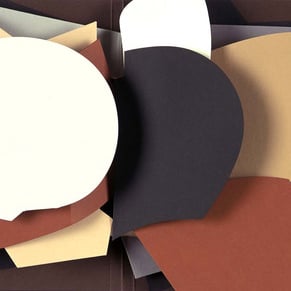
New Generation Sculpture was a movement started in the 1960s by a group of British artists. They experimented with unconventional forms, materials, and colors, creating sculptures that did not rely on traditional bases. Their work often featured plastic sheeting, fiberglass, and other industrial materials, which were fastened together and brightly painted.
Can't find your Answer?
Thank you! Your question has been sent — we'll get back to you shortly.
