
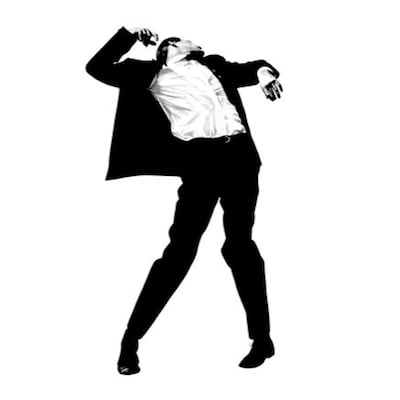
What is Performance Art?
- Show All
- Established
- Discoveries
- Show All
Artworks Related to Performance art

Yves Klein
Table Rose, 1961/1963
Sculpture / Object
Mixed Media
EUR 22,500

Robert Whitman
Untitled (Red Sphere in Cityscape), 1973
Limited Edition Print
Silkscreen
EUR 1,700
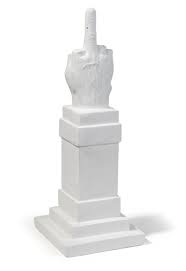
Maurizio Cattelan
L.O.V.E. (1:28) (White), 2010
Sculpture / Object
Mixed Media
Currently Not Available

Red Grooms
Charlie Chaplin, 1986
Limited Edition Print
Lithograph
USD 6,350
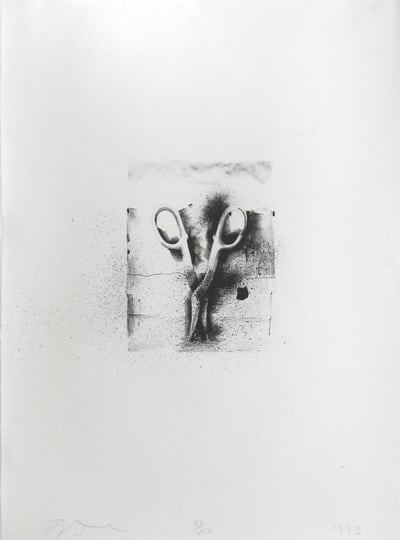
Jim Dine
Aus, 1973
Limited Edition Print
Lithograph
Inquire For Price

Dieter Roth
Stamp images, 1968
Limited Edition Print
Mixed Media
EUR 1,350
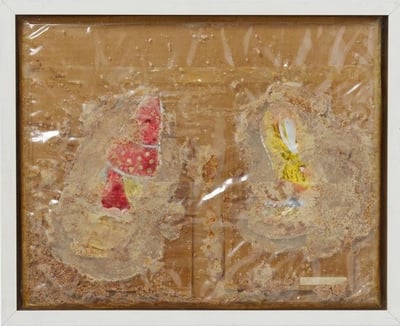
Dieter Roth
Lauf der Welt, 1970
Limited Edition Print
Mixed Media
EUR 3,000

Claes Oldenburg
Ice cream desserts - Praline (A. & P. 162), 1976
Limited Edition Print
Etching and Aquatint
Inquire For Price
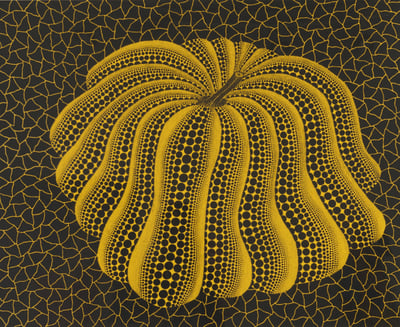
Yayoi Kusama
Pumpkin, 1993
Limited Edition Print
Screen-print
Currently Not Available

Olivier Mosset
Banana saddle ( red ), 2019
Sculpture / Object
Mixed Media
EUR 3,500
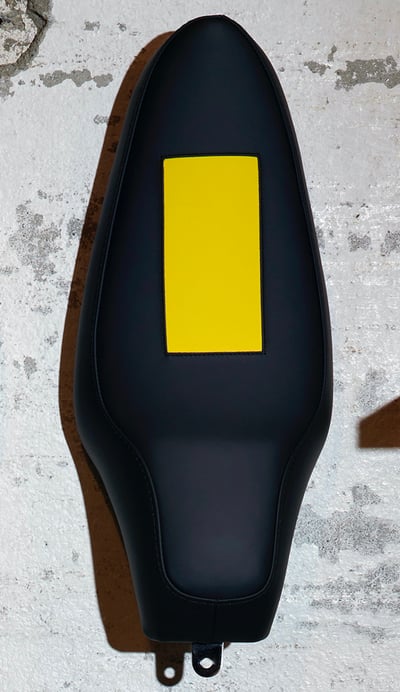
Olivier Mosset
Banana saddle (yellow), 2019
Sculpture / Object
Mixed Media
EUR 3,500

Olivier Mosset
Banana saddle (blue), 2019
Sculpture / Object
Mixed Media
EUR 3,500

Olivier Mosset
Untitled (Solo & Pillon saddle), 2019
Sculpture / Object
Mixed Media
EUR 3,500

John Armleder
Étude, 1966
Drawing / Watercolor
Ink
EUR 4,000

Joseph Beuys
Beuys for Lothar, 1973
Photography
Photograph
EUR 5,500

Red Grooms
Fran Tarkenton, 1979
Sculpture / Object
Mixed Media
Inquire For Price
Related Articles
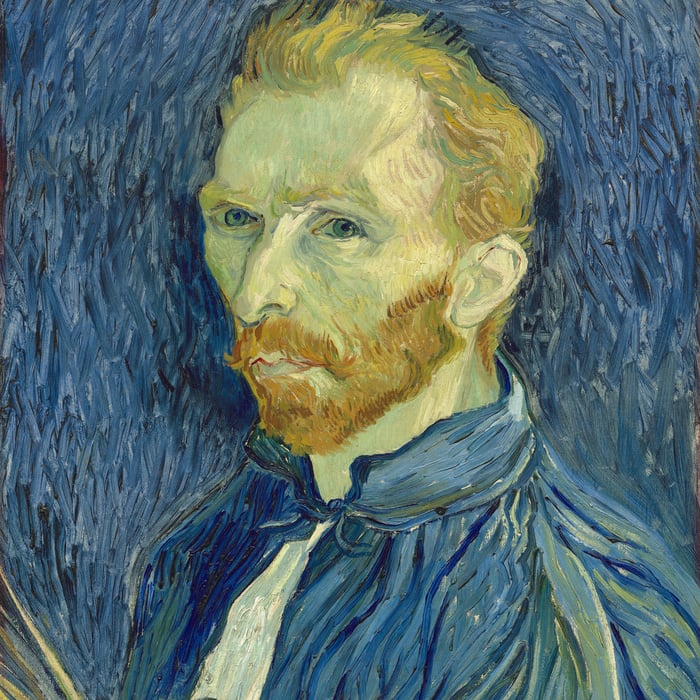


Queer Aesthetics refers to an art movement that emerged in the 1980s, focusing on themes of homosexuality, lesbianism, and broader issues of identity and gender. This movement gained momentum in the context of the AIDS crisis and the feminist movement, challenging traditional representations of sexuality and gender. Queer Aesthetics often explores the fluidity of gender and identity, as seen in the works of artists like Nan Goldin, who is known for her photography of individuals with ambiguous or non-conforming gender presentations.
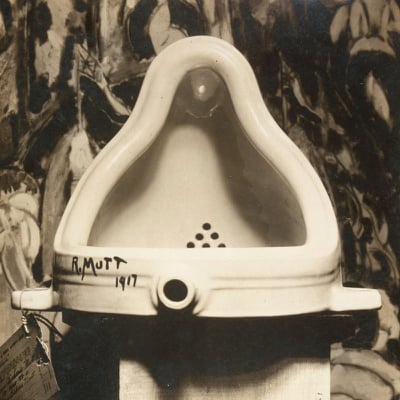
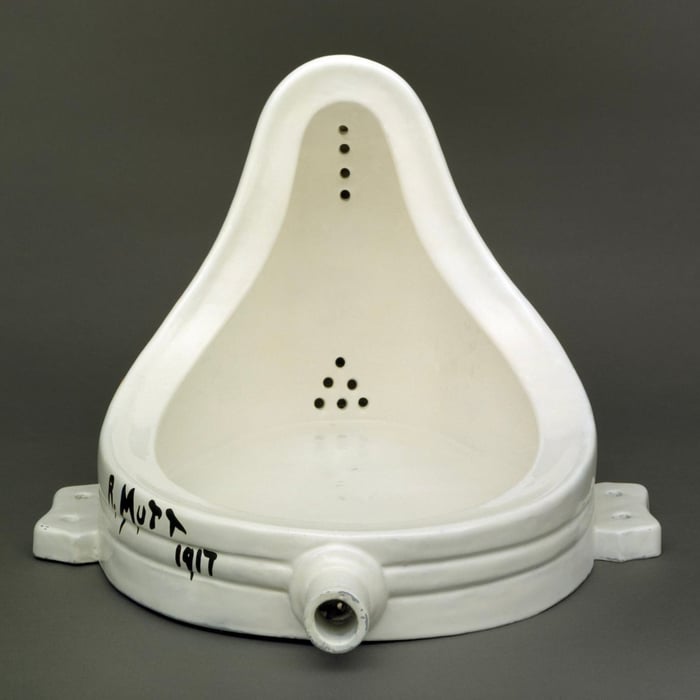
A found object is a term used to describe a man-made or natural object, or a fragment of one, that an artist discovers or purchases and keeps for inspiration or as a work of art. The artist may also modify the object or incorporate it into a collage or assemblage, transforming it into a new piece of art.
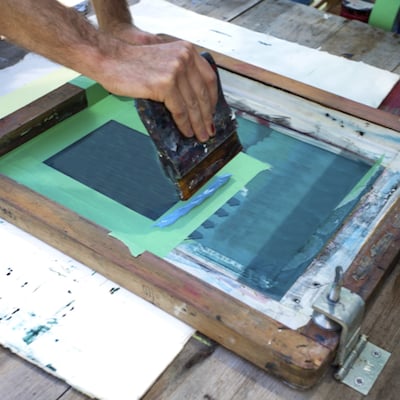
Serigraph is a printmaking process that uses silk screen techniques to create an image. The image is digitally separated into individual colors, each of which is assigned to a separate silk screen. These screens are then used to apply each color by hand, layer by layer, to replicate the original artwork, often based on an oil painting.
Can't find your Answer?
Thank you! Your question has been sent — we'll get back to you shortly.
