
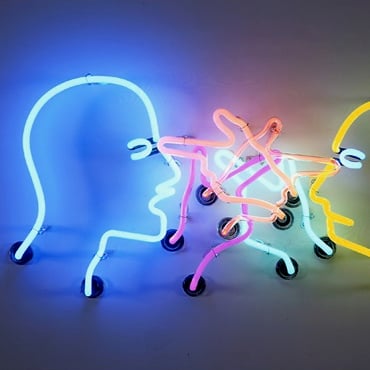
What is Process Art?
- Show All
- Established
- Discoveries
- Show All
Artworks Related to Process Art

Robert Motherwell
Harvest with two white stripes, 1973
Limited Edition Print
Lithograph
Inquire For Price

Donald Baechler
The brown rose, 2015
Limited Edition Print
Silkscreen
Currently Not Available

Donald Sultan
Untitled from Visual Poetics, 1998
Limited Edition Print
Serigraph
Inquire For Price

Louise Nevelson
Nursery rhyme, 1966
Limited Edition Print
Serigraph
Inquire For Price

Louise Nevelson
Dark song, 1966
Limited Edition Print
Serigraph
Currently Not Available

Joseph Beuys
Beuys for Lothar, 1973
Photography
Photograph
EUR 5,500
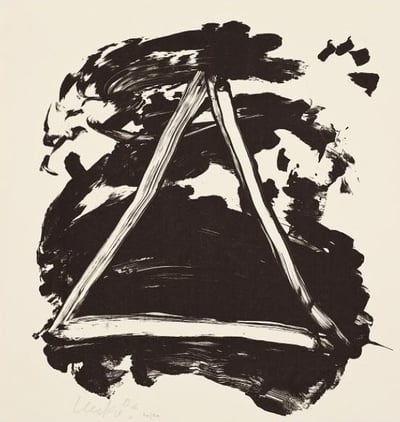
Gunther Uecker
Hiob Seite 24
Limited Edition Print
Silkscreen
Currently Not Available

Gunther Uecker
Hiob Seite 16
Limited Edition Print
Silkscreen
EUR 1,800
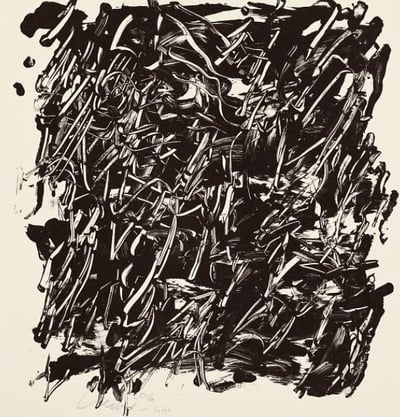
Gunther Uecker
Hiob Seite 25
Limited Edition Print
Silkscreen
Currently Not Available
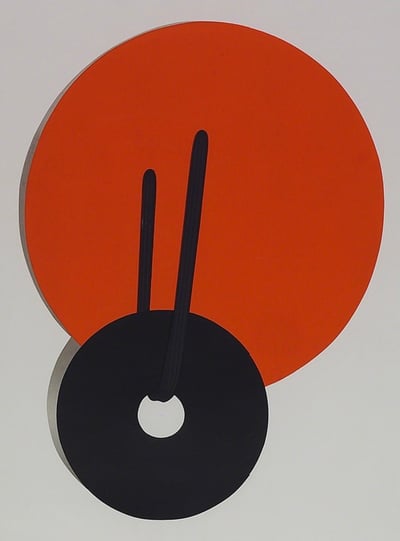
Lygia Pape
Untiltled, 1994
Limited Edition Print
Serigraph
Currently Not Available
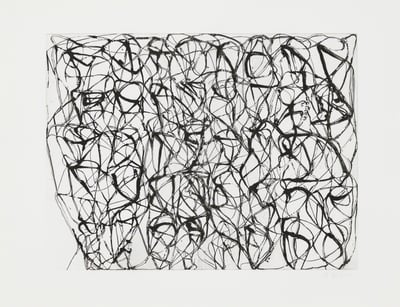
Brice Marden
Cold Mountain, 1991
Limited Edition Print
Etching and Aquatint
Currently Not Available

Piero Manzoni
Impronta del pollice sinistro, 1960
Limited Edition Print
Lithograph
Currently Not Available

Helen Frankenthaler
Aerie, 2009
Limited Edition Print
Silkscreen
USD 25,900

Gunther Uecker
Ouroboros #12, 2018
Limited Edition Print
Sand
EUR 8,000

Gunther Uecker
Ouroboros #9, 2018
Limited Edition Print
Sand
EUR 8,000

Gunther Uecker
Ouroboros #7, 2018
Limited Edition Print
Sand
EUR 8,000
Related Articles
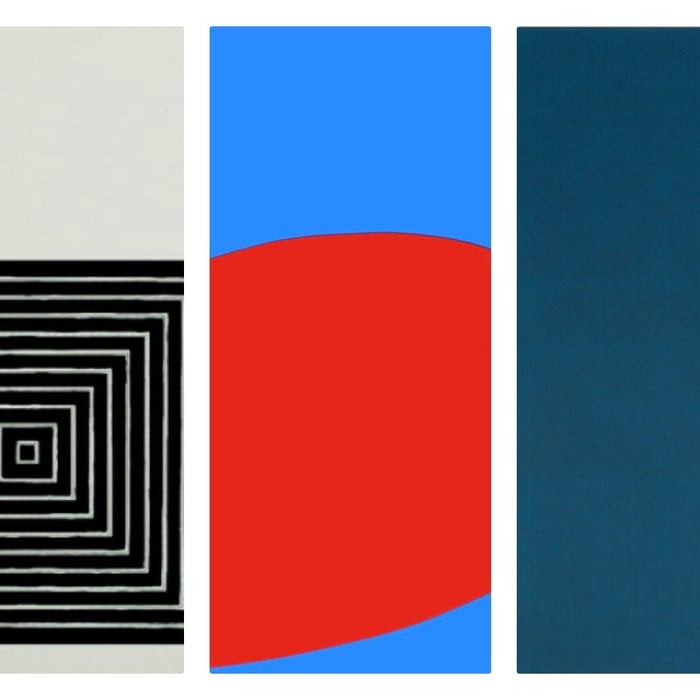
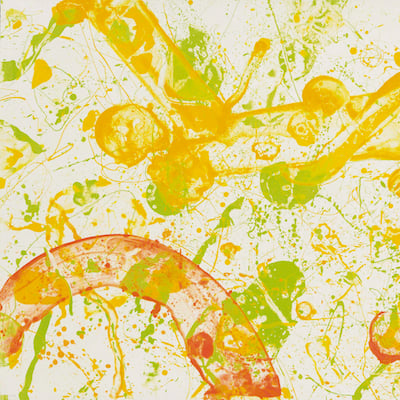
Tachisme is a French abstract painting style that gained popularity between 1940 and 1950, often seen as the European counterpart to Abstract Expressionism. However, there are stylistic differences between the two. Tachisme, which emerged from Art Informel, rejected geometric abstraction in favor of more intuitive and spontaneous expression. It was a reaction against the structured forms of Cubism and is closely related to Informalism. Tachisme emphasizes gestural brushwork, irregular forms, and a focus on the process of painting itself.

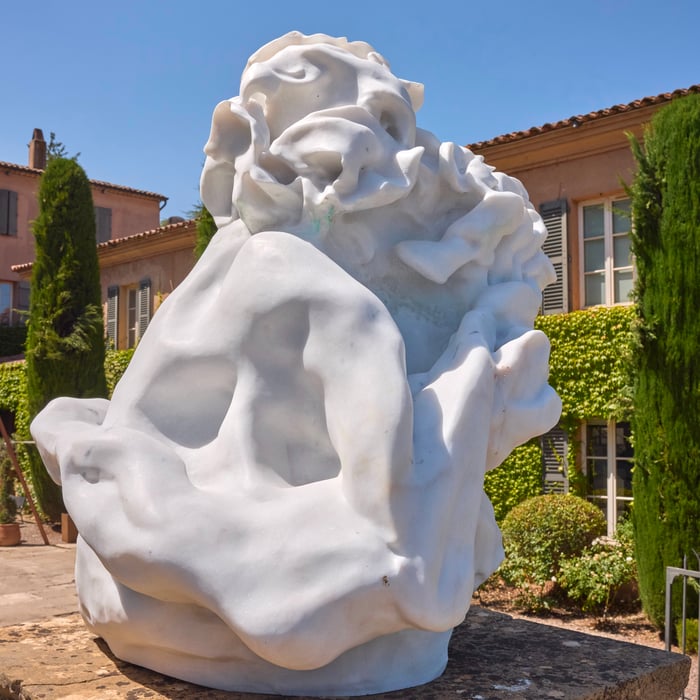
Patina is the distinctive greenish surface that bronze develops over time due to exposure to air and humidity. Artists can also apply chemicals to bronze to artificially create patina. Alternatively, bronze can be polished to reveal its natural rich gold color. Patina is not exclusive to bronze; it can also occur on other metals like copper and even on wood and stone, enhancing the material's character over time.
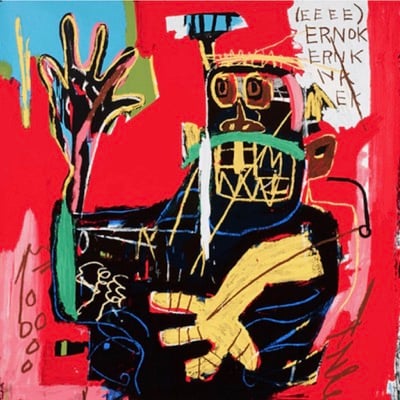
In 1981, Patti Astor opened the first art gallery in New York City's East Village, helping to launch the careers of various artists and musicians. The gallery started small but quickly gained popularity, contributing to the emergence of art movements such as Neo-Expressionism and Street Art in the area. The East Village became a hub for these new artistic expressions. However, the gallery closed in 1985 due to waning interest.
Can't find your Answer?
Thank you! Your question has been sent — we'll get back to you shortly.
