

United States
The contemporary art scene in the United States is a dynamic fusion of diverse traditions and avant-garde explorations, resonating across the global art spectrum. Institutions like the Museum of Modern Art in New York and the Los Angeles County Museum of Art are central to this discourse, spotlighting artists from different backgrounds and mediums. Notable figures such as Jeff Koons, known for his monumental public sculptures, and Kara Walker, recognized for her poignant silhouettes and murals, contribute to the vibrant US artistic landscape. Major events like Art Basel Miami further underline the country's role as a nexus of contemporary art. Dive into the robust and compelling art scene of the United States on Composition Gallery's website.
- Show All
- Established
- Discoveries
- Show All
Artworks Related to United States

Ross Bleckner
Untitled, 2001
Painting
Mixed Media
Inquire For Price
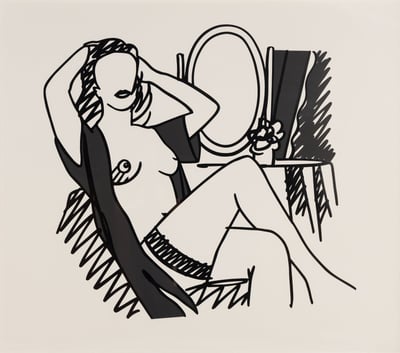
Tom Wesselmann
Nude and Mirror, 1990
Limited Edition Print
Screen-print
USD 12,000
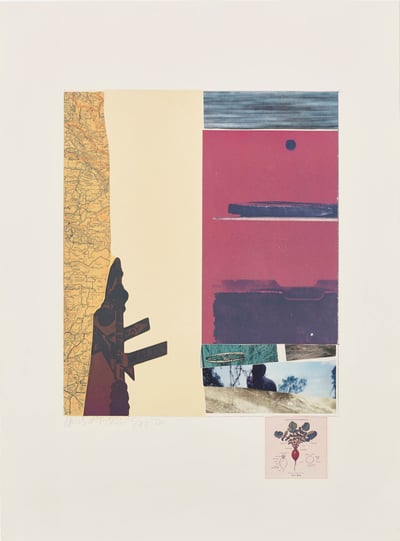
Robert Rauschenberg
XI (from Horsefeathers Thirteen), 1972
Limited Edition Print
Mixed Media
Inquire For Price

Tom Wesselmann
Helen Nude, 1981
Limited Edition Print
Screen-print
USD 10,000 - 12,000
Tom Wesselmann
Private Listing
Sculpture / Object
Mel Bochner
Private Listing
Limited Edition Print

Allan D'Arcangelo
Smoke Dreams, 1980
Limited Edition Print
Screen-print
Inquire For Price

Red Grooms
City of Chicago exhibition poster, 1968
Limited Edition Print
Lithograph
Inquire For Price

Julian Schnabel
Untitled, 1992-1999
Limited Edition Print
Inkjet print
EUR 1,100
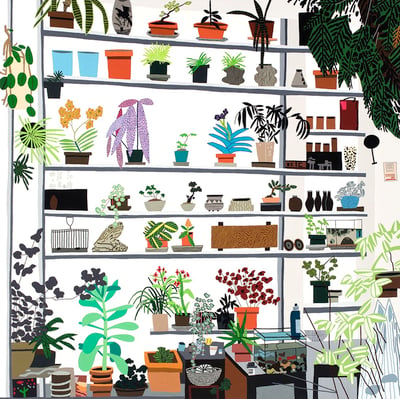
Jonas Wood
Large Shelf Still Life, 2017
Limited Edition Print
Offset Print
EUR 1,150

Richard Prince
Protest porfolio, 2014
Photography
Inkjet print
EUR 12,000

Barbara Kruger
Untitled (2Kiss), 2024
Sculpture / Object
Mixed Media
EUR 1,850
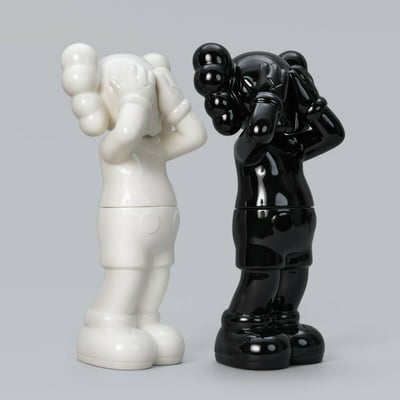
KAWS
Holiday UK (set of two), 2011
Sculpture / Object
Ceramic
EUR 2,500

Richard Anuszkiewicz
Soft Gray, 1975
Painting
Acrylic paint
Inquire For Price

Robert Rauschenberg
In Transit (Goddess Depot), 2001
Limited Edition Print
Lithograph
USD 6,600

Andy Warhol
Mao, II.99, 1972
Limited Edition Print
Silkscreen
USD 90,000 - 110,000
Related Articles
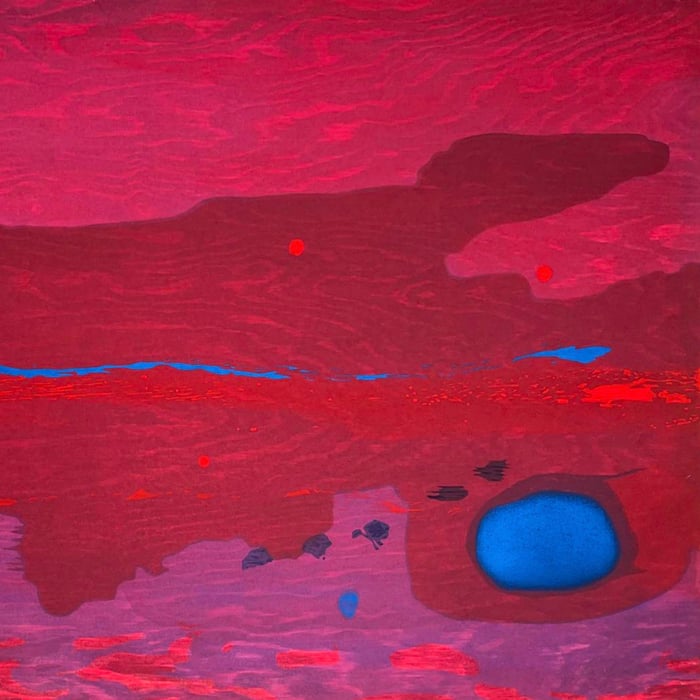

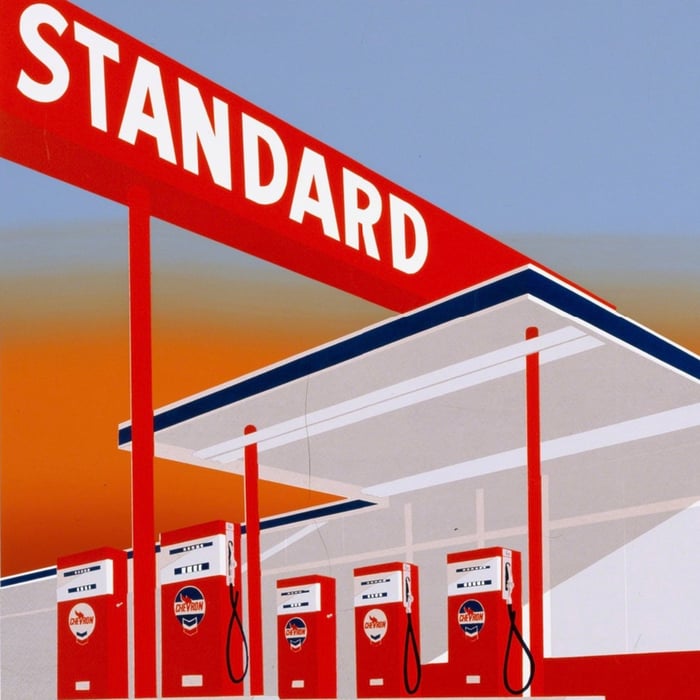

Composition refers to the arrangement of elements within an artwork. The artist carefully organizes these elements to create a harmonious or intentionally dynamic relationship. Traditional approaches to composition often follow classical, geometric principles, while contemporary movements may experiment with new arrangements and adjustments, breaking away from conventional rules to achieve different visual effects.
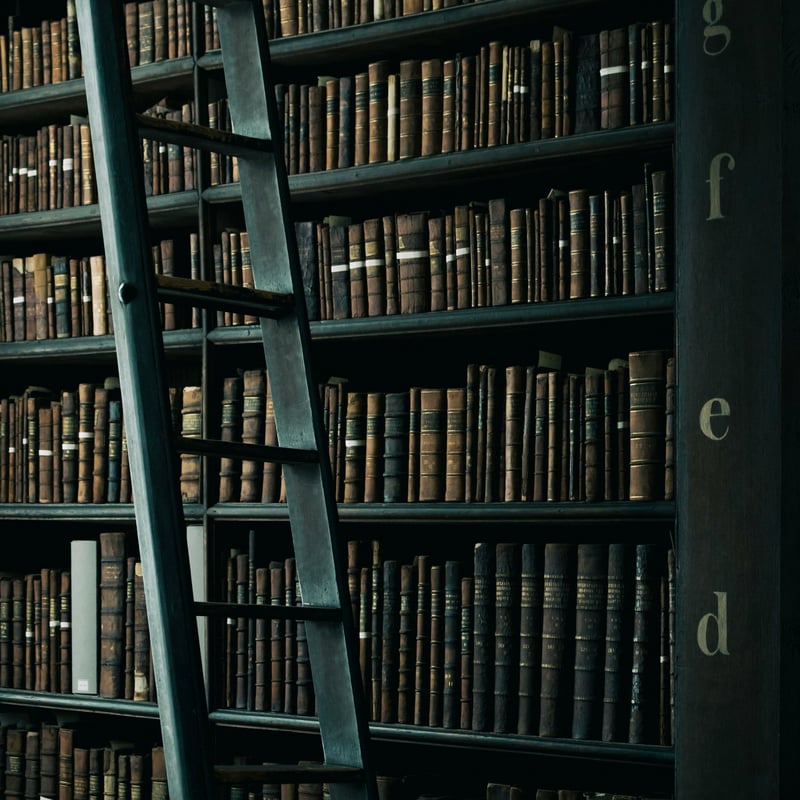
A Catalogue Raisonné is an annotated and comprehensive listing of all the known works of an artist. It includes detailed information that helps to identify and authenticate the artist's output across all media or within a specific medium. Typical details in a catalogue raisonné include the title, dimensions, date, medium, and current location of each work. This resource is essential for scholars, collectors, and art historians in tracking and verifying the complete body of work by an artist.

Linocut is a printmaking technique similar to woodcut, where a sheet of linoleum is used as the relief surface. The design is carved into the linoleum using a V-shaped gouge or chisel, creating raised areas that form a mirror image of the final print. Ink is applied to the raised areas with a roller, and the linoleum sheet is then pressed onto fabric or paper. The printing can be done by hand or with a press.
Can't find your Answer?
Thank you! Your question has been sent — we'll get back to you shortly.
