
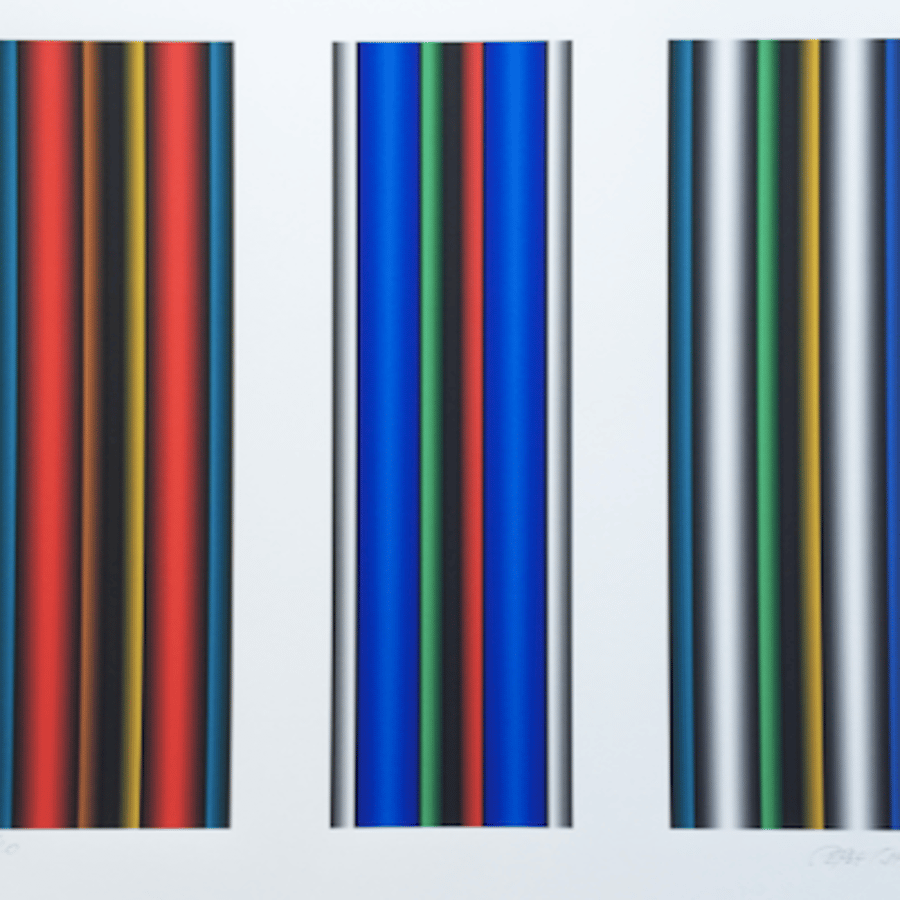
What is a Lithograph?
- Show All
- Established
- Discoveries
- Show All
Artworks Related to Lithograph

Claes Oldenburg
Sketch for a Sculpture in the Form of a Dress Collar and Tie, with Stud, 1994
Limited Edition Print
Lithograph
Inquire For Price
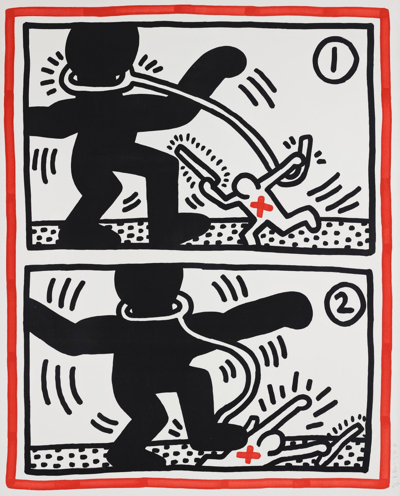
Keith Haring
Untitled 2 (from Free South Africa), 1985
Limited Edition Print
Lithograph
USD 35,900
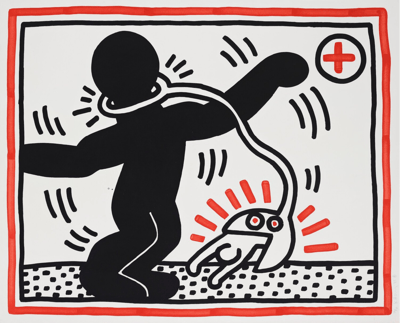
Keith Haring
Untitled 1 (from Free South Africa), 1985
Limited Edition Print
Lithograph
Currently Not Available
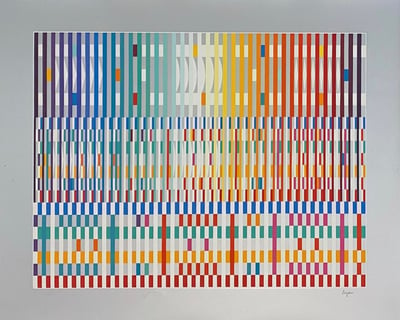
Yaacov Agam
Untitled II, 1990
Limited Edition Print
Lithograph
USD 900
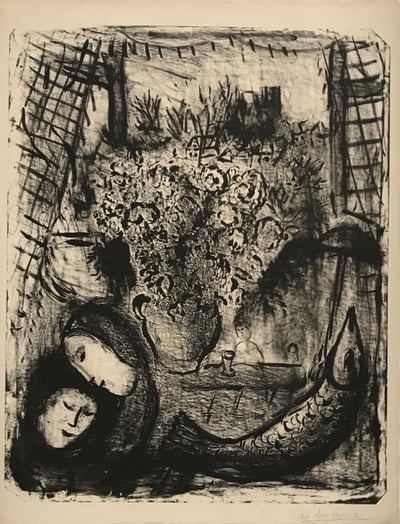
Marc Chagall
Paysage, 1956
Limited Edition Print
Lithograph
USD 4,600
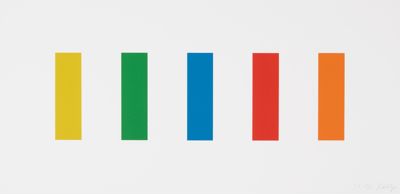
Ellsworth Kelly
Dartmouth, 2011
Limited Edition Print
Lithograph
Currently Not Available
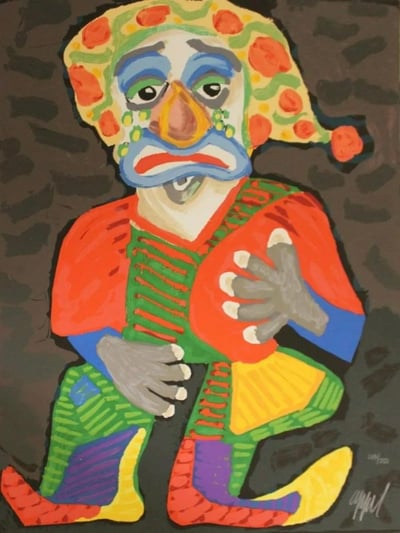
Karel Appel
Il Pagliacci, 1984
Limited Edition Print
Lithograph
USD 2,150
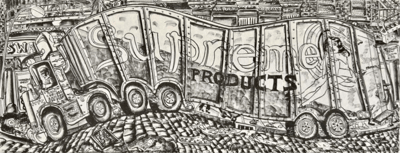
Red Grooms
Truck I, 1979
Limited Edition Print
Lithograph
USD 2,100
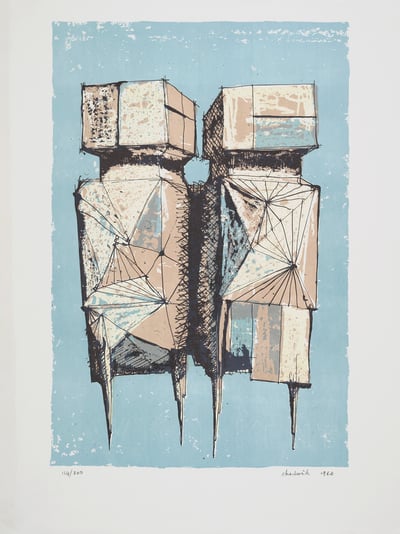
Lynn Chadwick
Watchers, 1960
Limited Edition Print
Lithograph
Currently Not Available
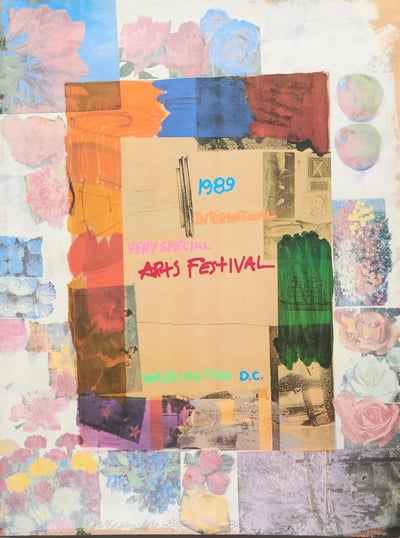
Robert Rauschenberg
International Very Special Arts Festival, 1989
Limited Edition Print
Lithograph
Inquire For Price
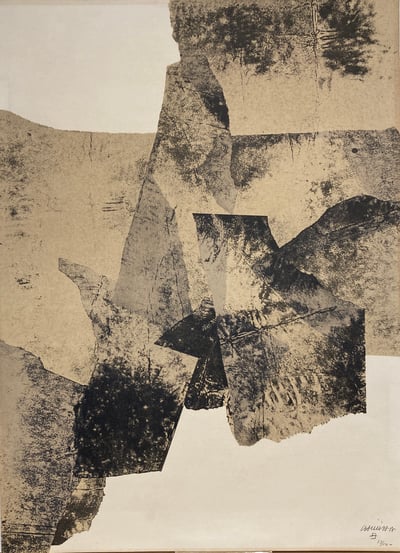
Eduardo Chillida
Untitled n°73, 1961
Limited Edition Print
Lithograph
Currently Not Available
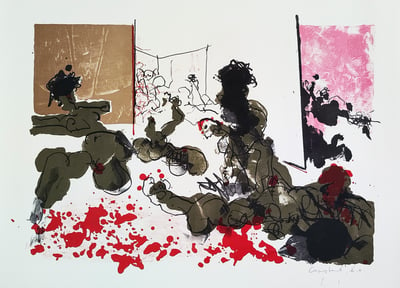
Constant Nieuwenhuys
Le Massacre, 1972
Limited Edition Print
Lithograph
EUR 595
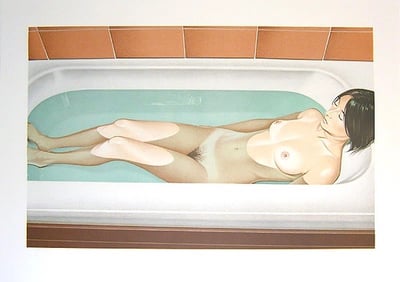
Mel Ramos
Bonnards Bath, 1979
Limited Edition Print
Lithograph
EUR 1,500
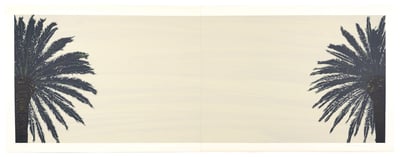
Mel Ramos
Tenerife, 1981
Limited Edition Print
Lithograph
EUR 5,950
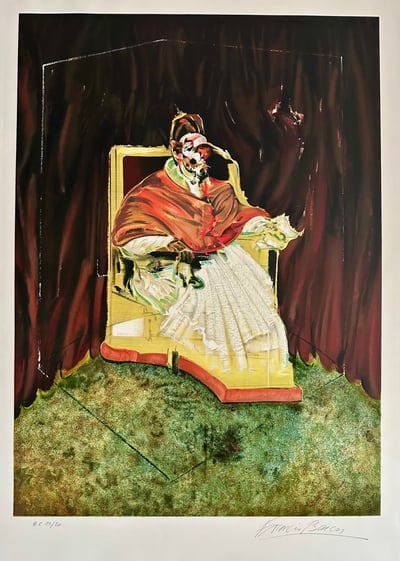
Francis Bacon
Study for Portrait of Pope Innocent X after Velasquez, 1989
Limited Edition Print
Lithograph
Currently Not Available
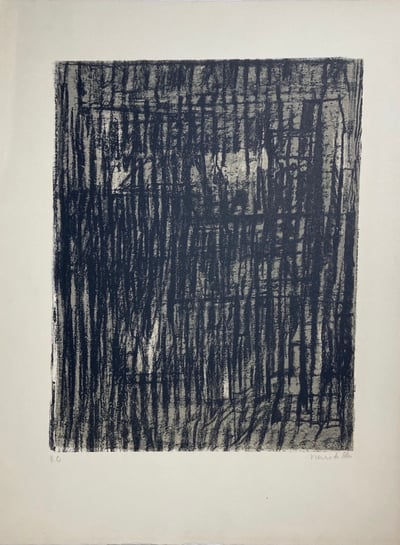
Helena Vieira da Silva
Les Grilles, 1961
Limited Edition Print
Lithograph
EUR 1,350
Related Articles


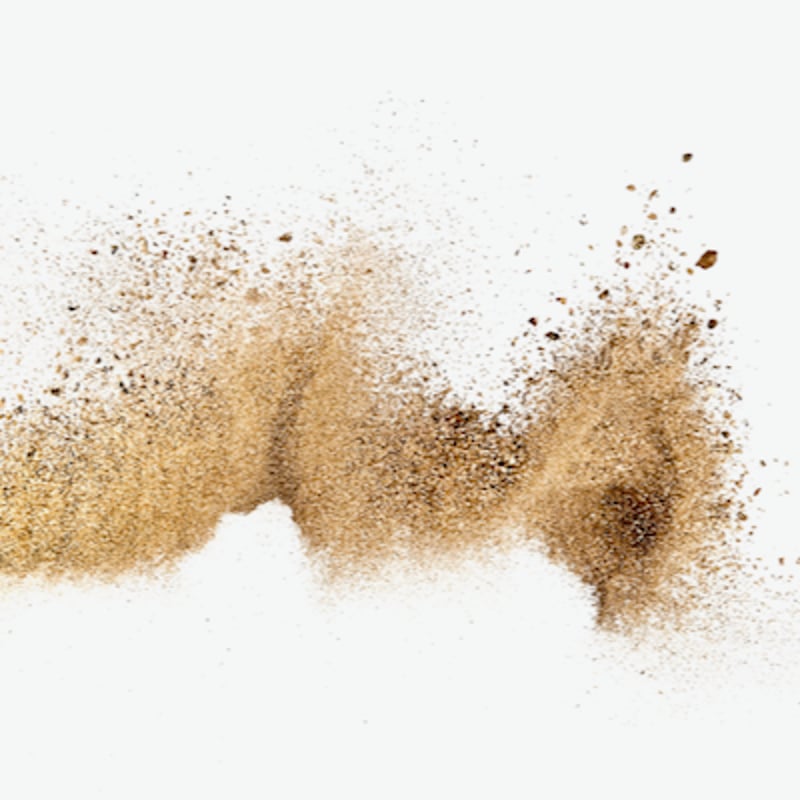
Sand consists of loose grains of material primarily made up of minerals like quartz, mica, and feldspar, as well as small fragments of rocks. Sand paintings are created by pouring colored sand into intricate designs, often for cultural rituals or special celebrations. These designs can take many days to complete and are traditionally brushed away after the ceremony, emphasizing the impermanence of the artwork.

Massurrealism is a portmanteau word coined by American artist James Seehafer in 1992. He observed a trend among postmodern artists who blended themes and aesthetic styles with mass media, including elements of pop art. Massurrealism is a development of surrealism that emphasizes the technological effects on the imagery of contemporary surrealism. The key difference between massurrealism and surrealism is that the latter was founded in Europe at the beginning of the 20th century, while massurrealism is rooted in the influence of modern technology and media.
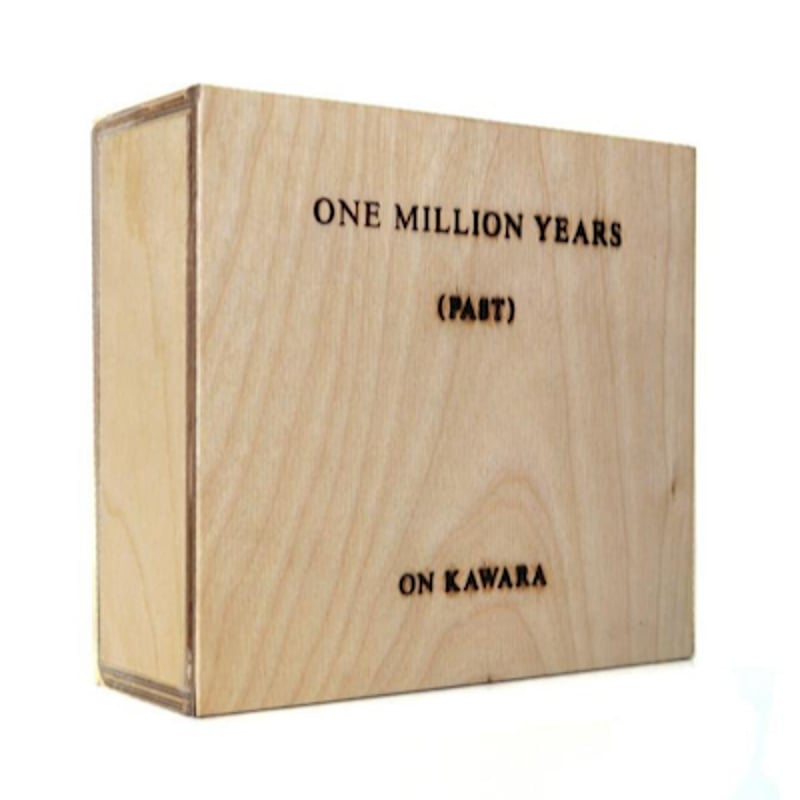
Mail Art is a populist art movement centered on the creation and exchange of small-scale artworks through the postal service. It developed out of the Fluxus movement in the 1950s and 1960s and has since evolved into a global art movement. Ray Johnson is recognized as the first mail artist, and his New York School is considered the first network of mail artists. Mail artists rely heavily on a network to exchange their works, often creating a community of artists connected through the postal system.
Can't find your Answer?
Thank you! Your question has been sent — we'll get back to you shortly.
