
What is a Lithograph?
- Show All
- Established
- Discoveries
- Show All
Artworks Related to Lithograph

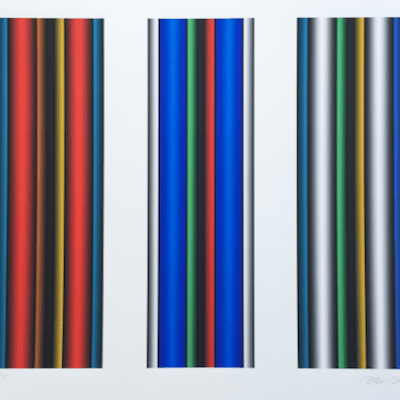
Luis Tomasello
S/T 3 - Naranja, 2013
Limited Edition Print
Lithograph
EUR 3,000
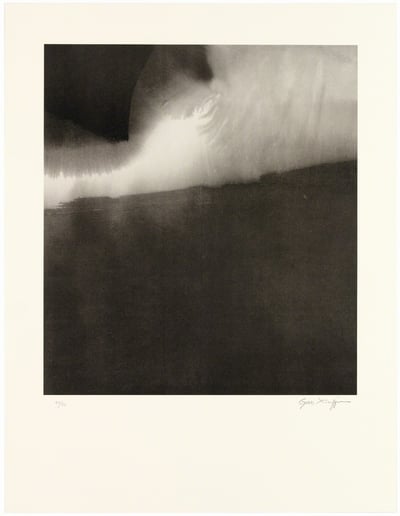
Xingjian Gao
S/T, 2008
Limited Edition Print
Lithograph
Currently Not Available

Luis Tomasello
S/T 2 - Verde, 2013
Limited Edition Print
Lithograph
EUR 3,000
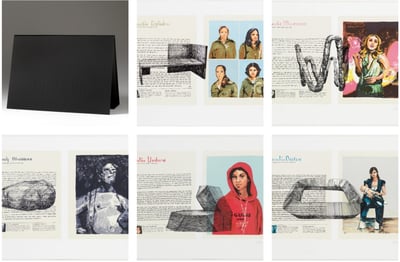
Sandra Gamarra
Portfolio RESELECCION NATURAL, 2010
Limited Edition Print
Lithograph
EUR 2,000

Luis Tomasello
S/T 2 - Rosa, 2013
Limited Edition Print
Lithograph
EUR 3,000
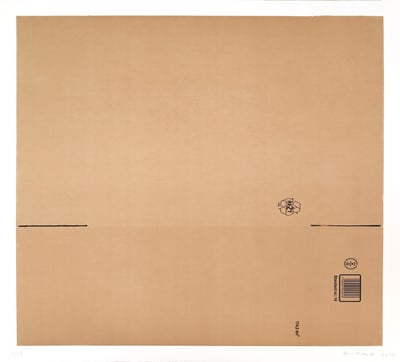
Matias Faldbakken
Box 4, 2014
Limited Edition Print
Lithograph
EUR 3,000
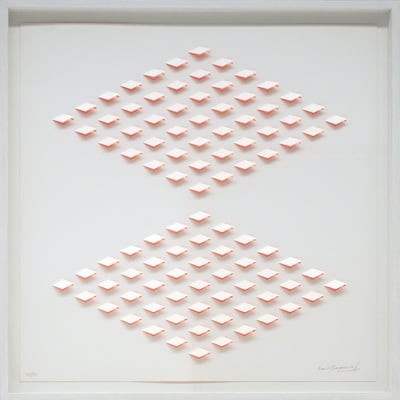
Luis Tomasello
S/T 2 - Naranja , 2013
Limited Edition Print
Lithograph
EUR 3,000

Matias Faldbakken
Box 3, 2014
Limited Edition Print
Lithograph
EUR 3,000

Matias Faldbakken
Box 2, 2014
Limited Edition Print
Lithograph
EUR 3,000

Luis Tomasello
S/T 1 - Rosa , 2013
Limited Edition Print
Lithograph
EUR 3,000

Matias Faldbakken
Box 1, 2014
Limited Edition Print
Lithograph
EUR 3,000

Luis Tomasello
S/T 1 - Naranja , 2013
Limited Edition Print
Lithograph
EUR 3,000

Antoni Tapies
Poligrafa XV Anys , 1980
Limited Edition Print
Lithograph
EUR 1,700
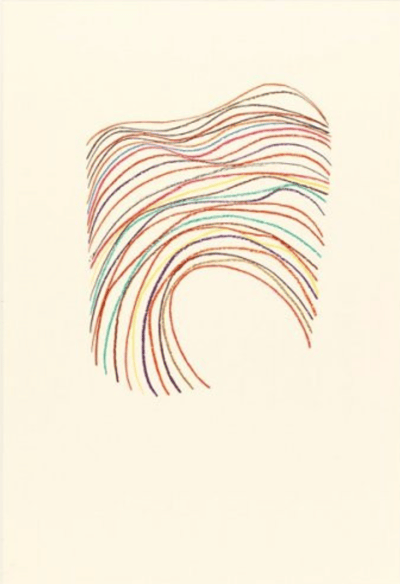
León Ferrari
Mod. 13, 2009
Limited Edition Print
Lithograph
EUR 1,000
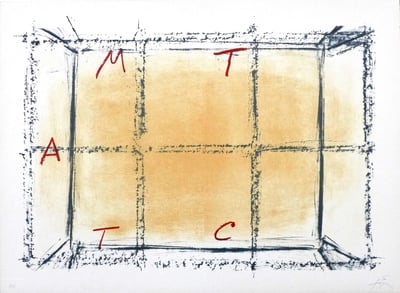
Antoni Tapies
Llambrec-18 , 1975
Limited Edition Print
Lithograph
EUR 1,800
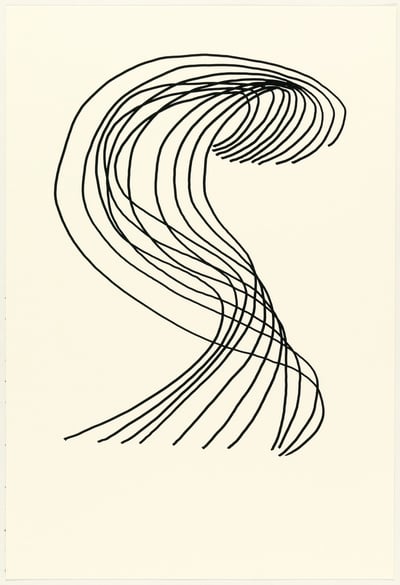
León Ferrari
Mod. 4, 2009
Limited Edition Print
Lithograph
EUR 1,000
Related Articles


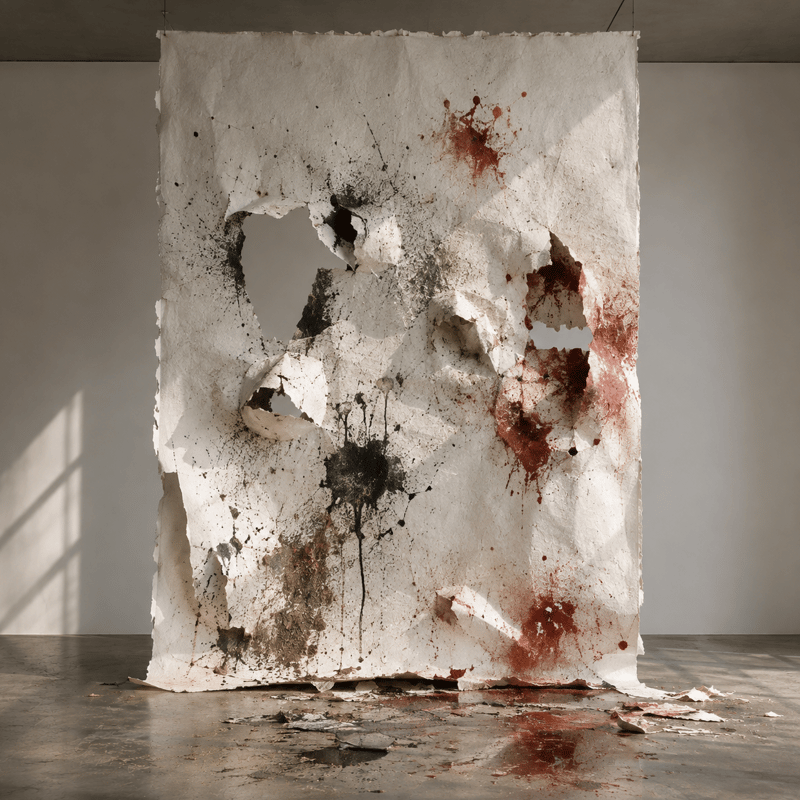
Gutai was a group of Japanese radical artists who formed the Gutai Art Association in 1954. The word Gutai translates to embodiment. The group was known for creating art on the spot for live audiences, often incorporating their own physical movements. Their performances included actions like throwing paint, piercing paper, and rolling in mud, emphasizing the direct interaction between the body and the material.

Site-Specific Art is a form of artwork created to exist in a particular location, with the artist considering the site as an integral part of the creative process. Robert Irwin was a key figure in promoting this art form in California. Site-Specific Art emerged as a reaction against modernist objects, which were often portable, commodified, and confined to museum spaces. In contrast, Site-Specific Art is inherently tied to its location, challenging the traditional notions of art as a transportable and marketable commodity.

Also referred to as Earth Art, Earthworks, or Environmental Art, Land Art is a sculptural movement that involves creating artworks that integrate conceptual or physical elements of the earth or landscape into the finished piece. These works often interact directly with the environment, using natural materials and settings to explore themes related to nature, place, and time
Can't find your Answer?
Thank you! Your question has been sent — we'll get back to you shortly.
