
What is abstract art?
- Show All
- Established
- Discoveries
- Show All
Artworks Related to Abstract art
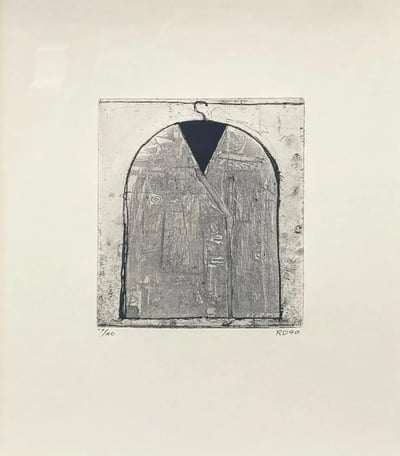
Richard Diebenkorn
Coat IV, 1990
Limited Edition Print
Etching
USD 2,650
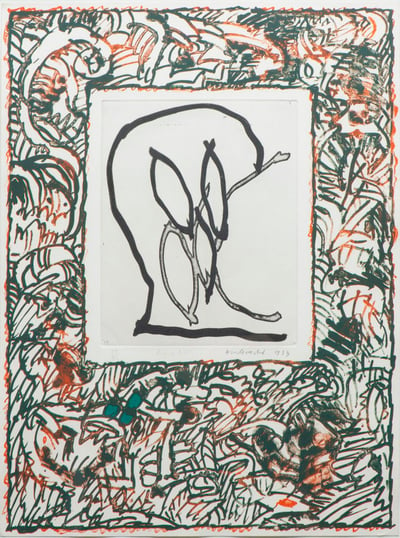
Pierre Alechinsky
Ligne BVV, 1983
Limited Edition Print
Lithograph
Currently Not Available
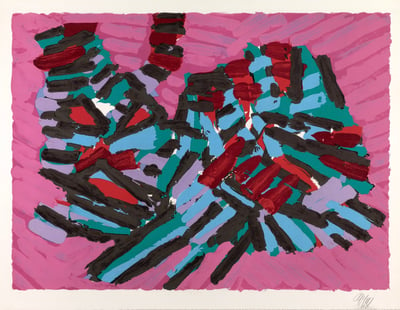
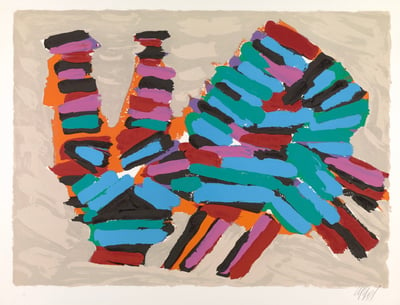
Karel Appel
About a Cat, 1979
Limited Edition Print
Lithograph
USD 750
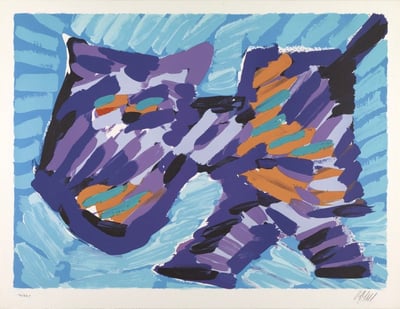
Karel Appel
Frightened Cat, 1979
Limited Edition Print
Lithograph
USD 750
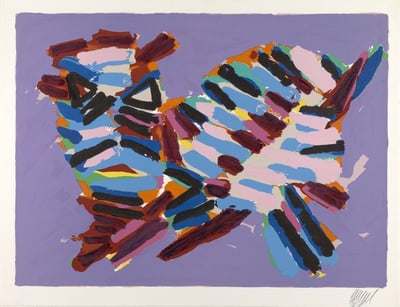
Karel Appel
Walking Cat, 1979
Limited Edition Print
Lithograph
USD 750
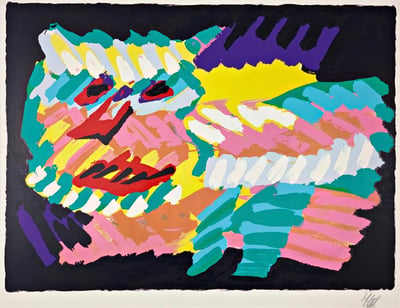
Karel Appel
Innocent Cat, 1979
Limited Edition Print
Lithograph
USD 750
Karel Appel
Pink Cat, 1979
Limited Edition Print
Lithograph
USD 750

Callum Innes
LBO, 2022
Limited Edition Print
Mixed Media
Currently Not Available

Callum Innes
LBB, 2022
Limited Edition Print
Mixed Media
EUR 5,500

Callum Innes
LB_, 2022
Limited Edition Print
Mixed Media
EUR 5,500
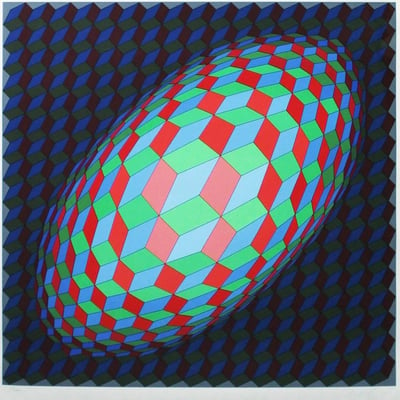
Victor Vasarely
Omega V, 1979
Limited Edition Print
Serigraph
Inquire For Price
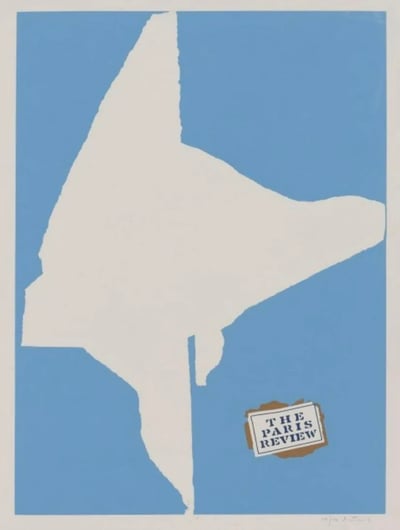
Robert Motherwell
The Paris Review, 1965
Limited Edition Print
Screen-print
USD 2,350
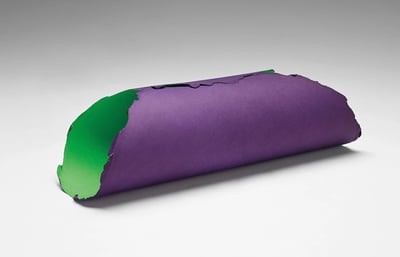
Dan Flavin
Guggenheim Tondo, 1992
Sculpture / Object
Mixed Media
EUR 7,500
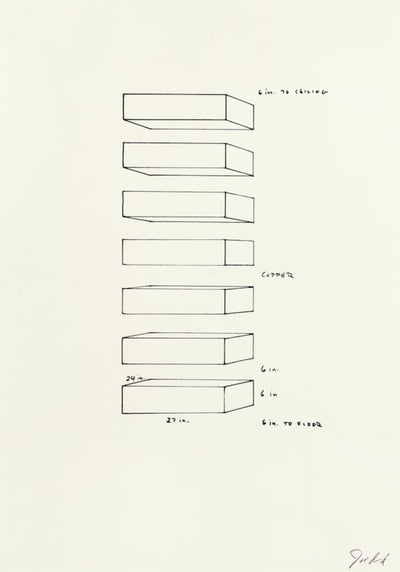
Donald Judd
Untitled (from Kunstmarkt Köln), 1969
Limited Edition Print
Offset Print
Currently Not Available
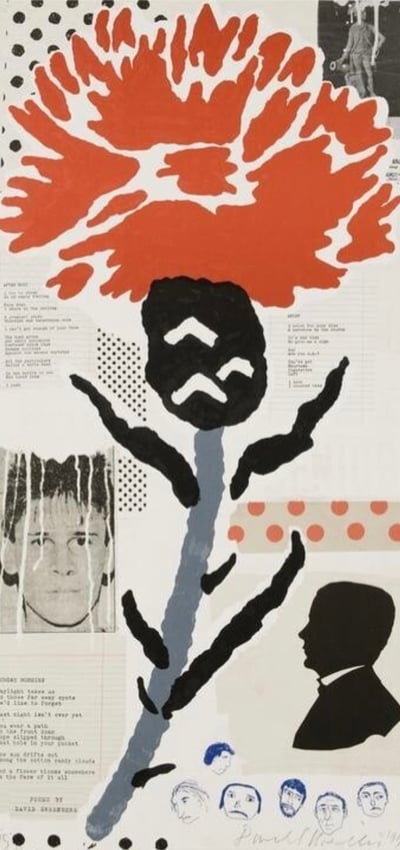
Donald Baechler
Thistle, 1999
Limited Edition Print
Lithograph
USD 1,350
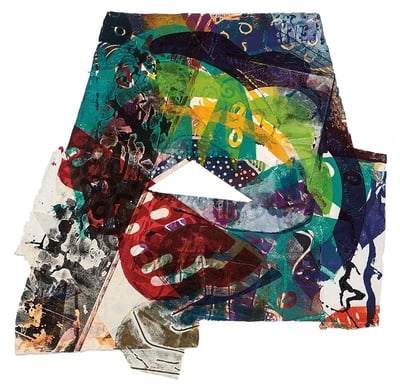
Sam Gilliam
Purple Antelope Space Squeeze, 1987
Limited Edition Print
Mixed Media
USD 15,000
Related Articles
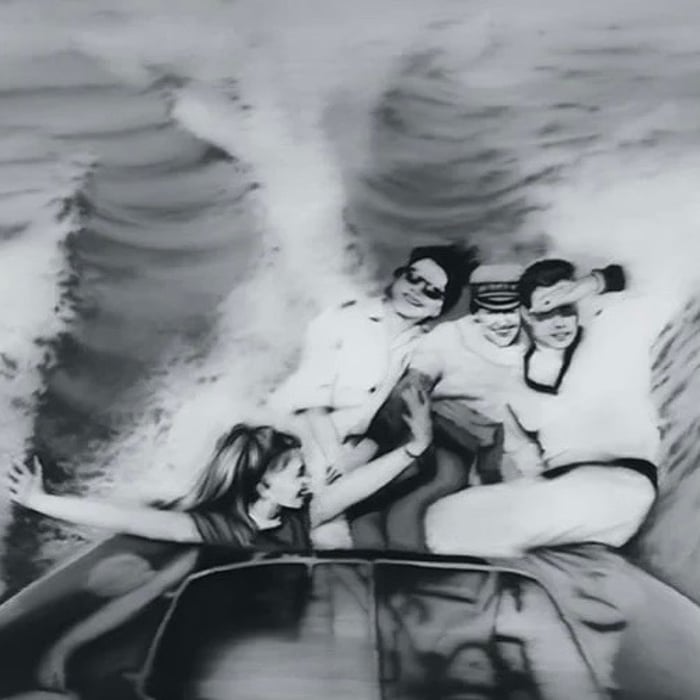


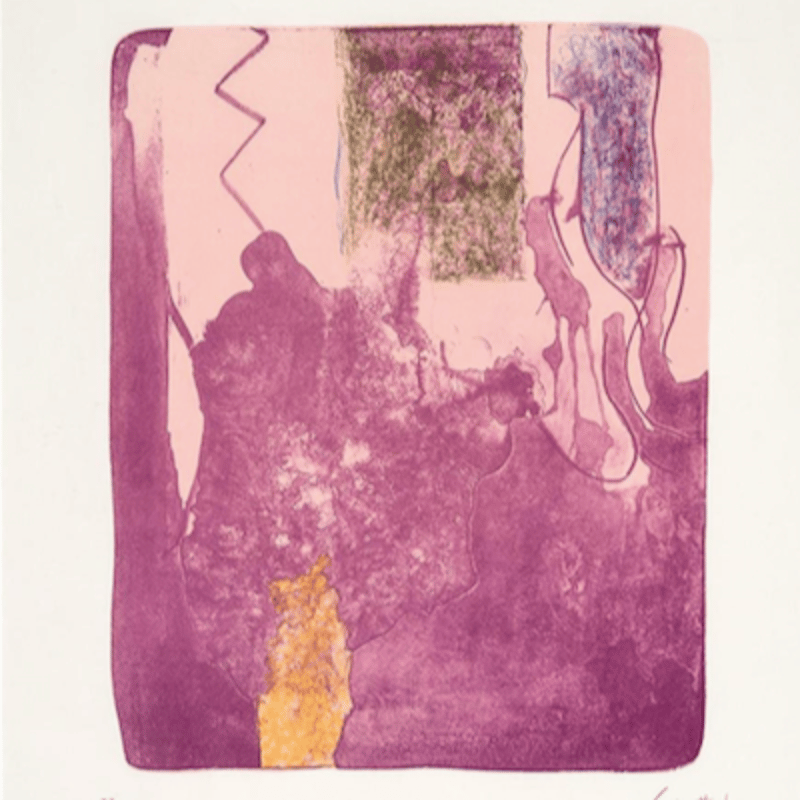
Lyrical abstraction is a descriptive term characterizing a type of abstract painting closely related to Abstract Expressionism, in use from the 1940s to the present. The term can also describe two distinct but related trends in post-World War II modernist painting. This art movement originated in Paris, France, after the war, emphasizing personal expression, spontaneity, and the emotional use of color and form.

Environmental art is a collective term that refers to a wide range of artistic practices and works that engage with historical and ecological themes. The term often encompasses ecological concerns, although it is not exclusively defined by them. Environmental art acknowledges and appreciates the early history of the environmental art movement, including works with activist themes and those celebrating the connection between nature and the artist through the use of natural materials.
Situationism is a psychological theory that gained prominence in 1968, following the publication of a monograph by Walter Mischel that sparked the Person-situation debate. This theory argues that behavior is primarily influenced by external situational factors rather than internal traits or motivations, challenging the ideas of trait theorists like Raymond B. Cattell and Hans Eysenck, who emphasized stable personality traits. It is important not to confuse this with the Situationist International movement, an artistic and political movement founded by Asger Jorn, which focused on the critique of modern consumer society and the influence of environments on human behavior.
Can't find your Answer?
Thank you! Your question has been sent — we'll get back to you shortly.
