
What is abstract expressionism?
- Show All
- Established
- Discoveries
- Show All
Artworks Related to Abstract expressionism

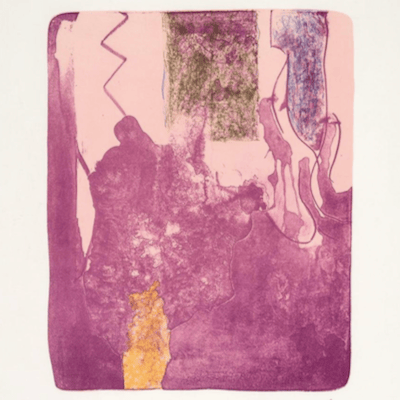
Sam Francis
Untitled (SF-315), 1986
Limited Edition Print
Lithograph
USD 8,500
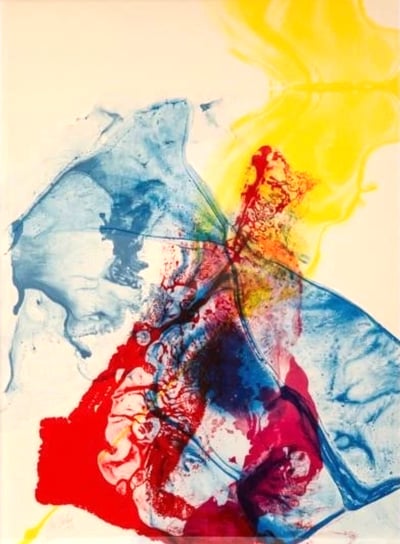
Paul Jenkins
Phenomena - Katherine Wheel, 1969
Limited Edition Print
Lithograph
USD 1,450
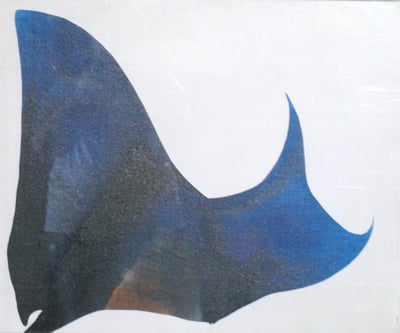
Paul Jenkins
Phenomena Wing Cut, 1979
Painting
Oil on canvas
USD 11,900
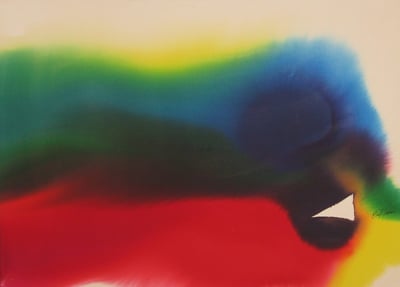
Paul Jenkins
Phenomeana parcinal imperative, 1982
Drawing / Watercolor
Watercolor
USD 11,900

Frank Stella
A Hungry Cat Ate up the Goat, 1984
Limited Edition Print
Mixed Media
USD 24,900
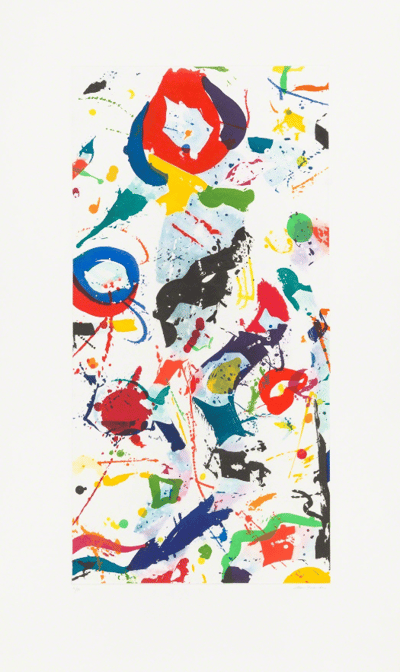
Sam Francis
SFE 079, 1992
Limited Edition Print
Etching
Currently Not Available
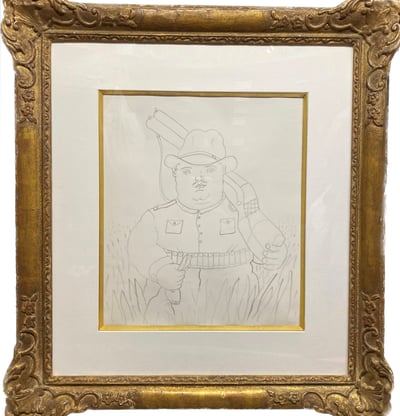
Fernando Botero
Hunter, 1980
Drawing / Watercolor
Pencil
USD 29,000 - 35,000

Karel Appel
Sunshine people, 1974
Limited Edition Print
Silkscreen
USD 1,700

Karel Appel
Putting green kiss , 1978
Limited Edition Print
Silkscreen
USD 1,750

Karel Appel
Como el Viento, 1988
Limited Edition Print
Etching and Aquatint
EUR 1,700
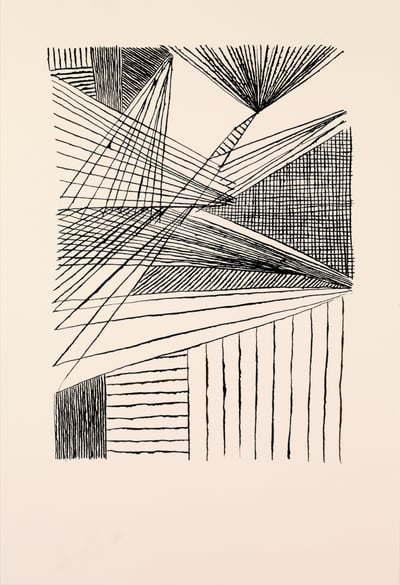
León Ferrari
Sin título 4, 2008
Limited Edition Print
Lithograph
EUR 1,000
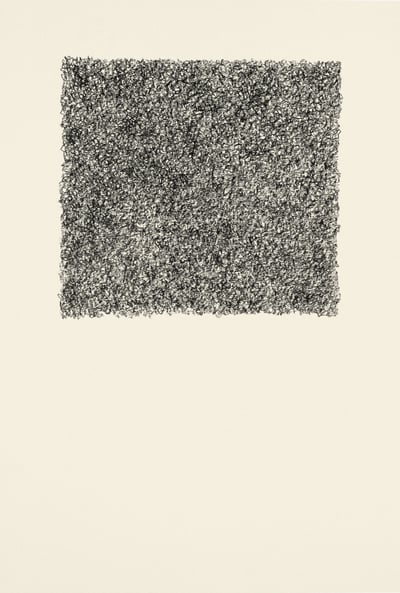
León Ferrari
Sin título 3, 2008
Limited Edition Print
Lithograph
EUR 1,000
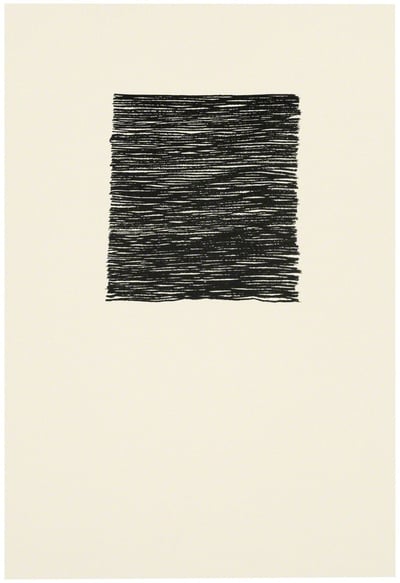
León Ferrari
Sin título 2, 2008
Limited Edition Print
Lithograph
EUR 1,000
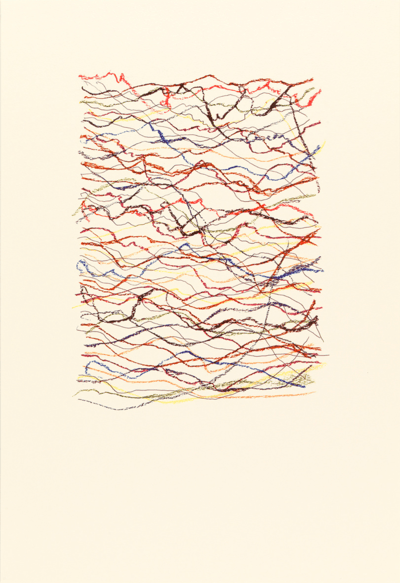
León Ferrari
Mod. 14, 2009
Limited Edition Print
Lithograph
EUR 1,000

León Ferrari
Árbol embarazador, 2009
Limited Edition Print
Lithograph
EUR 1,000

León Ferrari
A un lado por la izquierda, 2009
Limited Edition Print
Lithograph
EUR 1,000
Related Articles

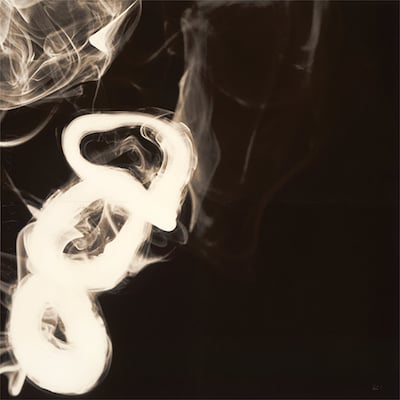
An archival print refers to a fine art reproduction of museum quality, created using the highest quality materials and methods. These prints are produced on the finest papers and with inks specifically designed to resist color fading over time. Drawings and paintings are reproduced using a fine art printer with exceptionally high resolution, ensuring longevity and preservation of the artwork.
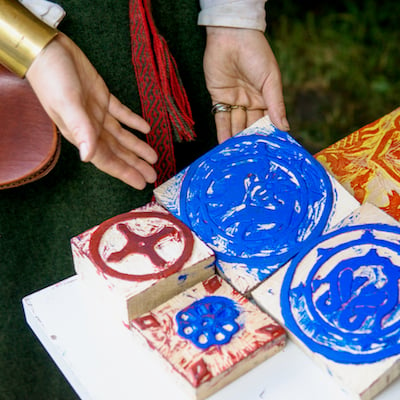
Woodcut is a printing technique where an image is carved into the surface of a woodblock using gouges, with the remaining flat surface holding the ink for printing. The areas cut away by the artist do not carry ink, while the uncut areas do, producing the desired print. The carving follows the wood's grain, unlike wood engraving, where the block is cut across the end-grain. Ink is applied to the surface with a roller, ensuring only the flat, uncarved areas receive ink, leaving the recessed, non-printing areas clean.
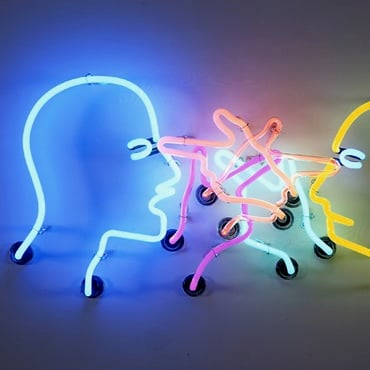
Process Art is an artistic movement and creative approach where the focus is on the act of creation rather than the final product. The term process in this context refers to the various stages of art-making, including gathering, sorting, associating, and organizing materials and actions. This movement emphasizes the artistic journey and the human expression involved in creating art, rather than the finished piece itself. Process Art is driven by inherent motivation, intentionality, and the rationale behind the actions, viewing the creative process as the true artwork.
Can't find your Answer?
Thank you! Your question has been sent — we'll get back to you shortly.
