
What is conceptual art?
- Show All
- Established
- Discoveries
- Show All
Artworks Related to Conceptual art

Jaume Plensa
Faith is taking the first step even when you don’t see the whole staircase, 2022
Limited Edition Print
Relief printing
Inquire For Price
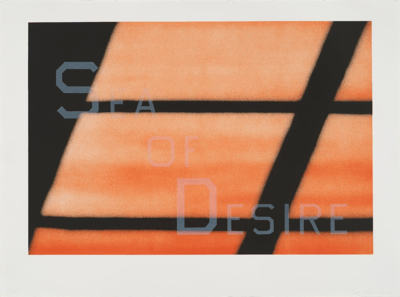
Ed Ruscha
Sea of Desire, 1984
Limited Edition Print
Lithograph
USD 30,000 - 40,000

Mel Bochner
Blah Blah Blah (Inverse), 2022
Limited Edition Print
Silkscreen
Currently Not Available

Yoko Ono
John Lennon - Imagine, 2018
Limited Edition Print
Giclée printing
GBP 1,980

Tracey Emin
It's a Crime to Live with The Person You don’t Love, 2021
Limited Edition Print
Giclée printing
GBP 2,200

Sol LeWitt
Cubes in Color on Color (Yellow/Purple), 2003
Limited Edition Print
Linocut
Currently Not Available
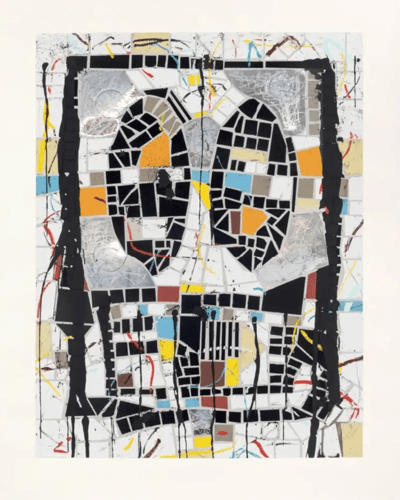
Rashid Johnson
Broken Men, 2019
Limited Edition Print
Collage
Inquire For Price
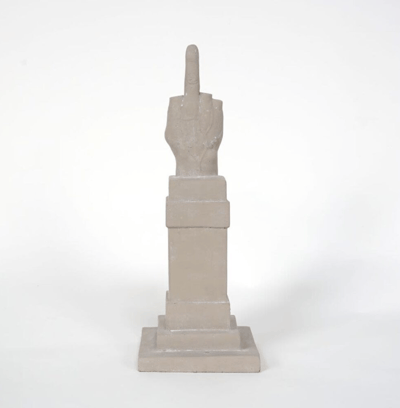
Maurizio Cattelan
L.O.V.E., 2015
Sculpture / Object
Mixed Media
GBP 3,500
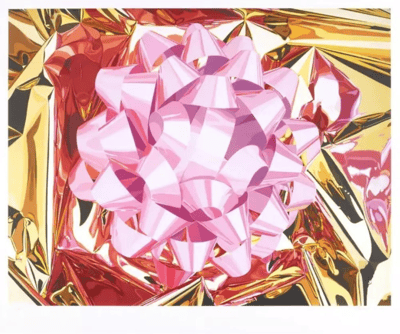
Jeff Koons
Pink Bow - Celebration series, 2013
Limited Edition Print
Inkjet print
Currently Not Available
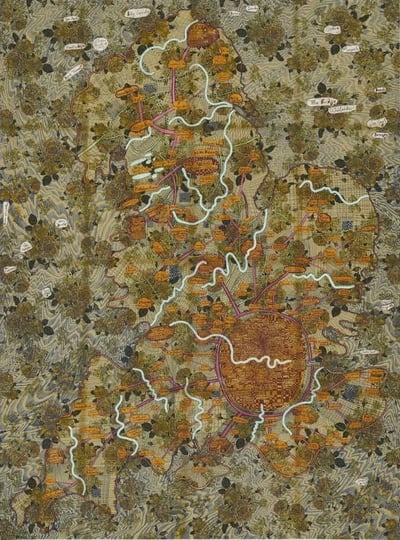
Grayson Perry
England as Seen During Lockdown From Islington, 2021
Limited Edition Print
Pigment print
GBP 23,500
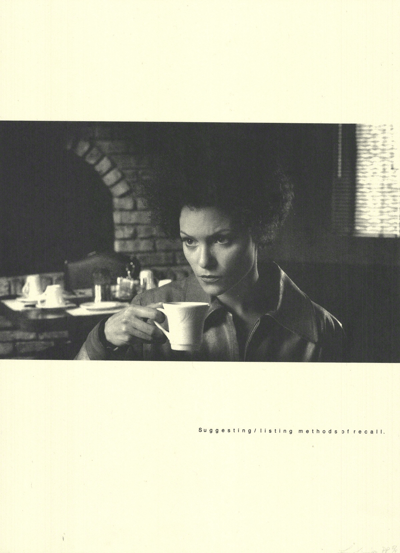
Lorna Simpson
Recall, 1998
Limited Edition Print
Silkscreen
USD 9,000 - 13,000

Barbara Kruger
Untitled (Kiss), 2019
Sculpture / Object
Wood
USD 3,500 - 6,000

Jasper Johns
The Season, 1990
Limited Edition Print
Etching
USD 14,000 - 17,000
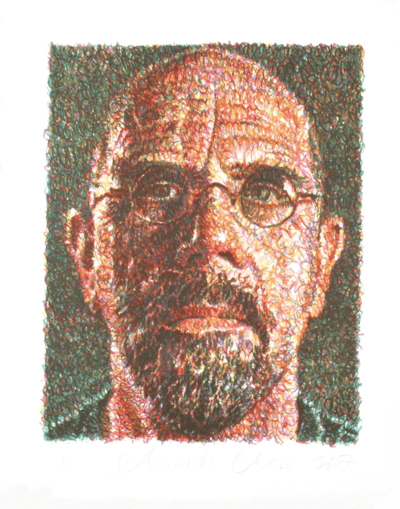
Chuck Close
Self Portrait (Lincoln Center), 2007
Limited Edition Print
Screen-print
USD 12,000 - 17,000
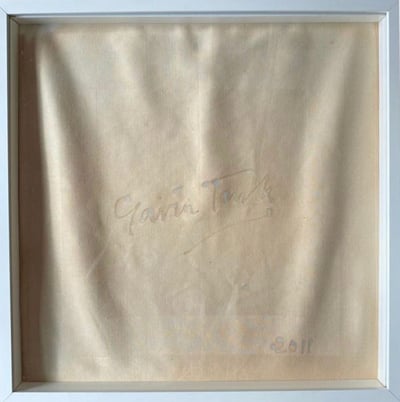
Gavin Turk
Merlot Damask, 2011
Limited Edition Print
Mixed Media
Inquire For Price
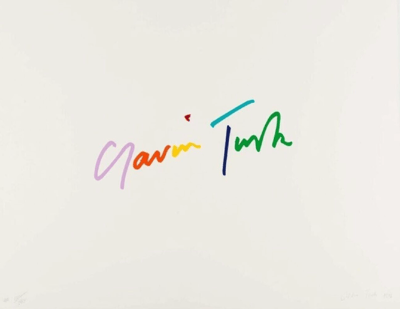
Gavin Turk
Knob, 1997
Limited Edition Print
Silkscreen
GBP 5,000 - 8,000
Related Articles



Emulation is the process of recreating digital art to ensure it remains accessible and functional, even when the original technology used to create it becomes obsolete. This is done by using newer technology to replicate the experience and functionality of the original artwork, preserving art made with early cameras, software, and computers.
Futurism was an early 20th-century art movement that sought to capture the energy and dynamism of the modern world. The movement was launched by Italian poet Filippo Tommaso Marinetti, who published the Manifesto of Futurism on February 20, 1909. Futurism denounced the past and passionately embraced technology, industry, and the speed of modern life.
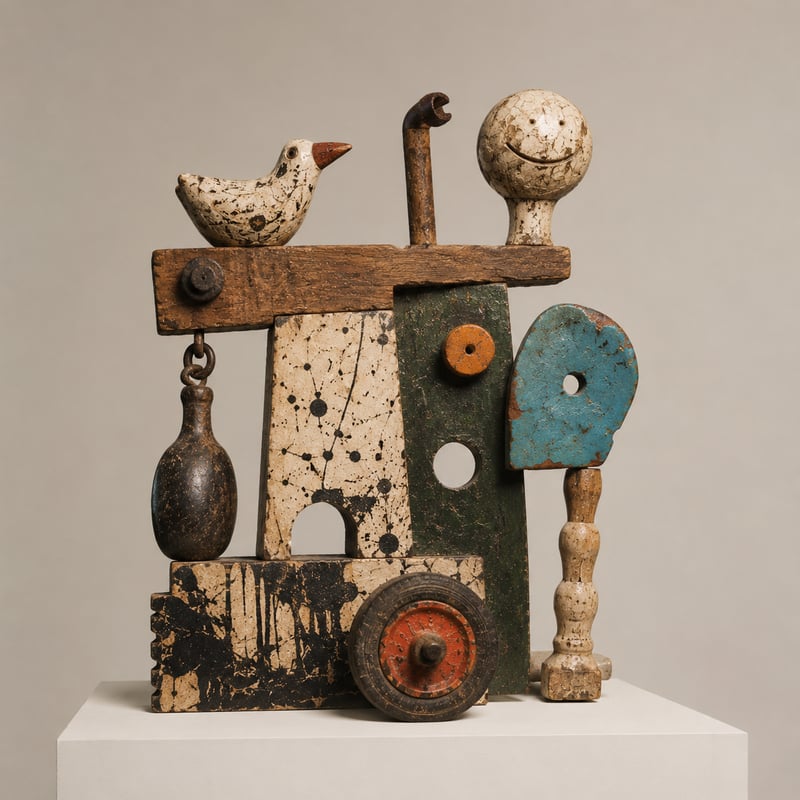
In the 1960s, Funk Art emerged as a reactive movement against Abstract Expressionism. It was widely known as an anti-establishment movement, with the name derived from the jazz term funky. This term carried both positive and negative connotations: in the jazz world, it described passion, quirkiness, and sensuality, but it could also refer to a foul odor. Funk Art was particularly popular in the California Bay Area. While the artists of the Funk Art era shared similar attitudes and styles, they did not see themselves as part of a formal group or movement.
Can't find your Answer?
Thank you! Your question has been sent — we'll get back to you shortly.
