
What is conceptual art?
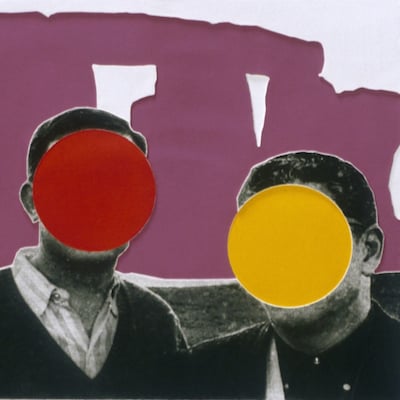
Sometimes referred to as Conceptualism, this is an art form where the idea(s) or concept(s) behind the work take precedence over material concerns and traditional aesthetics. Many conceptual artworks can be created by anyone simply by following written instructions. The concept or idea is the most essential aspect of the artwork.
Show All
- Show All
- Established
- Discoveries
Show All
- Show All
Artworks Related to Conceptual art
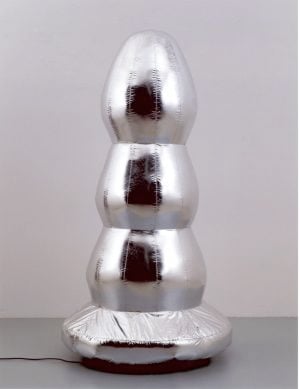
Paul Mccarthy
Brancusi Tree (silver), 2007
Sculpture / Object
Mixed Media
Currently Not Available

Subodh Gupta
title unknown, 2006
Photography
Photograph
Currently Not Available

Zhang Huan
1/2, 1998
Limited Edition Print
Silkscreen
Currently Not Available
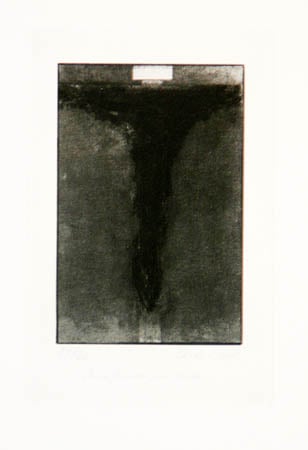
Thierry De Cordier
Crucifictions, no more, 2005
Limited Edition Print
Etching
Currently Not Available
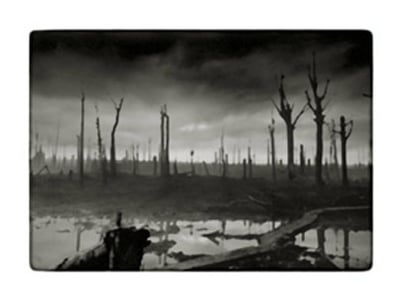
Hans Op de Beeck
Loss - Landscape, 2004
Limited Edition Print
Lithograph
Currently Not Available
Related Articles


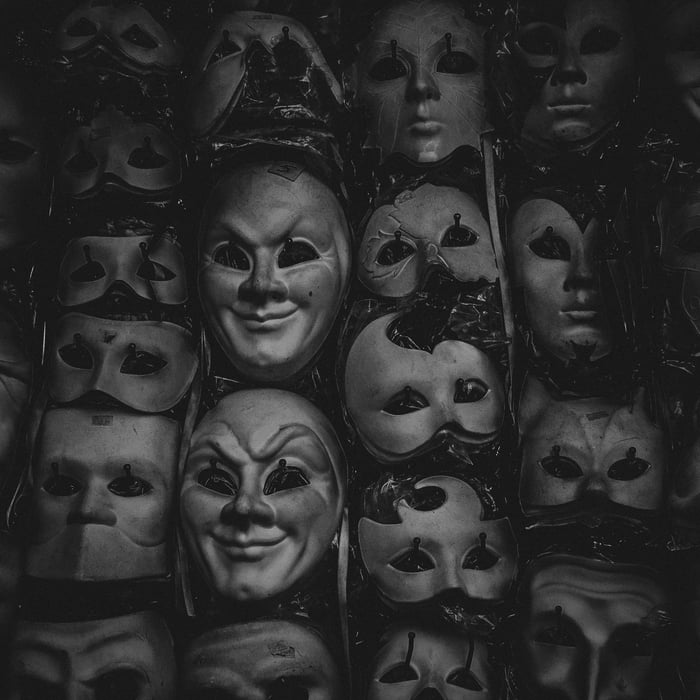

Hypermodernism is a cultural and artistic movement that emerged in the late 20th and early 21st centuries, characterized by an intense embrace of technology and a focus on speed, complexity, and the future. This movement often challenges traditional modernist values by emphasizing hyper-reality, where the boundaries between reality and virtuality blur. Hypermodernism is evident in architecture, design, and visual arts, where artists and creators use advanced digital tools and futuristic aesthetics to explore themes of globalization, identity, and the impact of technology on society.
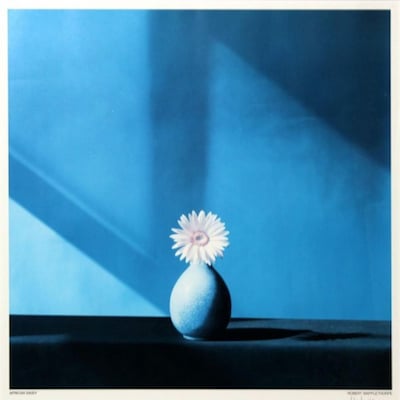
Photogravure is a high-quality printing process that involves etching a photograph onto a copper plate. The plate is inked and pressed onto paper, producing fine art prints with detailed, soft tones and rich textures. Developed in the 19th century, photogravure is renowned for its ability to create art reproductions with exceptional depth and subtlety.
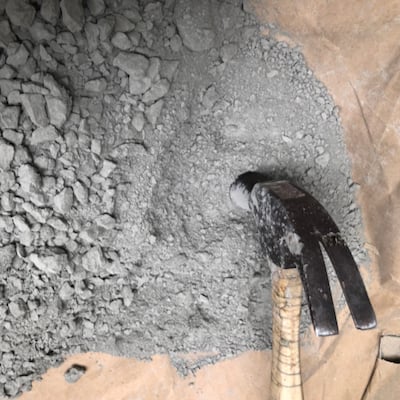
Cement refers to a variety of mixtures, typically made from clay, limestone, water, sand, and gravel, which form concrete used in construction. The term to cement also means to join or unite materials. In art, cement can refer to the process of securely gluing or bonding elements together, often used in sculptural work or mixed media.
Can't find your Answer?
Thank you! Your question has been sent — we'll get back to you shortly.
