

What is contemporary art?
- Show All
- Established
- Discoveries
- Show All
Artworks Related to Contemporary Art

Ludwig Wilding
SBST 2838, 2000
Sculpture / Object
Object
EUR 1,500

Ludwig Wilding
SBST 2823, 1993
Sculpture / Object
Object
EUR 1,500

Ludwig Wilding
SB II, 1986
Sculpture / Object
Object
EUR 1,500

Ludwig Wilding
SBST 2818, 1986
Sculpture / Object
Object
EUR 1,500

Ludwig Wilding
SBT 2835, 1998
Sculpture / Object
Object
EUR 1,500

Burton Morris
Stardust memories, 1998
Limited Edition Print
Screen-print
Currently Not Available

Burton Morris
Dubonnet, 1998
Limited Edition Print
Screen-print
EUR 500

Nan Goldin
Joey in my Mirror, Berlin, 1992
Photography
C-Print
Currently Not Available

Diana Thater
MOUSE A IS, 1996
Limited Edition Print
Digital print on canvas
USD 4,500

Diana Thater
CAT A IS, 1996
Limited Edition Print
Digital print on canvas
USD 4,500

Kiki Smith
Untitled - bite, 1988
Limited Edition Print
Digital Print on paper
USD 2,950

Martin Parr
#27, 2015
Photography
C-Print
EUR 950

Robert Longo
Solid Vision, 1989
Limited Edition Print
Lithograph
USD 8,500
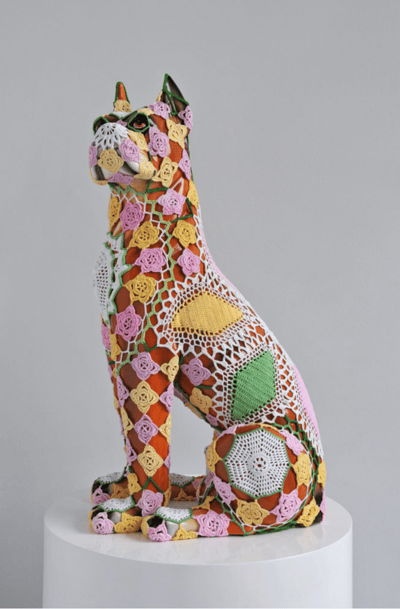
Joana Vasconcelos
Lady, 2014
Sculpture / Object
Textile
EUR 20,000
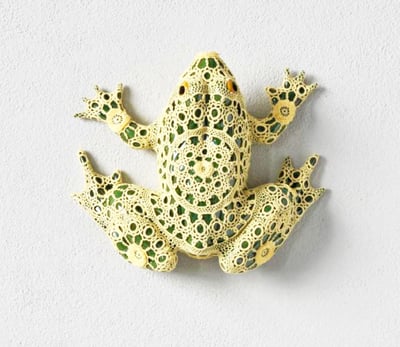
Joana Vasconcelos
Lovelace, 2014
Sculpture / Object
Textile
Inquire For Price

Rachel Whiteread
Mike and the Modelmakers, 2008
Sculpture / Object
Object
EUR 1,300
Related Articles


Cubism is an art movement that aimed to depict multiple perspectives of objects or figures within a single picture. Artists Georges Braque and Pablo Picasso pioneered this style around 1907. The name Cubism emerged from their use of geometric shapes and outlines that often resembled cubes, breaking objects down into abstracted forms.

Patina is the distinctive greenish surface that bronze develops over time due to exposure to air and humidity. Artists can also apply chemicals to bronze to artificially create patina. Alternatively, bronze can be polished to reveal its natural rich gold color. Patina is not exclusive to bronze; it can also occur on other metals like copper and even on wood and stone, enhancing the material's character over time.

The Light and Space Movement refers to loosely affiliated art movements connected to minimalism, geometric abstraction, and op art that originated in Southern California in the 1960s. Greatly influenced by artist John McLaughlin, these artists focused on sensory phenomena such as light, perception, and space as central elements of their work. They also incorporated cutting-edge technologies from the aerospace and engineering industries to develop light-filled and sensuous objects, creating immersive experiences that emphasize the viewer's perception.
Can't find your Answer?
Thank you! Your question has been sent — we'll get back to you shortly.
