

What is etching?
- Show All
- Established
- Discoveries
- Show All
Artworks Related to Etching
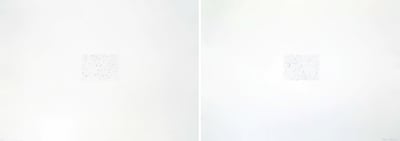
Massimo Bartolini
Dust Chaser, 2014
Limited Edition Print
Etching
EUR 1,800
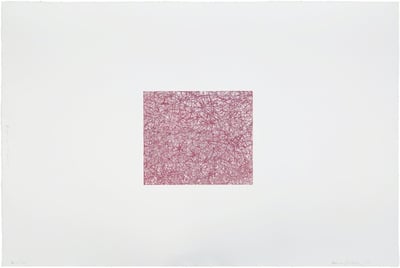
Massimo Bartolini
145 hours, 2014
Limited Edition Print
Etching
EUR 1,300
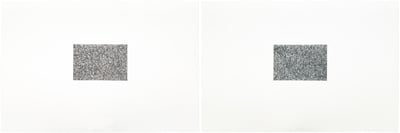
Massimo Bartolini
287 hours, 2014
Limited Edition Print
Etching
EUR 1,800
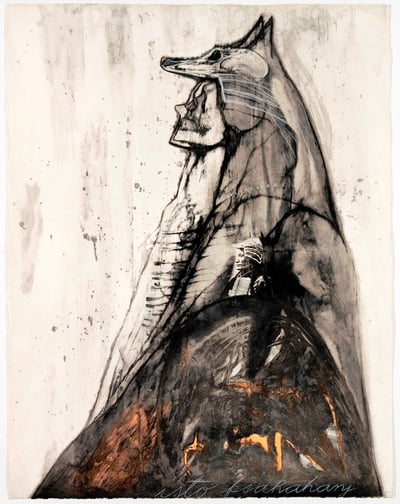
José Bedia
Isto psakahanj, 2008
Limited Edition Print
Etching
EUR 2,000
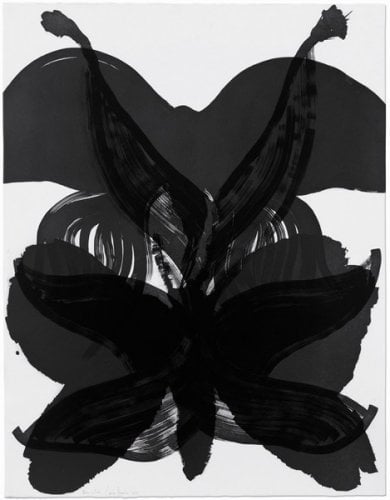
Carlos Amorales
Sin título 1 , 2008
Limited Edition Print
Etching
Currently Not Available
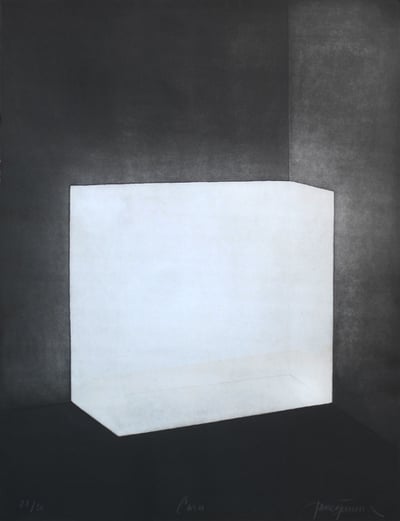
James Turrell
Carn, 1988
Limited Edition Print
Etching
Currently Not Available
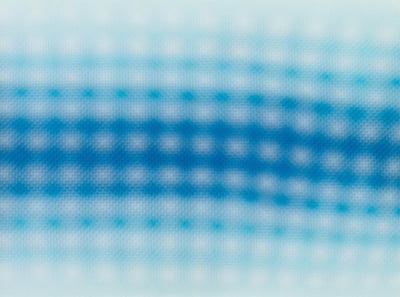
Anish Kapoor
Moiré 1, 2015
Limited Edition Print
Etching
EUR 6,500

Anish Kapoor
Moiré 2, 2015
Limited Edition Print
Etching
EUR 6,500

Anish Kapoor
Moire 3, 2015
Limited Edition Print
Etching
Currently Not Available
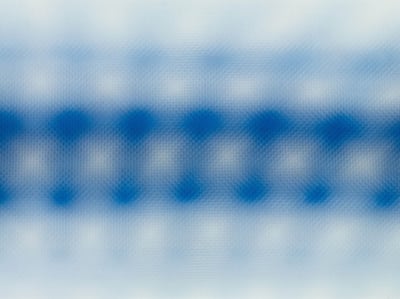
Anish Kapoor
Moiré 4, 2015
Limited Edition Print
Etching
EUR 6,500
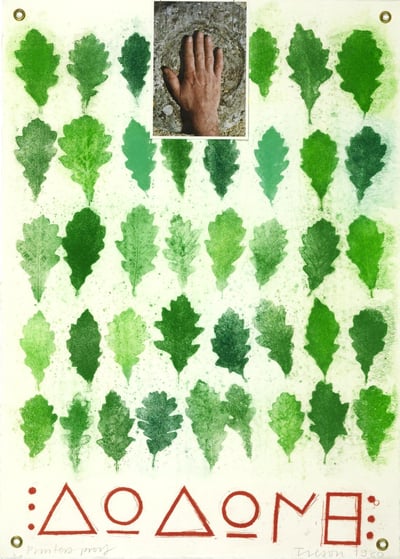
Joe Tilson
The oracle of zeus, 1980
Limited Edition Print
Etching
EUR 800
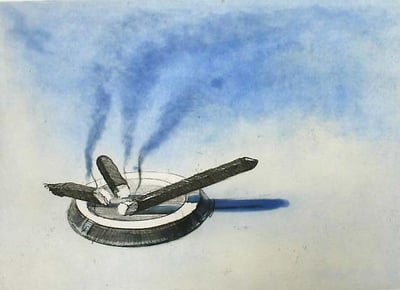
Thiebaud Wayne
Cigars, 1979
Limited Edition Print
Etching
Currently Not Available
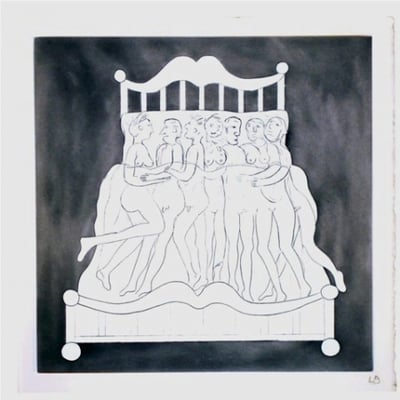
Louise Bourgeois
Metamorfosis V, 1999
Limited Edition Print
Etching
Currently Not Available
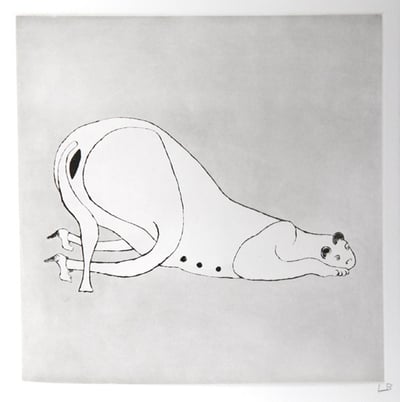
Louise Bourgeois
Metamorfosis I , 1999
Limited Edition Print
Etching
Currently Not Available
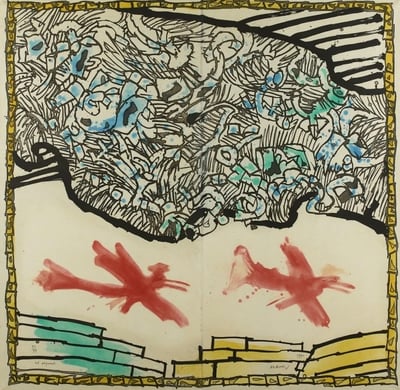
Pierre Alechinsky
Vol Augural, 1990
Limited Edition Print
Etching
EUR 22,000
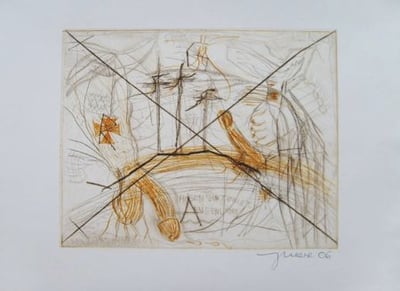
Jonathan Meese
Zwei Schwenze fur ein Halleluja, 2006
Limited Edition Print
Etching
Currently Not Available
Related Articles
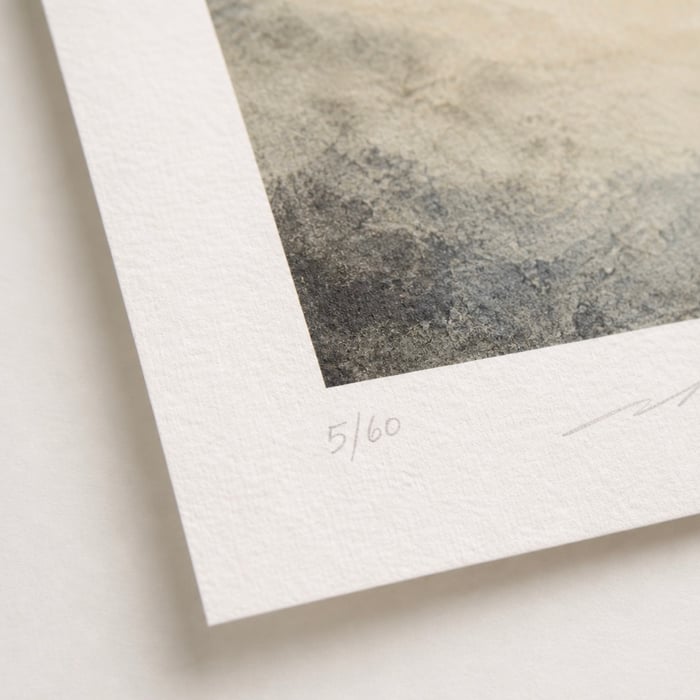


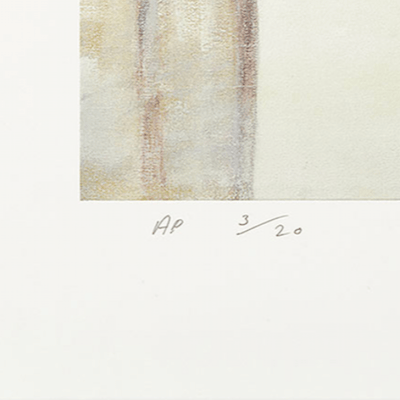
An artist proof traditionally refers to a print impression taken during the printing process to evaluate the current state of the artwork as the artist works on the plate. These proofs often show incomplete images and are sometimes called trial impressions or working proofs. However, in modern practice, an artist proof typically refers to an impression of the finished work that is identical to the numbered edition copies but is set aside for the artist's personal use. Artist proofs are usually marked A.P. and may be considered more valuable by collectors due to their limited availability.

Composition refers to the arrangement of elements within an artwork. The artist carefully organizes these elements to create a harmonious or intentionally dynamic relationship. Traditional approaches to composition often follow classical, geometric principles, while contemporary movements may experiment with new arrangements and adjustments, breaking away from conventional rules to achieve different visual effects.
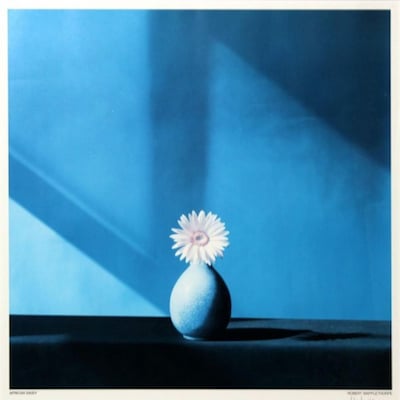
Photogravure is a high-quality printing process that involves etching a photograph onto a copper plate. The plate is inked and pressed onto paper, producing fine art prints with detailed, soft tones and rich textures. Developed in the 19th century, photogravure is renowned for its ability to create art reproductions with exceptional depth and subtlety.
Can't find your Answer?
Thank you! Your question has been sent — we'll get back to you shortly.
