
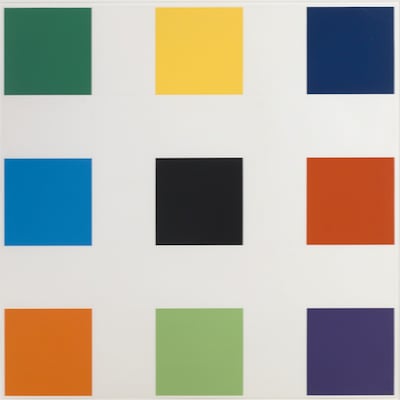
What is Hard Edge Art?
- Show All
- Established
- Discoveries
- Show All
Artworks Related to Hard Edge art
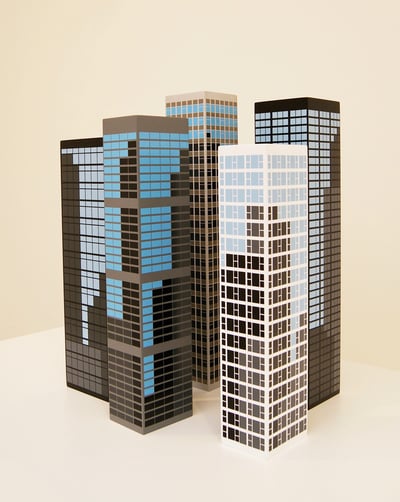
Julian Opie
modern towers, 2018
Sculpture / Object
Wood
EUR 11,000

Alberto Biasi
Torsioni Sovrapposte Noir, 2017
Sculpture / Object
Mixed Media
EUR 3,000

Paul Van Hoeydonck
Suite Olympic Centennial, 1991
Limited Edition Print
Serigraph
Currently Not Available
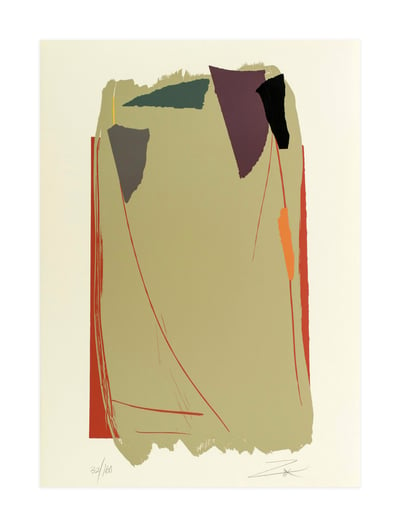
Larry Zox
Grey Sweep I, 1979
Limited Edition Print
Serigraph
Currently Not Available
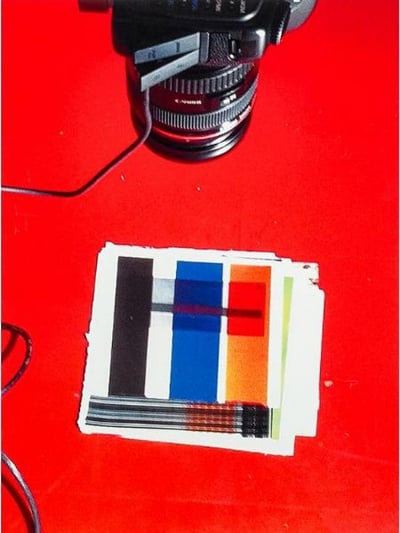
Wade Guyton
IMG_1919, 2013
Limited Edition Print
C-Print
Currently Not Available

Allan D'Arcangelo
Beginning, 1975
Limited Edition Print
Lithograph
Inquire For Price

Allan D'Arcangelo
Super Highway, 1969
Limited Edition Print
Silkscreen
USD 1,800
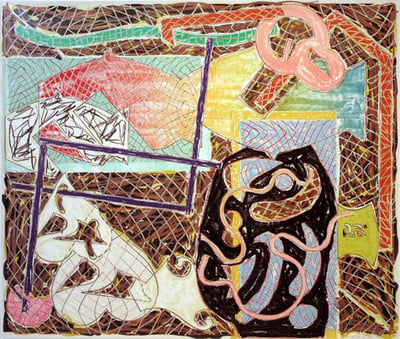
Frank Stella
Shards II, 1982
Limited Edition Print
Lithograph
USD 19,500

Olivier Mosset
Untitled (Guillotine), 2017
Limited Edition Print
Lithograph
EUR 2,000

Sol LeWitt
Arcs from Four Corners, 1986
Limited Edition Print
Woodcut
Currently Not Available
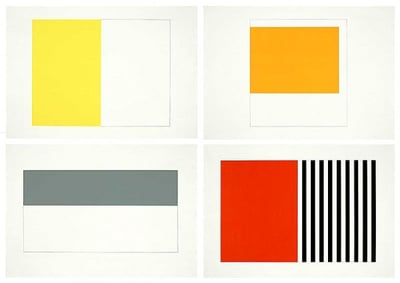
Gunther Forg
Wandmalereien Bern
Limited Edition Print
Silkscreen
Currently Not Available

Max Bill
Olympia München, 1970
Limited Edition Print
Silkscreen
Currently Not Available

Carlos Cruz-Diez
Inducción Cromática a doble frecuencia Toledo., 2017
Limited Edition Print
Lithograph
Currently Not Available
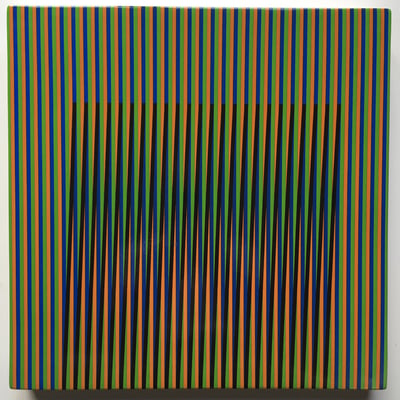
Carlos Cruz-Diez
Cerámico #4
Ceramics
Ceramic
EUR 12,000

Allan D'Arcangelo
Icarus
Limited Edition Print
Serigraph
USD 4,500

Allan D'Arcangelo
The Holy Famil, 1980
Limited Edition Print
Serigraph
USD 2,800
Related Articles


A triennial is a large-scale art exhibition that takes place every three years. These exhibitions often feature the latest artistic developments, works, and emerging artists on an international scale, involving major institutions from around the world. Triennials are significant events in the art world, offering a platform for contemporary art and fostering global cultural exchange.

Mail Art is a populist art movement centered on the creation and exchange of small-scale artworks through the postal service. It developed out of the Fluxus movement in the 1950s and 1960s and has since evolved into a global art movement. Ray Johnson is recognized as the first mail artist, and his New York School is considered the first network of mail artists. Mail artists rely heavily on a network to exchange their works, often creating a community of artists connected through the postal system.

Bricolage is the creation or construction of a piece of art using materials that are readily available to the artist. The term is French and roughly translates to do-it-yourself. This approach became popular when materials were scarce, encouraging artists to improvise and repurpose everyday objects. Bricolage emphasizes creativity and resourcefulness, often resulting in artworks that reflect the unique character of the materials used.
Can't find your Answer?
Thank you! Your question has been sent — we'll get back to you shortly.
