

What is late modernism?
- Show All
- Established
- Discoveries
- Show All
Artworks Related to Late modernism

Roberto Matta
Des Secrets Pour Changer La Vie, 1978
Limited Edition Print
Etching
EUR 1,875

Roberto Matta
Damné Par L'Arc En Ciel, 1978
Limited Edition Print
Etching
EUR 1,875

Roberto Matta
Plusieurs Autres Vies, 1978
Limited Edition Print
Etching
EUR 1,875

Roberto Matta
Attire Le Gai Venin, 1978
Limited Edition Print
Etching
EUR 1,875
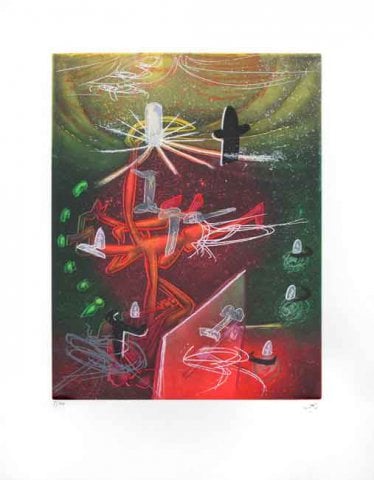
Roberto Matta
Je Fixe Des Vertiges, 1978
Limited Edition Print
Etching
EUR 1,875

Roberto Matta
Feu, Feu Sur Moi, 1978
Limited Edition Print
Etching
EUR 1,875

Roberto Matta
L'âme Est Une Inconnue, 1978
Limited Edition Print
Etching
EUR 1,875

Roberto Matta
Nous Ne Sommes Pas Au Monde, 1978
Limited Edition Print
Etching
EUR 1,875

Helena Vieira da Silva
Grottes, 1971
Limited Edition Print
Lithograph
Currently Not Available

Ellsworth Kelly
Tournes , 1973-76
Limited Edition Print
Lithograph
USD 15,000 - 19,000
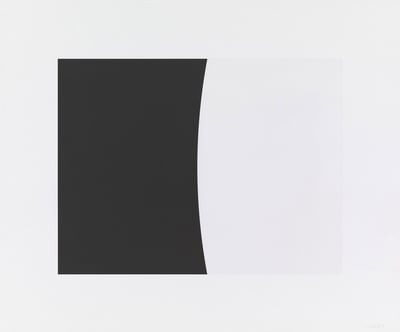
Ellsworth Kelly
Germigny , 1973-76
Limited Edition Print
Lithograph
USD 15,000 - 19,000

Robert Rauschenberg
Tribute 21 (Environment), 1994
Limited Edition Print
Lithograph
Inquire For Price

Howard Hodgkin
Cardo's Bar (black), 1979
Limited Edition Print
Mixed Media
EUR 1,450
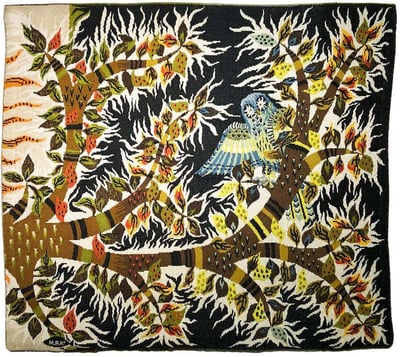
Man Ray
Nocturnal, c.1960
Tapestry
Tapestry
Currently Not Available

Georg Baselitz
Adler (Eagle) 1, 1981
Limited Edition Print
Woodcut
Inquire For Price
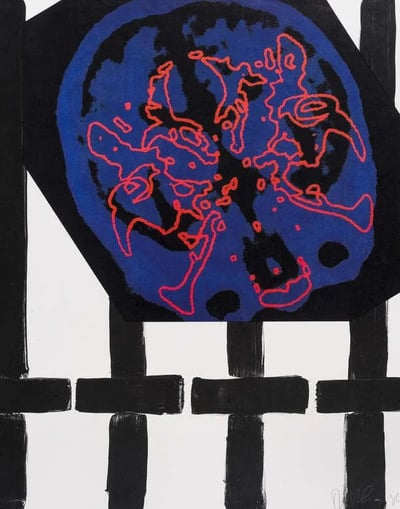
Robert Longo
Untitled (for Joseph Beuys), 1986
Limited Edition Print
Lithograph
USD 2,500
Related Articles


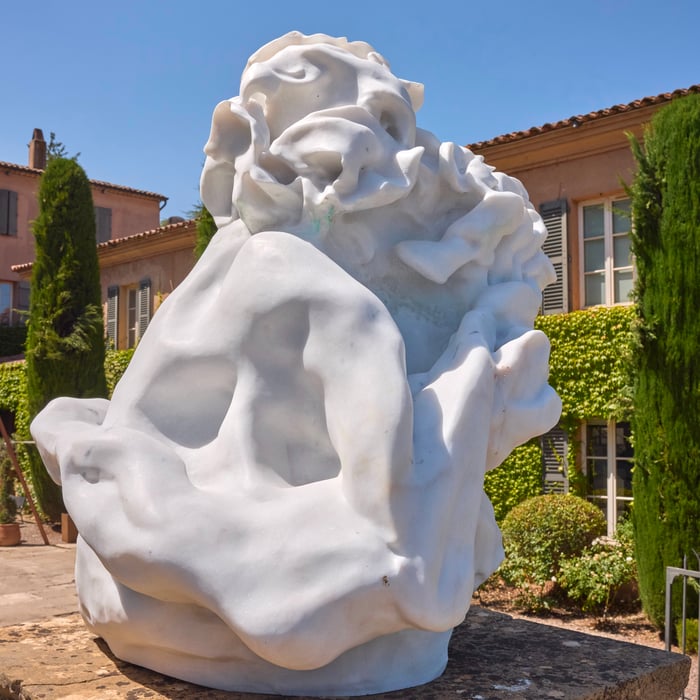

Plaster is a mixture of heat-treated powdered gypsum combined with water to create a workable material. It can be used to make solid sculptures, cast in molds, carved, modeled, or attached to other materials. Artists have used plaster for both working models and finished artworks for centuries due to its versatility.

Colour Field Painting is an abstract style characterized by large areas of a single color or simple, solid colors. The term was first used in the 1950s to describe the work of three American Abstract Expressionist painters—Barnett Newman, Mark Rothko, and Clyfford Still. Their work emphasized the emotional power of color and the creation of vast, meditative spaces through expansive color fields.
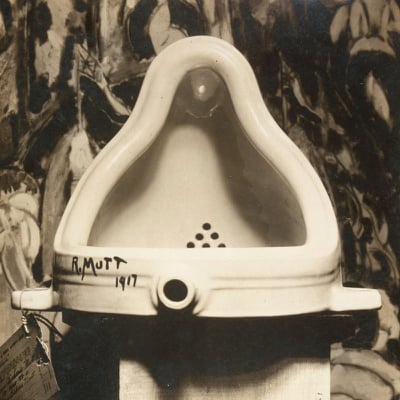
A found object is a term used to describe a man-made or natural object, or a fragment of one, that an artist discovers or purchases and keeps for inspiration or as a work of art. The artist may also modify the object or incorporate it into a collage or assemblage, transforming it into a new piece of art.
Can't find your Answer?
Thank you! Your question has been sent — we'll get back to you shortly.
