

What is late modernism?
- Show All
- Established
- Discoveries
- Show All
Artworks Related to Late modernism

Victor Vasarely
Kervilahuen-BL, 1985
Limited Edition Print
Serigraph
Artwork On Hold
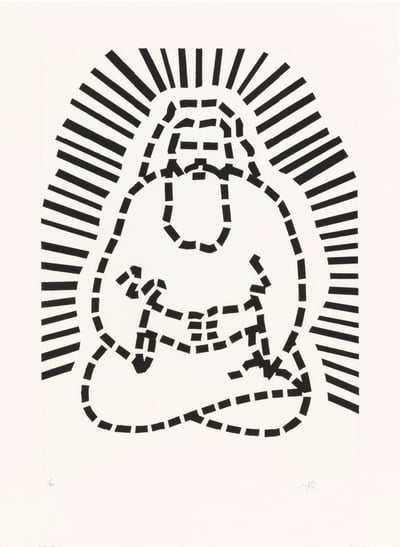
Roy Lichtenstein
Passage Du Nord-ouest, 1992
Limited Edition Print
Etching and Aquatint
USD 10,400
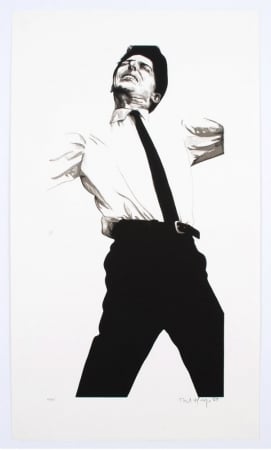
Robert Longo
Jules, 1982-83
Limited Edition Print
Lithograph
Currently Not Available
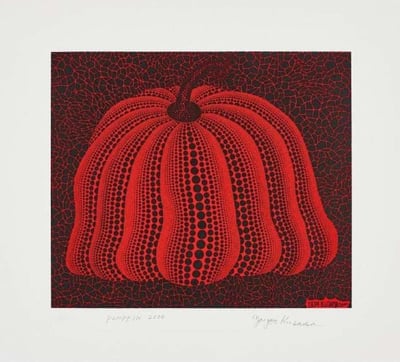
Yayoi Kusama
Pumpkin 2000 (Red), 2000
Limited Edition Print
Screen-print
Currently Not Available
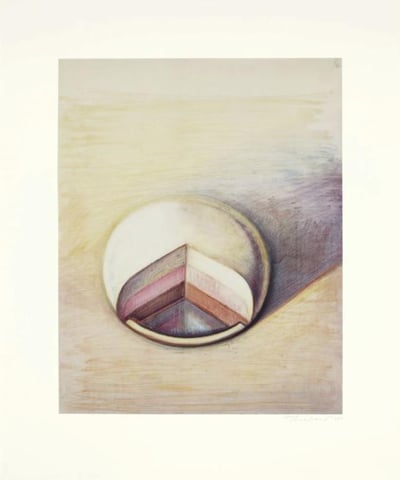
Thiebaud Wayne
Neapolitan Pie, 1990
Limited Edition Print
Lithograph
GBP 25,000 - 30,000

Roberto Matta
Music Foot (portfolio), 1990
Limited Edition Print
Lithograph
EUR 2,750

Rupprecht Geiger
Gegen die Folter
Limited Edition Print
Lithograph
Currently Not Available

Antonio Saura
Tu Cabello Es Amarillo, 1962
Limited Edition Print
Serigraph
EUR 2,250

Antonio Saura
7, Moi, Planche 7, 1976
Limited Edition Print
Serigraph
EUR 1,875

Antonio Saura
El Perro De Goya I, 1972
Limited Edition Print
Serigraph
EUR 1,875

Antonio Saura
Rompecabezas, 1984
Limited Edition Print
Mixed Media
EUR 3,125

Antonio Saura
L'Envie, 1994
Limited Edition Print
Mixed Media
EUR 1,150

Antonio Saura
1. Crucifixion, 1991
Limited Edition Print
Mixed Media
EUR 1,875
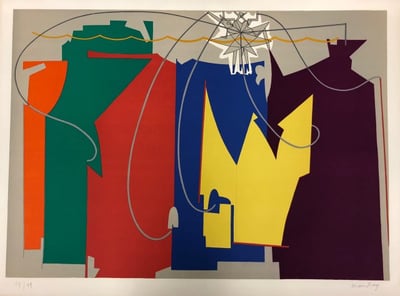
Man Ray
Danza Di Corda, 1972
Limited Edition Print
Lithograph
EUR 3,750

Jean Tinguely
Chaos I, 1973
Limited Edition Print
Etching
Currently Not Available
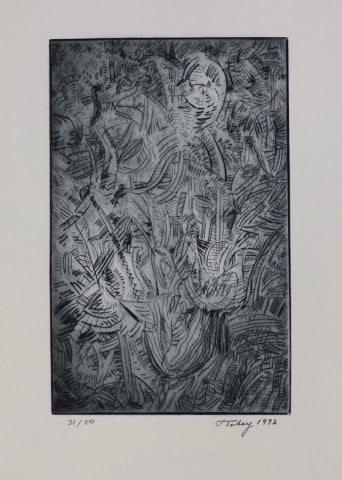
Mark Tobey
Album internacional, 1973
Limited Edition Print
Etching
EUR 850
Related Articles


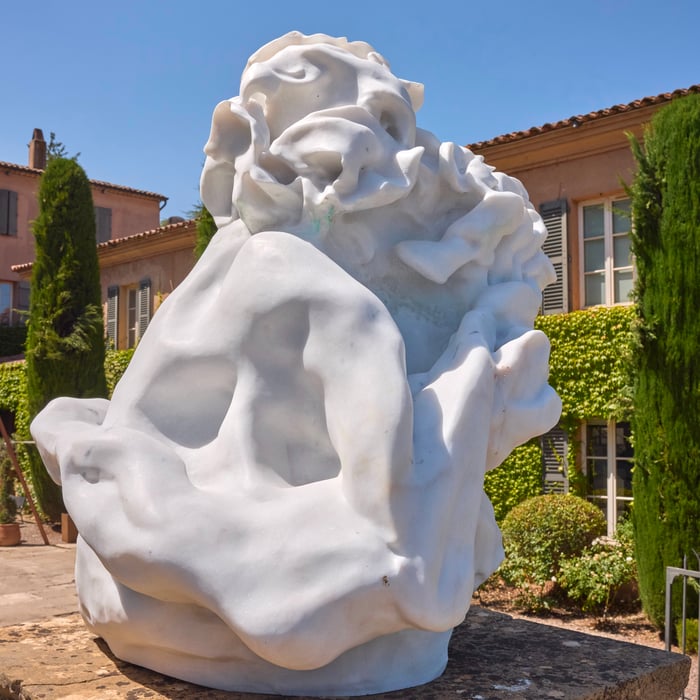
Environmental art is a collective term that refers to a wide range of artistic practices and works that engage with historical and ecological themes. The term often encompasses ecological concerns, although it is not exclusively defined by them. Environmental art acknowledges and appreciates the early history of the environmental art movement, including works with activist themes and those celebrating the connection between nature and the artist through the use of natural materials.

Chalk is a natural mineral, primarily composed of calcium carbonate. In art, chalk refers to sticks used for drawing, made from a mixture of chalk, colored pigments, and gum Arabic. These sticks are usually shaped into four flat sides for easier handling.

Collage is a production art technique commonly used in visual arts where a new artwork is created by assembling various materials. These materials can include ribbons, newspaper and magazine clippings, pieces of handmade or colored paper, photographs, text fragments, and other objects, all combined to form a cohesive whole.
Can't find your Answer?
Thank you! Your question has been sent — we'll get back to you shortly.
