

What is late modernism?
- Show All
- Established
- Discoveries
- Show All
Artworks Related to Late modernism

Victor Vasarely
The Tennis Player, 1980
Limited Edition Print
Silkscreen
USD 650

Victor Vasarely
Flower Girl, 1980
Limited Edition Print
Silkscreen
USD 2,000

Victor Vasarely
Vega
Limited Edition Print
Silkscreen
USD 780
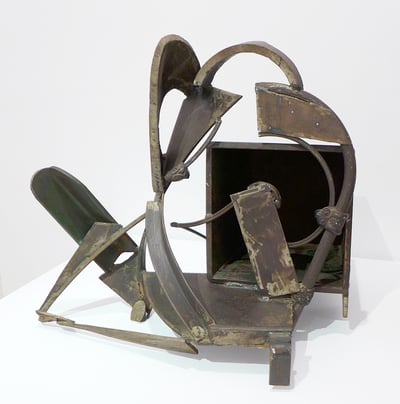
Anthony Caro
Table Piece Y-30, 1984
Sculpture / Object
Object
Inquire For Price
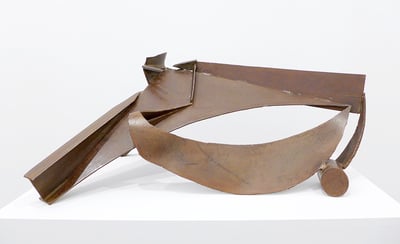
Anthony Caro
Table Piece Z-39, 1981
Sculpture / Object
Object
Inquire For Price
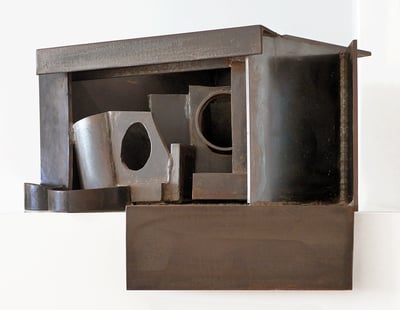
Anthony Caro
Table piece S-13, 1994
Sculpture / Object
Object
Inquire For Price
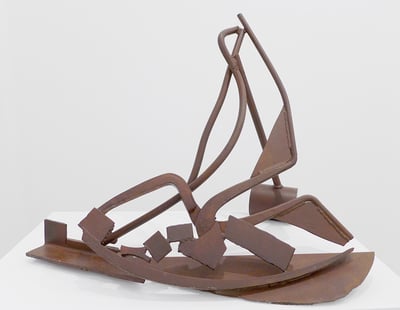
Anthony Caro
Low Table Piece CCCCXXXI, 1977
Sculpture / Object
Object
Inquire For Price

Gert & Uwe Tobias
Ohne Titel (collage), 2014
Drawing / Watercolor
Collage
EUR 2,750

Heinz Mack
Terzett (against black), 2021
Limited Edition Print
Screen-print
Currently Not Available

Victor Vasarely
Broey Neg
Limited Edition Print
Serigraph
EUR 950
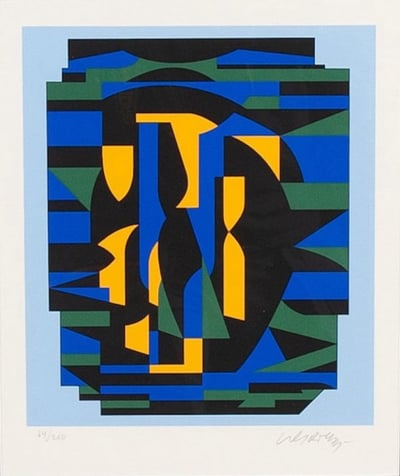
Victor Vasarely
Untitled ( From Ion)
Limited Edition Print
Serigraph
EUR 950

Henry Moore
Mother And Child XV, 1983
Limited Edition Print
Mixed Media
EUR 2,200
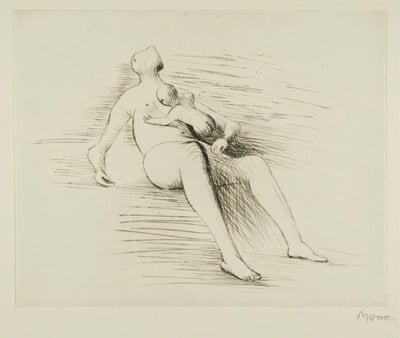
Henry Moore
Recling Mother And Child II, 1979
Limited Edition Print
Mixed Media
EUR 1,750

Henry Moore
Seated Figure IV - Reverse Lighting, 1974
Limited Edition Print
Lithograph
EUR 2,250

Henry Moore
Shipwreck II, 1973
Limited Edition Print
Lithograph
EUR 2,310

Roberto Matta
L'Explosion Qui Éclaire Mon Abime, 1978
Limited Edition Print
Etching
EUR 1,875
Related Articles


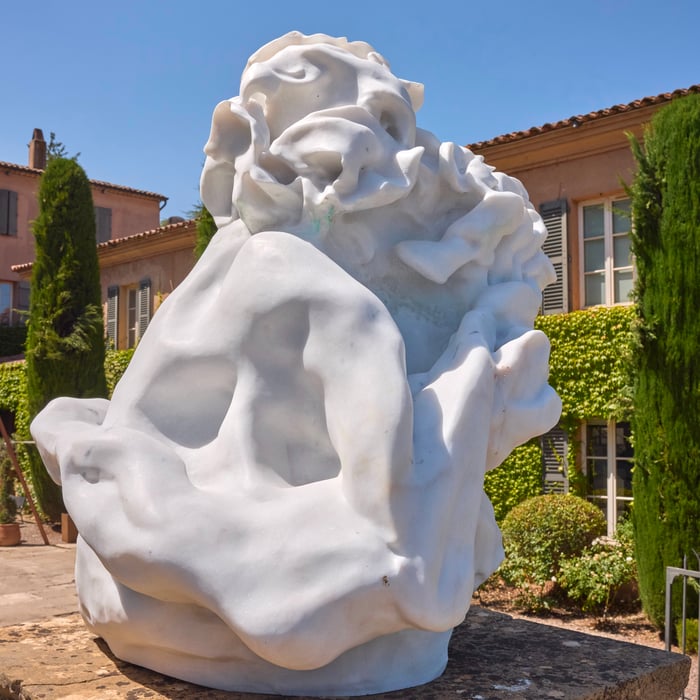

Also referred to as Earth Art, Earthworks, or Environmental Art, Land Art is a sculptural movement that involves creating artworks that integrate conceptual or physical elements of the earth or landscape into the finished piece. These works often interact directly with the environment, using natural materials and settings to explore themes related to nature, place, and time
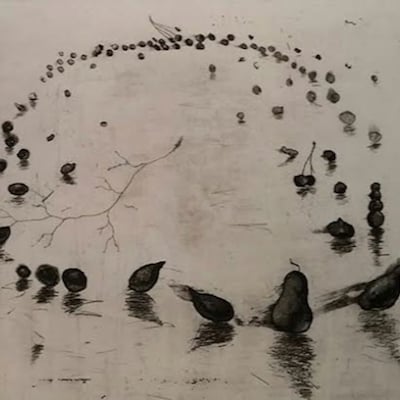
Drypoint is an intaglio printmaking technique where an image is incised onto a plate using a sharp, pointed tool, typically a needle made of metal or diamond. Traditionally, copper plates were used, but today zinc, plexiglass, or acetate are also common. Drypoint is easier for drawing artists to master compared to engraving, as the needle technique resembles drawing with a pencil rather than the more complex burin used in engraving.
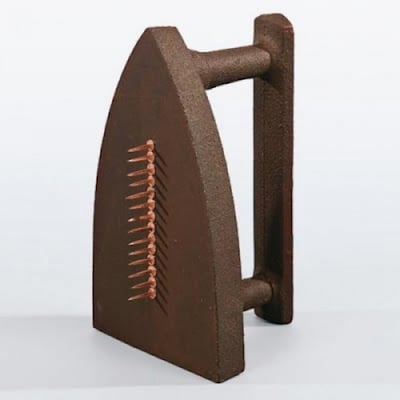
Readymade is the term coined by French artist Marcel Duchamp to describe artworks created from manufactured objects. Duchamp selected ordinary, functional items that he felt had visual indifference, turning them into art simply by choosing and presenting them in a new context. This concept challenged traditional notions of art and continues to influence artists who adopt similar approaches today.
Can't find your Answer?
Thank you! Your question has been sent — we'll get back to you shortly.
