

What is late modernism?
- Show All
- Established
- Discoveries
- Show All
Artworks Related to Late modernism

Robert Rauschenberg
Opal Gospel Panel III, 1971
Limited Edition Print
Screen-print
USD 2,400

Robert Rauschenberg
Opal Gospel Panel I, 1971
Limited Edition Print
Screen-print
USD 1,850

Gunther Uecker
Verletzungen-Verbindungen, 1998
Limited Edition Print
Screen-print
EUR 1,980
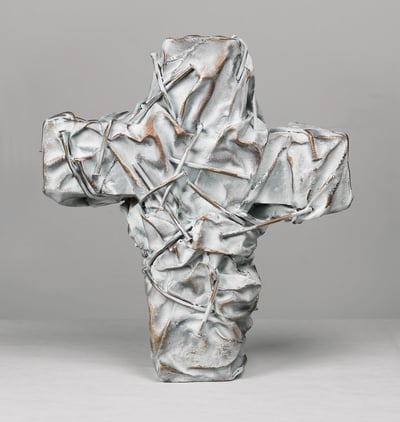
Gunther Uecker
Helles Nagelkreuz, 2017
Sculpture / Object
Bronze
EUR 49,500

Heinz Mack
Kunst im Jahr 2000, 1986
Limited Edition Print
Screen-print
Currently Not Available

Red Grooms
London Bus, 1983
Sculpture / Object
Lithograph
Currently Not Available
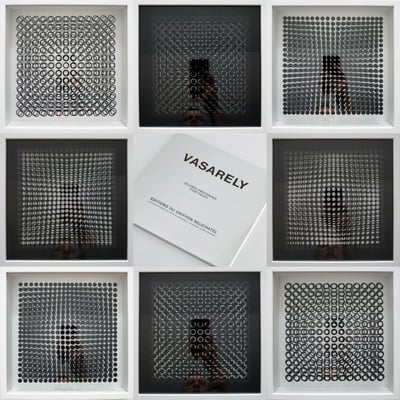
Victor Vasarely
Oeuvres Profondes Cinetiques
Limited Edition Print
Serigraph
EUR 1,500

Man Ray
Cadeau, 1921
Sculpture / Object
Mixed Media
USD 1,950
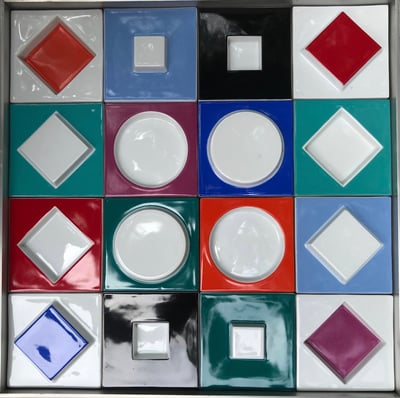
Victor Vasarely
Composition Caree Relief, 1970
Sculpture / Object
Ceramic
EUR 4,850

Marina Apollonio
Dinamica Circolare 6 S+S, 1966-2020
Sculpture / Object
Wood
EUR 3,500
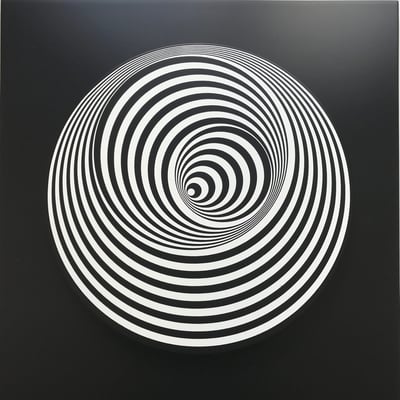
Marina Apollonio
Dinamica Circolare 6B Ruotato, 1968-2020
Sculpture / Object
Wood
Currently Not Available

Arnulf Rainer
Selbst in Waage, 1976
Limited Edition Print
Etching
EUR 3,700

Roberto Matta
Les cadeaux de la mère Noël et du père Noël, 1968–1969
Drawing / Watercolor
Mixed Media
USD 13,000 - 15,000

Jasper Johns
Ventriloquist, 1990
Limited Edition Print
Lithograph
USD 10,000 - 15,000

Jean Tinguely
Roto Zaza No. 1, 1975
Limited Edition Print
Screen-print
Currently Not Available

Henry Moore
Male figure in landscape C.470, 1977
Limited Edition Print
Lithograph
USD 5,000
Related Articles


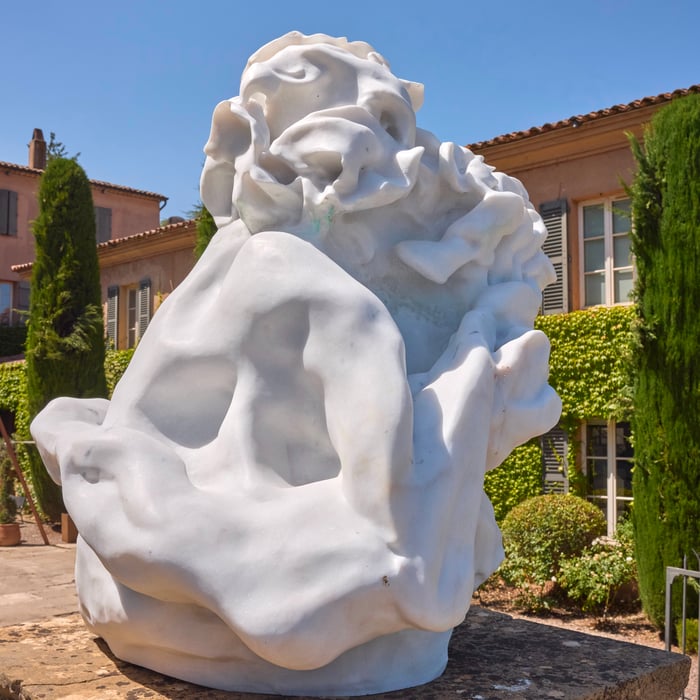
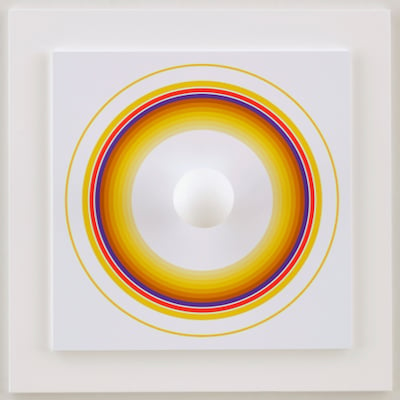
Monotype is a printmaking technique where an image is painted or drawn on a nonabsorbent, smooth surface, traditionally an etching plate of copper, but now also acrylic, zinc, or glass. The image is then transferred to paper using a printing press, creating a unique print. The first pressing removes most of the ink, making it difficult to produce additional prints with the same richness, resulting in a one-of-a-kind artwork.
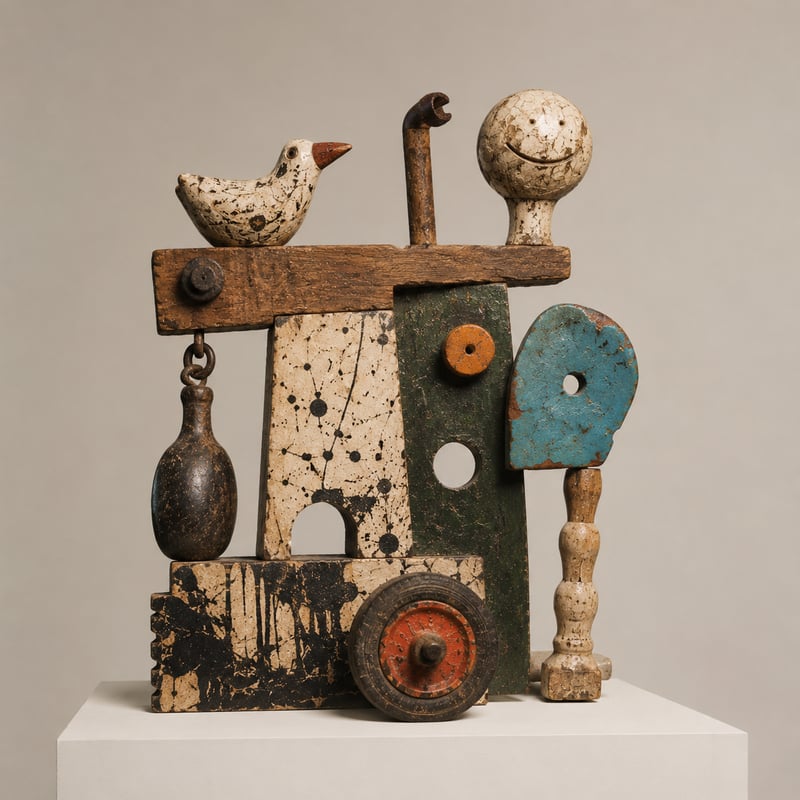
In the 1960s, Funk Art emerged as a reactive movement against Abstract Expressionism. It was widely known as an anti-establishment movement, with the name derived from the jazz term funky. This term carried both positive and negative connotations: in the jazz world, it described passion, quirkiness, and sensuality, but it could also refer to a foul odor. Funk Art was particularly popular in the California Bay Area. While the artists of the Funk Art era shared similar attitudes and styles, they did not see themselves as part of a formal group or movement.
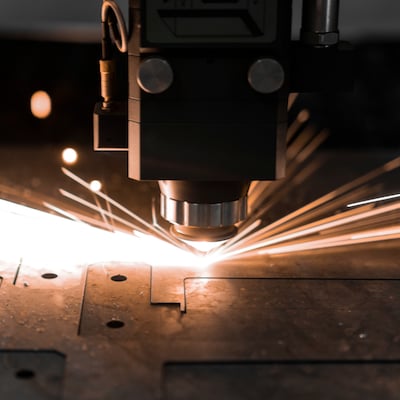
Metalcut was a relief printing technique used primarily in Europe from around 1450 to 1540. The technique involved using thin metal plates. One method involved cutting or hammering away parts of the plate that were not intended to print, while the other method used engraving to create white lines on a black background.
Can't find your Answer?
Thank you! Your question has been sent — we'll get back to you shortly.
