
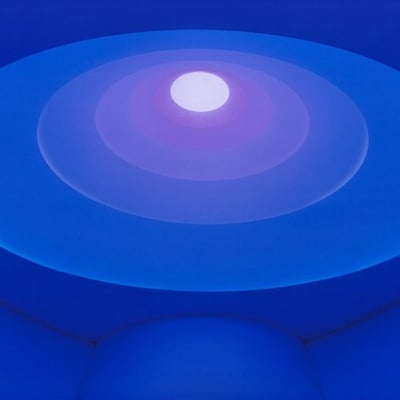
What is ‘light and space’?
- Show All
- Established
- Discoveries
- Show All
Artworks Related to Light and Space
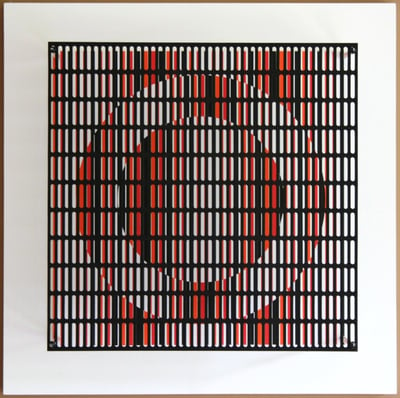
Antonio Asis
vibration cercles noir, orange et rouge, 2010
Sculpture / Object
Mixed Media
EUR 3,000
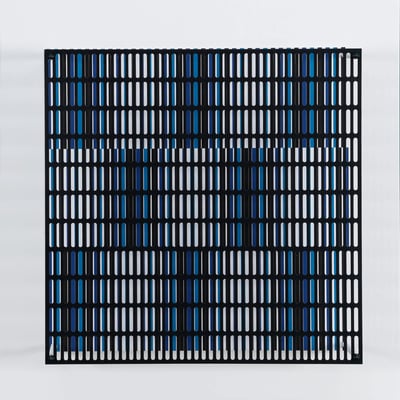
Antonio Asis
Vibration bandes noir, bleu et turquoise, 2010
Sculpture / Object
Mixed Media
EUR 3,000
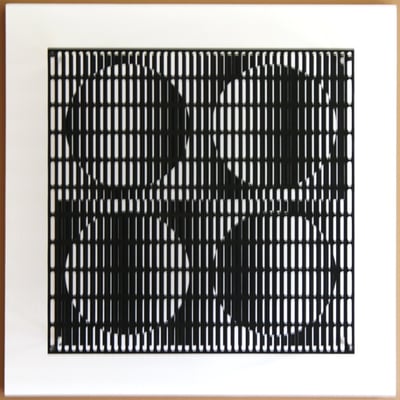
Antonio Asis
vibration 4 cercles noir et blanc, 2010
Sculpture / Object
Mixed Media
EUR 3,000
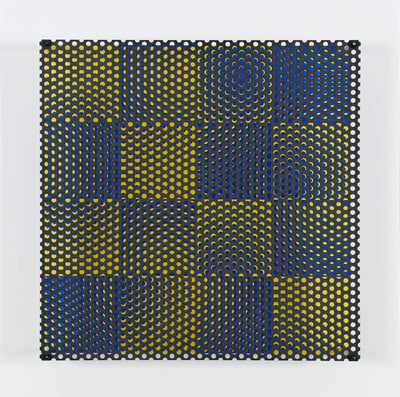
Antonio Asis
vibration 16 carres bleu et jaune, 2010
Sculpture / Object
Mixed Media
EUR 3,000
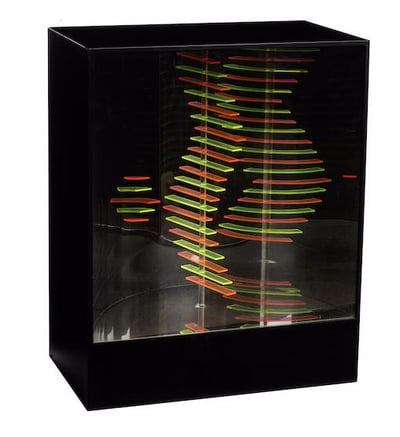
Martha Boto
Déplacement optique D, 1969
Sculpture / Object
Object
EUR 6,000
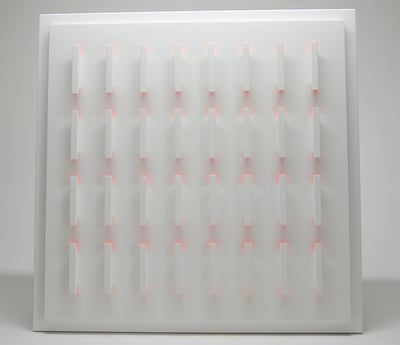
Luis Tomasello
Chromoplastique 1025, 2013
Sculpture / Object
Wood
EUR 4,000
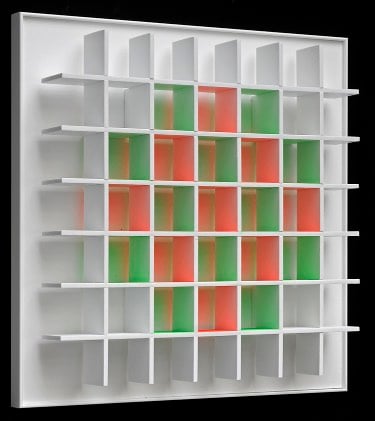
Luis Tomasello
Grille Chromoplastique B, 2012
Sculpture / Object
Mixed Media
EUR 2,000
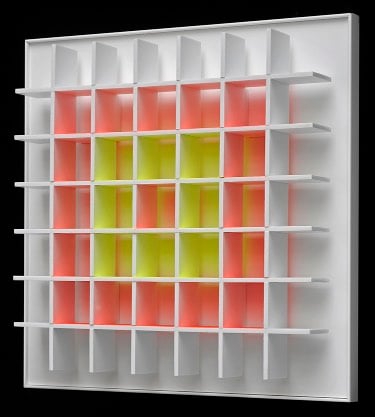
Luis Tomasello
Grille chromoplastique A, 2012
Sculpture / Object
Object
EUR 2,000

Luis Tomasello
Cube atmosphére chromoplastique, 2011
Sculpture / Object
Wood
EUR 6,000
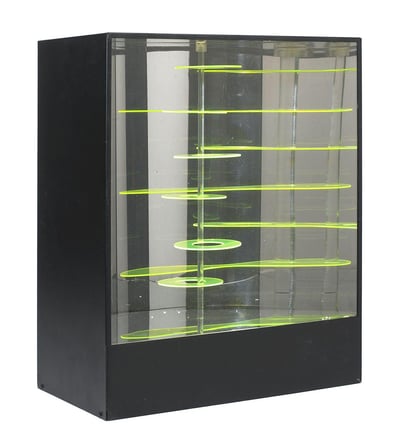
Martha Boto
Déplacement optique A, 1969
Sculpture / Object
Acrylic sculpture
EUR 6,000
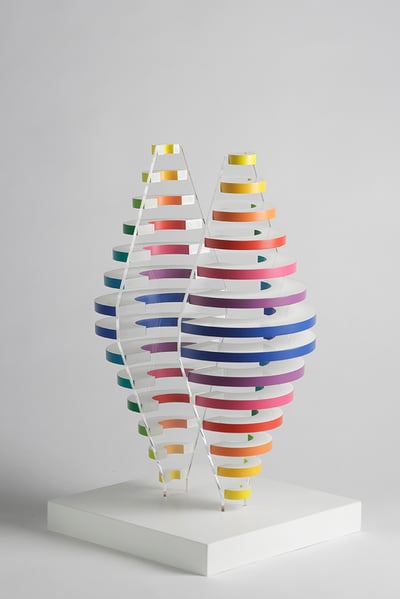
Martha Boto
2 Demi cones avec anneaux de couleurs, 1975
Sculpture / Object
Acrylic sculpture
EUR 3,500
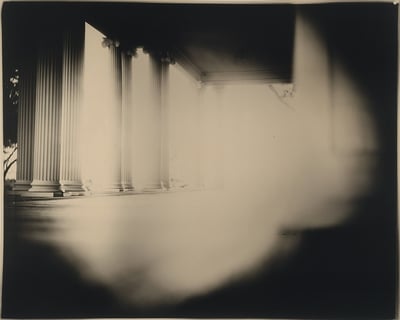
Sally Mann
Untitled (White Columns), 1998
Limited Edition Print
Lithograph
Currently Not Available
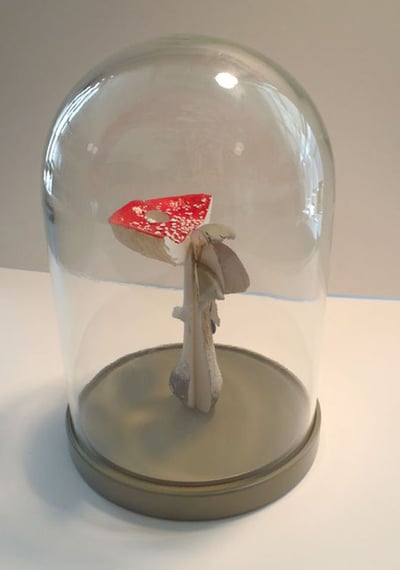
Carsten Holler
Multiple Mushroom Dome , 2012
Sculpture / Object
Mixed Media
Currently Not Available
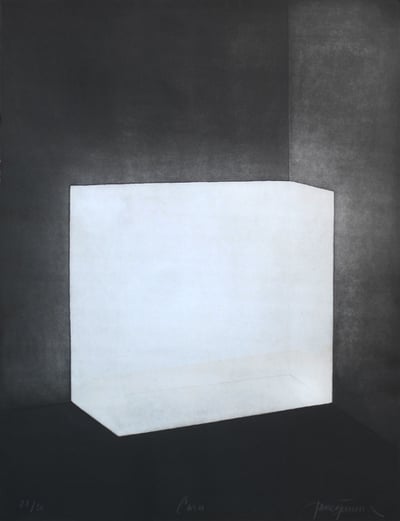
James Turrell
Carn, 1988
Limited Edition Print
Etching
Currently Not Available
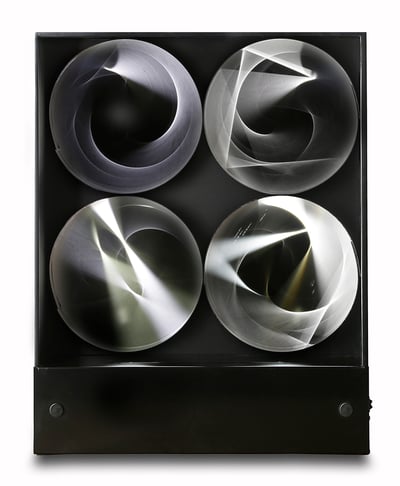
Julio Le Parc
Continuel Lumiere a Cylindres, 1962-2014
Sculpture / Object
Mixed Media
EUR 9,000

Carlos Cruz-Diez
Céramique # 2, 2008
Ceramics
Ceramic
EUR 12,000
Related Articles
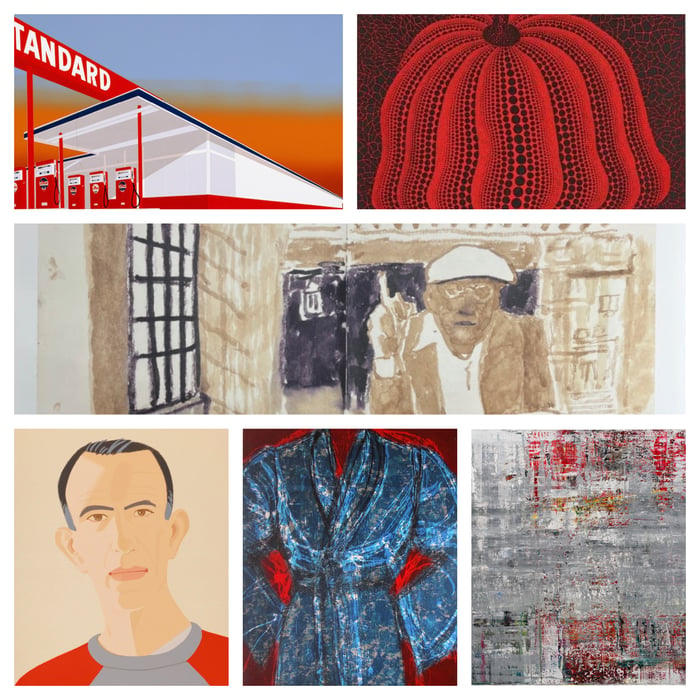
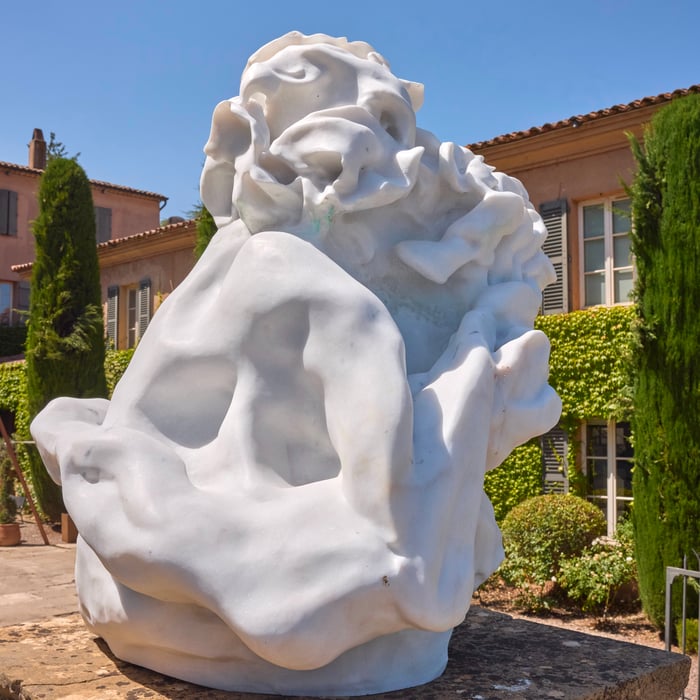

Postminimalism refers to a range of art styles that emerged in the 1960s, following the Minimalism movement. While Minimalism focused on simplicity and impersonality, Postminimalist artists retained some elements of Minimalism but also explored greater expressiveness, experimenting with new materials and techniques. This movement includes various forms of art such as conceptual art, body art, performance art, process art, and site-specific works. Postminimalism represents a shift toward more personal, tactile, and process-oriented approaches to art-making.
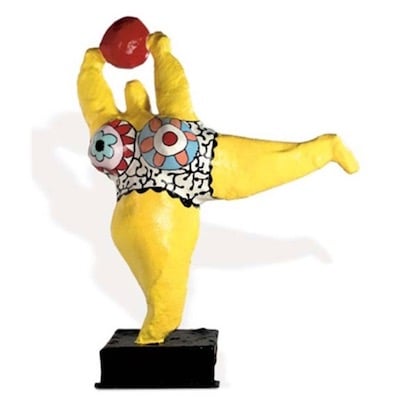
Papier-mâché is a composite material made from pieces of paper or pulp, reinforced with textiles and bound with adhesives like starch, wallpaper paste, or glue. There are two main methods to create papier-mâché: one involves layering strips of paper soaked in adhesive, while the other uses a pulp made by boiling or soaking paper and then adding glue. Though each method has a different process, both yield similar results.

Queer Aesthetics refers to an art movement that emerged in the 1980s, focusing on themes of homosexuality, lesbianism, and broader issues of identity and gender. This movement gained momentum in the context of the AIDS crisis and the feminist movement, challenging traditional representations of sexuality and gender. Queer Aesthetics often explores the fluidity of gender and identity, as seen in the works of artists like Nan Goldin, who is known for her photography of individuals with ambiguous or non-conforming gender presentations.
Can't find your Answer?
Thank you! Your question has been sent — we'll get back to you shortly.
