

Eyes Flying in the Sky, 2006
Form
Medium
Size
- Inches
- Centimeters
Edition
Price
- Authenticity Guaranteed
- Insured Shipping
- Online Since 2005

Yayoi Kusama
Flower, 1982
Limited Edition Print
Collage
Inquire For Price

Yayoi Kusama
Grapes In The City, 1989
Limited Edition Print
Screen-print
Inquire For Price
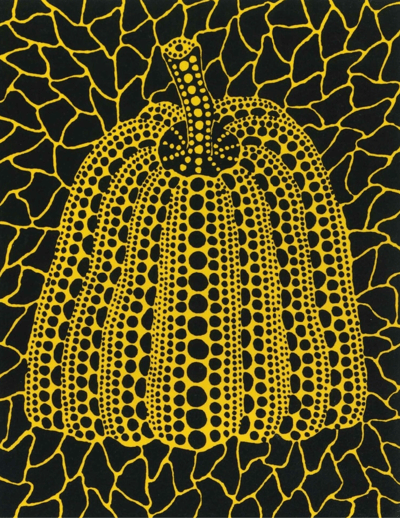
Yayoi Kusama
Pumpkin (S), 1992
Limited Edition Print
Screen-print
GBP 37,500
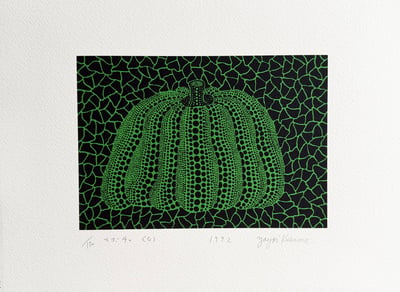
Yayoi Kusama
Pumpkin (G), 1992
Limited Edition Print
Screen-print
USD 45,750
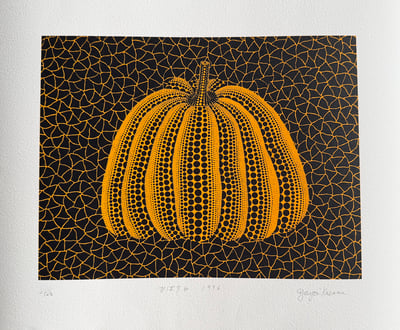
Yayoi Kusama
Pumpkin (YY), 1996
Limited Edition Print
Screen-print
USD 50,000 - 60,000
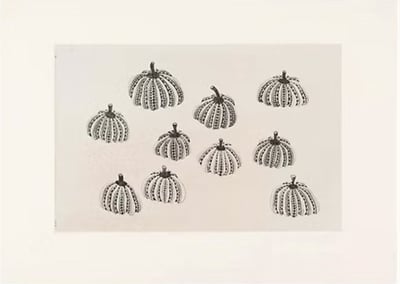
Yayoi Kusama
Pumpkin Army, 1994
Limited Edition Print
Etching
GBP 45,000 - 50,000
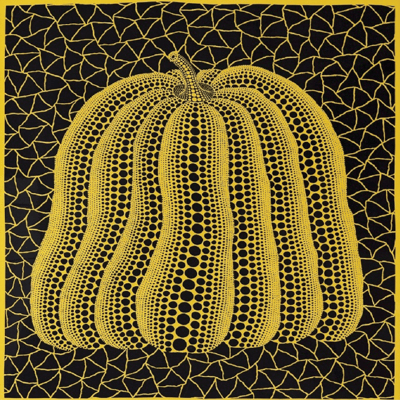
Yayoi Kusama
Shangai Expo Silk Scarf Yellow, 2010
Tapestry
Mixed Media
EUR 7,000 - 9,000

Yayoi Kusama
Red and Yellow Pumpkins, 2015
Sculpture / Object
Mixed Media
EUR 1,850
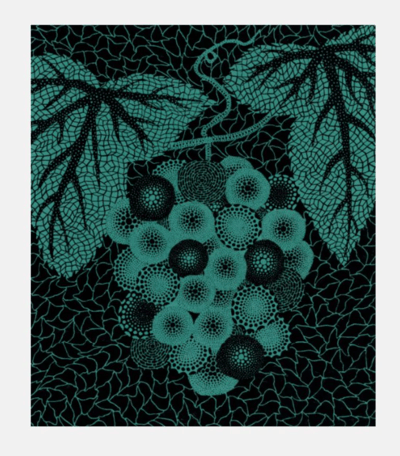
Yayoi Kusama
Grapes (Kusama 29), 1983
Limited Edition Print
Screen-print
GBP 30,000 - 40,000

Yayoi Kusama
Vase (2) (Kusama 167), 1992
Limited Edition Print
Lithograph
GBP 17,000 - 21,000
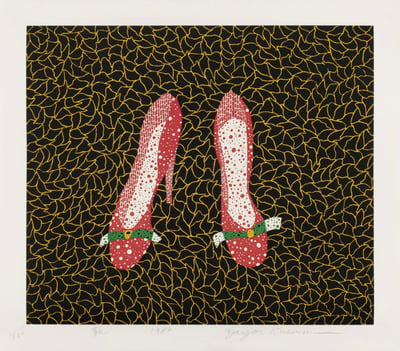
Yayoi Kusama
Shoes (Kusama 30), 1984
Limited Edition Print
Screen-print
GBP 28,000 - 35,000
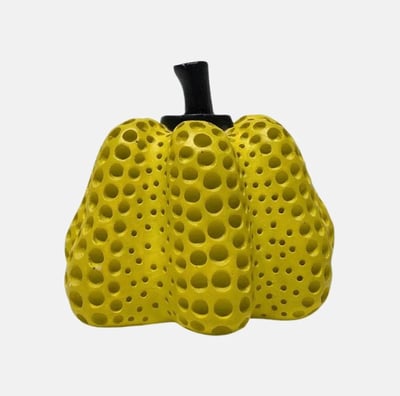
Yayoi Kusama
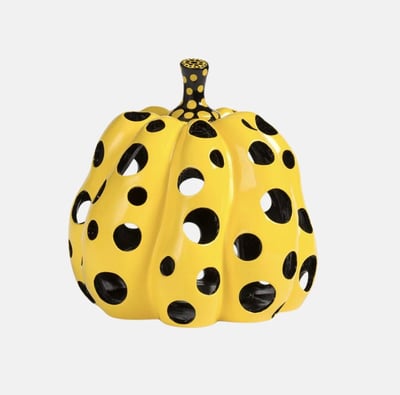
Yellow Pumpkin, 1998
Sculpture / Object
Resin
GBP 25,000 - 30,000
Yayoi Kusama
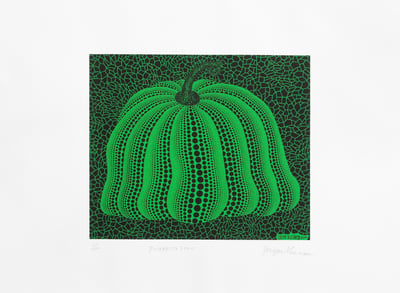
Pumpkin (NGV), 2025
Sculpture / Object
Mixed Media
GBP 12,000 - 15,000
Yayoi Kusama
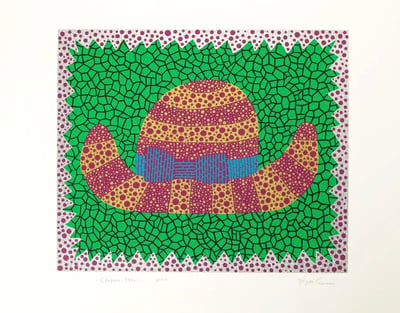
Pumpkin 2000 (Green), 2000
Limited Edition Print
Screen-print
GBP 40,000 - 60,000
Yayoi Kusama
Chapeau (II), 2000
Limited Edition Print
Screen-print
GBP 28,000 - 40,000

Yayoi Kusama
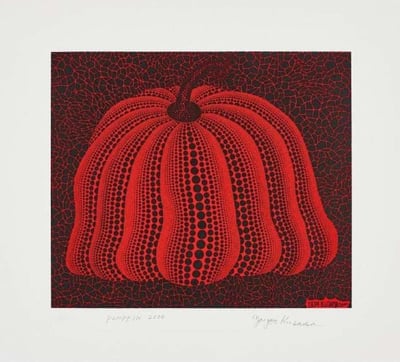
Pumpkin 2000 (Yellow), 2000
Limited Edition Print
Screen-print
Currently Not Available
Yayoi Kusama
Pumpkin 2000 (Red), 2000
Limited Edition Print
Screen-print
Currently Not Available
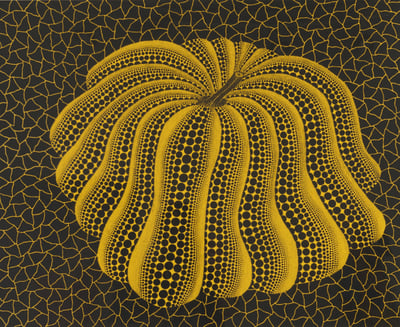
Yayoi Kusama
Pumpkin, 1993
Limited Edition Print
Screen-print
Currently Not Available
Available works by Yayoi Kusama
See all →Yayoi Kusama
Flower, 1982
Limited Edition Print
Collage
Inquire For Price
Yayoi Kusama
Grapes In The City, 1989
Limited Edition Print
Screen-print
Inquire For Price
Yayoi Kusama
Pumpkin (S), 1992
Limited Edition Print
Screen-print
GBP 37,500
Yayoi Kusama
Pumpkin (G), 1992
Limited Edition Print
Screen-print
USD 45,750
Yayoi Kusama
Pumpkin (YY), 1996
Limited Edition Print
Screen-print
USD 50,000 - 60,000
Yayoi Kusama
Pumpkin Army, 1994
Limited Edition Print
Etching
GBP 45,000 - 50,000
Related Artists


What is feminist art?
Feminist art refers to the art that emerged from the feminist art movement during the 1960s and 1970s. It developed with the intention of critiquing 20th-century gender ideals and challenging the traditional canon of art history. Feminist art seeks to create a dialogue between the artwork and the viewer through a feminist lens, often addressing issues of gender, identity, and social justic


