
What is a Lithograph?
- Show All
- Established
- Discoveries
- Show All
Artworks Related to Lithograph

David Batchelor
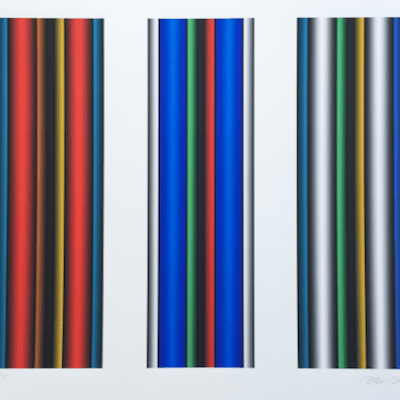
Chromoscape 8-10, 2018
Limited Edition Print
Lithograph
EUR 1,200
David Batchelor
Chromoscape 9-10, 2018
Limited Edition Print
Lithograph
EUR 1,200

David Batchelor
Chromoscape 10-10, 2018
Limited Edition Print
Lithograph
EUR 1,200

David Batchelor
Chromoscape Grey, 2018
Limited Edition Print
Lithograph
EUR 1,200

Rose Wylie
Portrait 12, 2017
Limited Edition Print
Lithograph
EUR 1,400

Rose Wylie
Portrait 11, 2017
Limited Edition Print
Lithograph
EUR 1,400

Rose Wylie
Portrait 16, 2017
Limited Edition Print
Lithograph
EUR 1,400

Rose Wylie
Portrait 13, 2017
Limited Edition Print
Lithograph
EUR 1,400

Rose Wylie
Portrait 14, 2017
Limited Edition Print
Lithograph
EUR 1,400

Rose Wylie
Portrait 15, 2017
Limited Edition Print
Lithograph
EUR 1,400

Rose Wylie
Portrait 17, 2017
Limited Edition Print
Lithograph
EUR 1,400

Rose Wylie
Portrait 18, 2017
Limited Edition Print
Lithograph
EUR 1,400
Rose Wylie
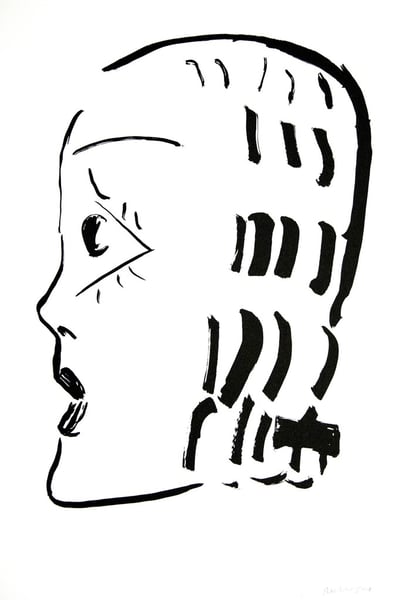
Portrait 19, 2017
Limited Edition Print
Lithograph
EUR 1,400

Rose Wylie
Portrait 20, 2017
Limited Edition Print
Lithograph
EUR 1,400

Luis Tomasello
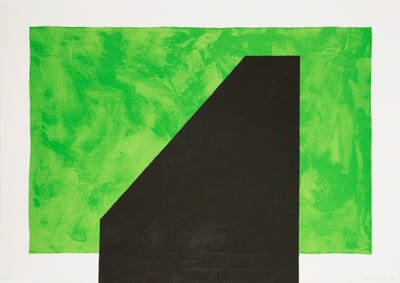
S/T 1 - Verde, 2013
Limited Edition Print
Lithograph
EUR 3,000
Ivan Navarro
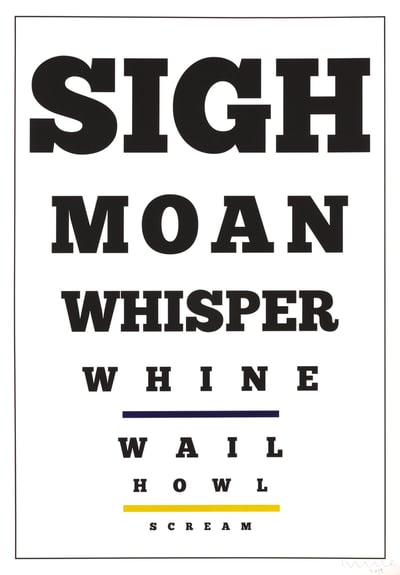
Carta Visual (Sign), 2019
Limited Edition Print
Lithograph
EUR 2,000
Related Articles


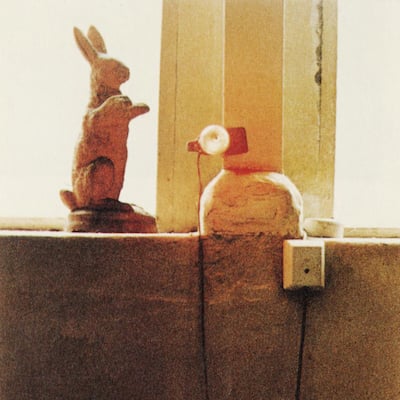
Derived from the Latin word meaning flow, Fluxus is an international movement of designers, composers, and artists known for blending various artistic disciplines and media during the 1960s. The movement remains active in visual art, performance, design, architecture, urban planning, and other creative fields. Fluxus is sometimes referred to as nter-media and continues to play a pivotal role in expanding the definitions of what art can be.
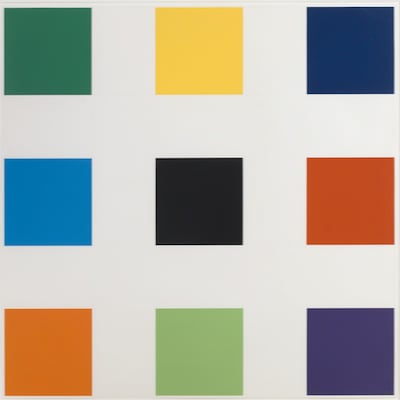
Hard Edge art is a style of abstract painting that became popular in the 1960s. It features areas of color separated by crisp, sharp edges that are painted with geometric precision. The term hard-edge painting was coined by art critic Jules Langsner to describe this approach, which contrasts with the softer, more fluid forms of other abstract styles.
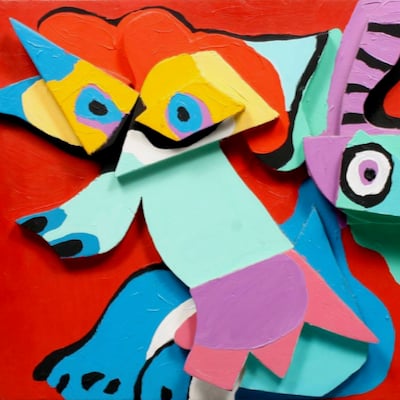
CoBrA stands for Copenhagen, Brussels, and Amsterdam; the group was formed with a desire to break away from the existing art movements of the time. Their critique of Western society led them to experiment and evolve into a significant international movement. CoBrA was founded on November 8, 1948, at the Notre Dame Café in Paris, where its manifesto was signed by Karel Appel, Joseph Noiret, Corneille, Christian Dotremont, Constant, and Asger Jorn. The group was united by a shared commitment to freedom in both form and color, and their work emphasized experimentation and spontaneity.
Can't find your Answer?
Thank you! Your question has been sent — we'll get back to you shortly.
