
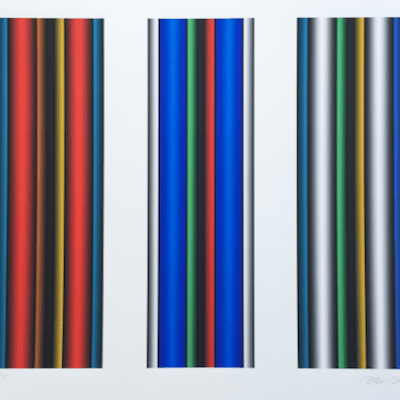
What is a Lithograph?
- Show All
- Established
- Discoveries
- Show All
Artworks Related to Lithograph
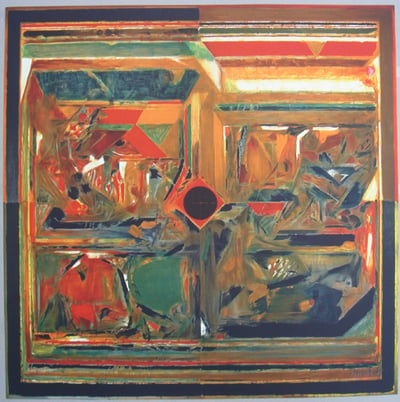
S.H. Raza
Symboles 4, 2007
Limited Edition Print
Lithograph
EUR 1,200
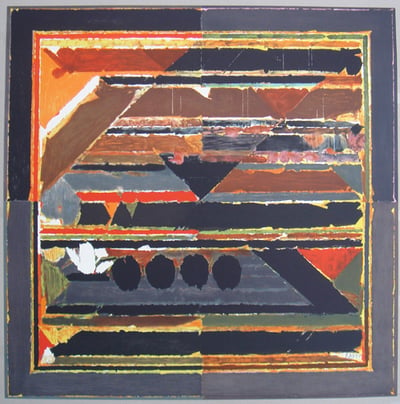
S.H. Raza
Symboles 3, 2007
Limited Edition Print
Lithograph
Currently Not Available
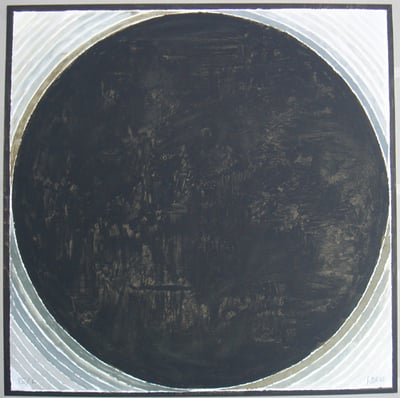
S.H. Raza
Symboles 2, 2007
Limited Edition Print
Lithograph
EUR 1,200
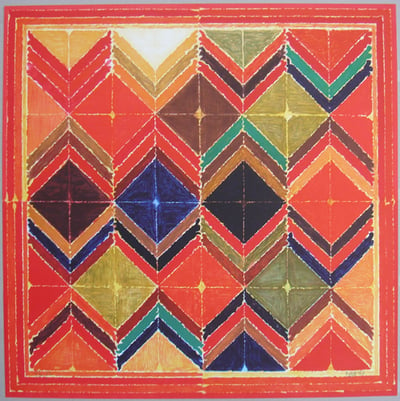
S.H. Raza
symboles 1, 2007
Limited Edition Print
Lithograph
EUR 1,200
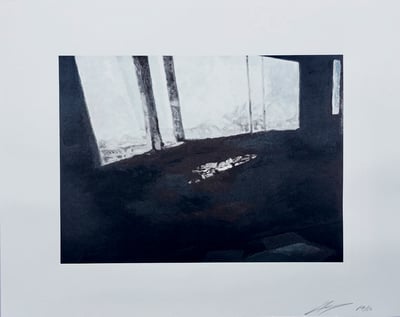
Luc Tuymans
Fenetre, 2012
Limited Edition Print
Lithograph
EUR 2,200
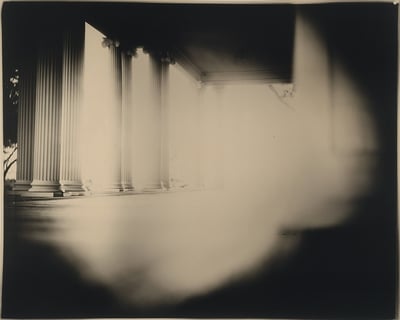
Sally Mann
Untitled (White Columns), 1998
Limited Edition Print
Lithograph
Currently Not Available
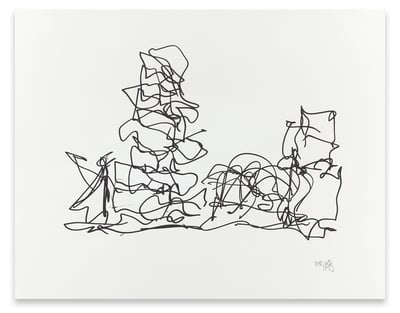
Frank Gehry
Brooklyn Atlantic Yards Masterplan, 2009
Limited Edition Print
Lithograph
Currently Not Available
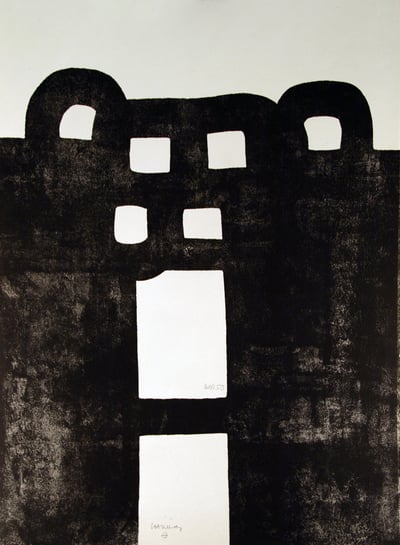
Eduardo Chillida
Gurutze Gorria, 1984
Limited Edition Print
Lithograph
Currently Not Available
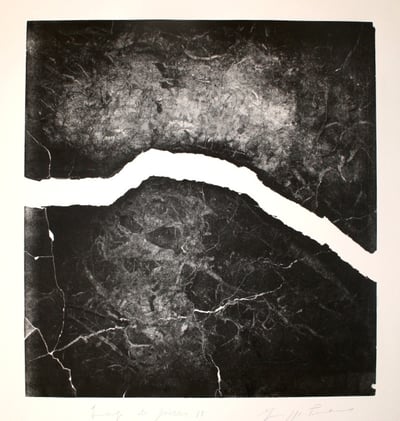
Penone Giuseppe
Empreinte de Pierre, 2011
Limited Edition Print
Lithograph
Currently Not Available
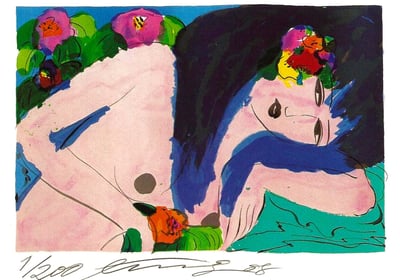
Walasse Ting
Untitled WT EP 20, 1985
Limited Edition Print
Lithograph
EUR 1,490
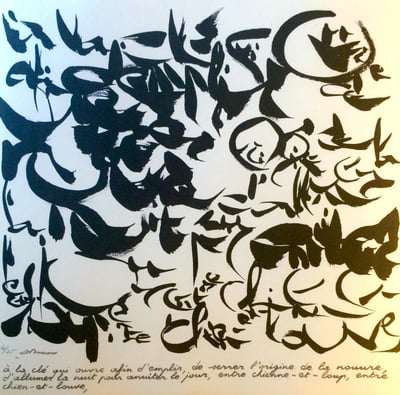
Christian Dotremont
A la clé qui ouvre…, 1978
Limited Edition Print
Lithograph
Currently Not Available
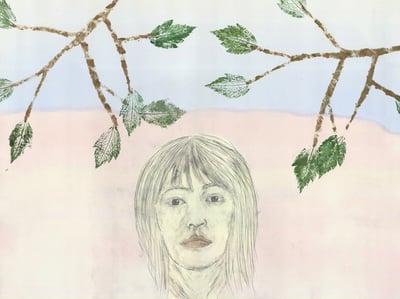
Kiki Smith
Moment B, 2006
Limited Edition Print
Lithograph
Currently Not Available
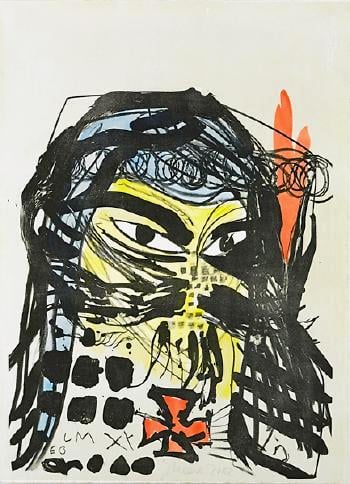
Jonathan Meese
Heilbuttn’s der Kunst - Formzucki, 2012
Limited Edition Print
Lithograph
EUR 750
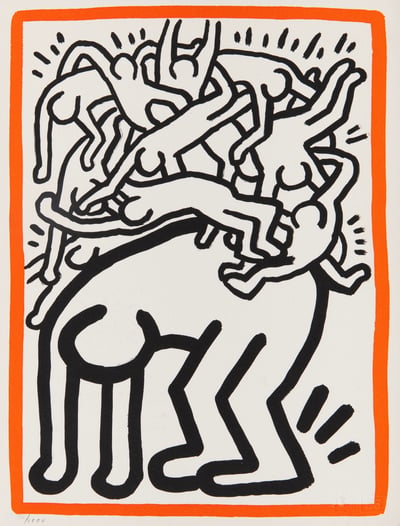
Keith Haring
Fight Aids Worldwide, 1990
Limited Edition Print
Lithograph
EUR 6,250
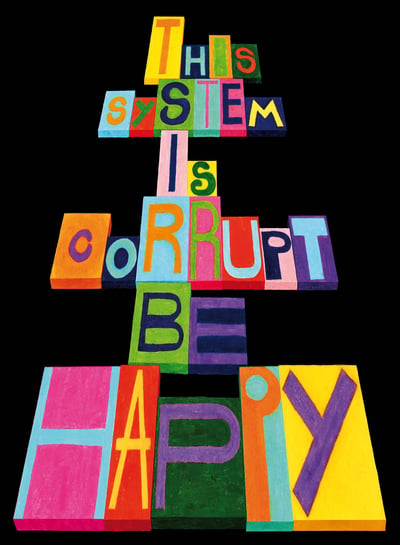
Delphine Boel
This System is Corrupt Be Happy...The Dark Side, 2007
Limited Edition Print
Lithograph
Currently Not Available
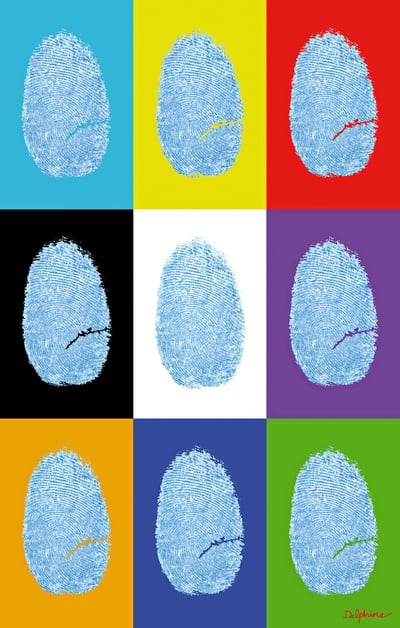
Delphine Boel
Source of Identity, 2003
Limited Edition Print
Lithograph
Currently Not Available
Related Articles
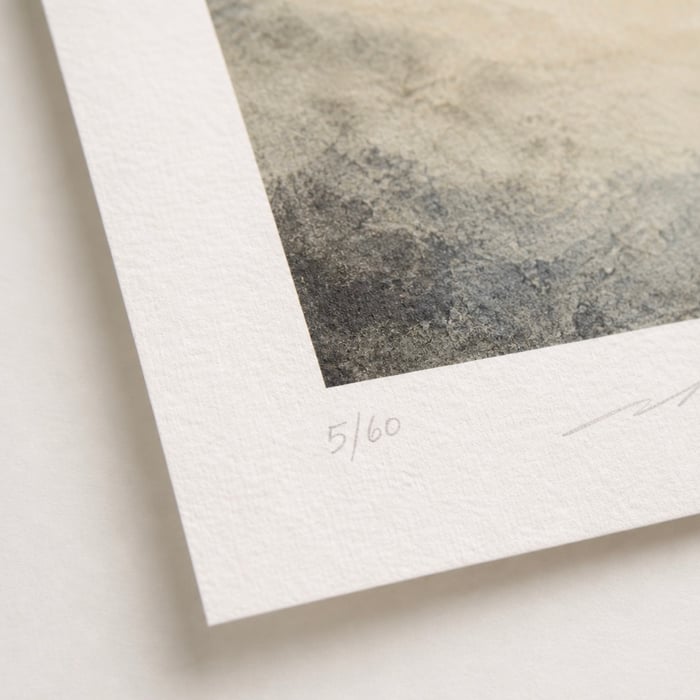


Monoprinting is a printmaking technique where a single impression is created from a re-printable surface, such as a lithographic stone, wood block, or metal plate. Unlike traditional printmaking, where multiple copies are produced, monoprinting results in a unique image. Techniques used in monoprinting include etching, lithography, and woodcut, but the key characteristic is that each print is one-of-a-kind.

A print proof refers to any test impressions made from a printing plate or block to check the image quality before the final print is completed. These proofs are used as quality checks to ensure that the details and alignment are correct. Different types of proofs, such as artist's proofs or trial proofs, serve specific purposes during the printmaking process.

Live art is a form of performance that began in the 1960s and is generally exploratory and innovative. It involves a single artist or an artist group presenting the work before a live audience. The performances can include humans, animals, and living plants, often blurring the boundaries between art and life, and encouraging interaction with the audience.
Can't find your Answer?
Thank you! Your question has been sent — we'll get back to you shortly.
