
What is conceptual art?
- Show All
- Established
- Discoveries
- Show All
Artworks Related to Conceptual art
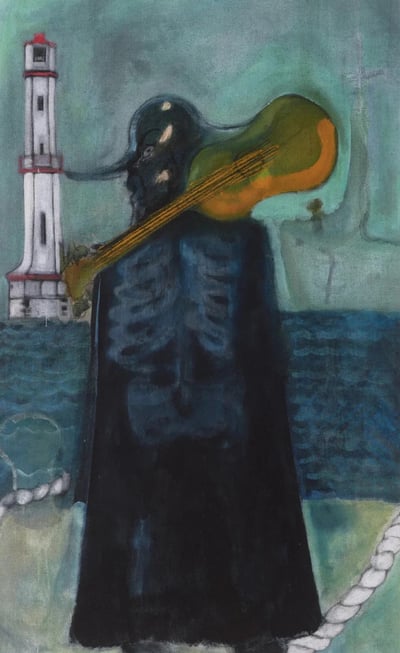
Peter Doig
Shadow, 2026
Limited Edition Print
Giclée printing
GBP 5,500 - 7,000
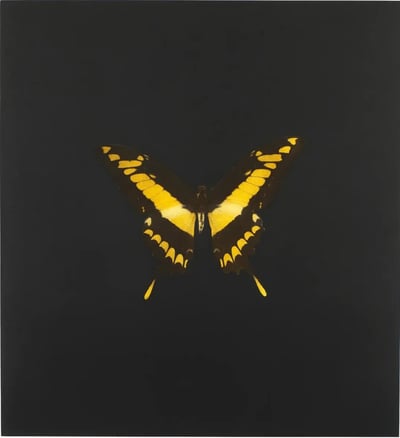
Damien Hirst
The Souls on Jacob’s Ladder Take Their Flight, 2007
Limited Edition Print
Etching
GBP 16,000 - 20,000
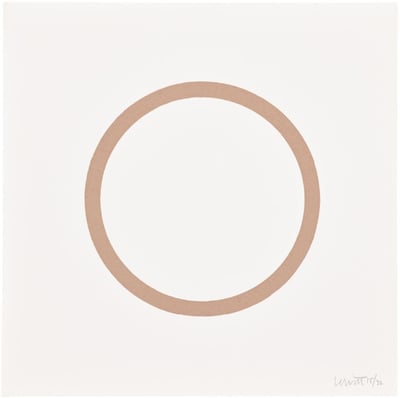
Sol LeWitt
Plate 1 (from Five Geometric Figures in Five Colors), 1986
Limited Edition Print
Screen-print
USD 1,200

Sol LeWitt
Plate 7 (from Five Geometric Figures in Five Colors), 1986
Limited Edition Print
Screen-print
USD 1,200

Sol LeWitt
Plate 7 (from Five Geometric Figures in Five Colors), 1986
Limited Edition Print
Screen-print
USD 1,200

Sol LeWitt
Plate 15 (from Five Geometric Figures in Five Colors), 1986
Limited Edition Print
Screen-print
USD 1,200
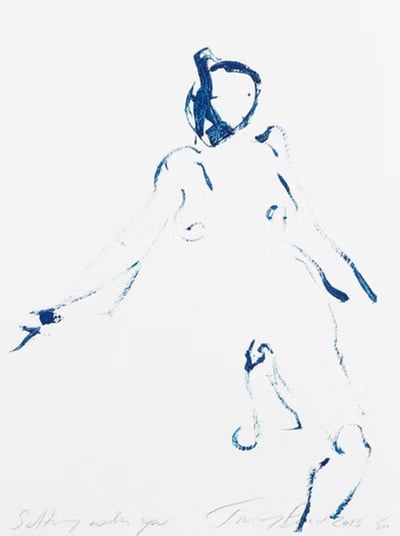
Tracey Emin
Sitting with You, 2013
Limited Edition Print
Etching
GBP 4,800 - 6,200
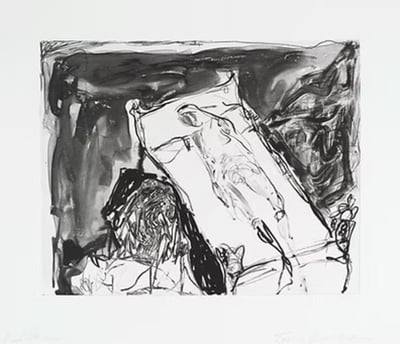
Tracey Emin
I Was Left Sleeping, 2017
Limited Edition Print
Lithograph
GBP 4,500 - 5,800
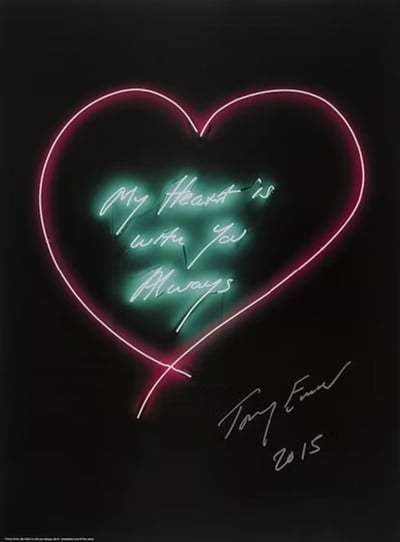
Tracey Emin
Framed My Heart Is With You Always, 2015
Limited Edition Print
Lithograph
GBP 2,950 - 3,800
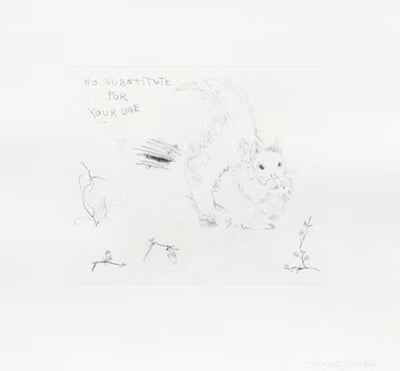
Tracey Emin
No Substitute For Your Love, 2003
Limited Edition Print
Etching
GBP 5,500 - 7,100
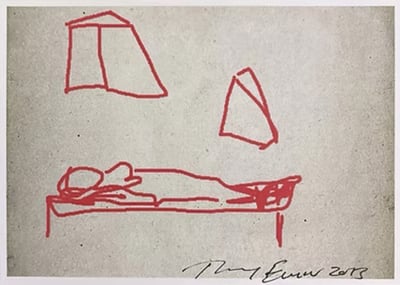
Tracey Emin
Nativity iPad Drawing, 2013
Limited Edition Print
Mixed Media
GBP 750
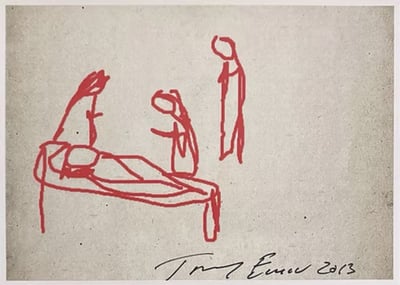
Tracey Emin
Nativity iPad Drawing, 2013
Limited Edition Print
Giclée printing
GBP 1,000
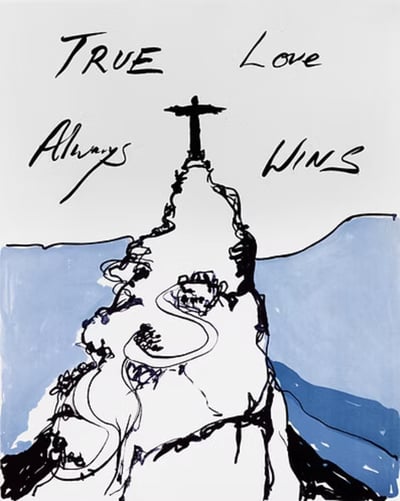
Tracey Emin
True Love Always Wins, 2016
Limited Edition Print
Lithograph
GBP 6,500 - 8,400
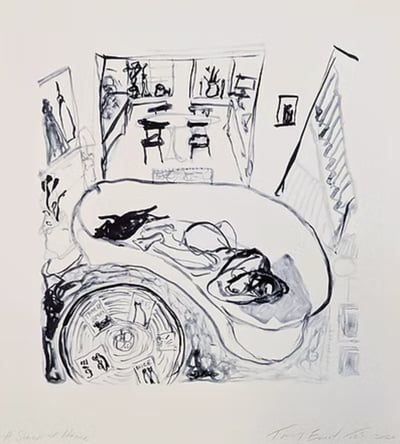
Tracey Emin
A Sleep at Home, 2026
Limited Edition Print
Lithograph
GBP 6,500 - 8,400
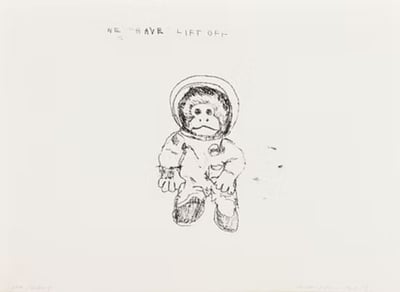
Tracey Emin
Space Monkey, 2009
Limited Edition Print
Mixed Media
GBP 8,500 - 11,000

Tracey Emin
For You, 2010
Limited Edition Print
Etching
GBP 4,500 - 5,800
Related Articles




De Stijl, meaning The Style, was a group of Dutch artists who created abstract art based on strict adherence to vertical and horizontal geometry. The group was founded by Piet Mondrian and Theo van Doesburg in 1917. Mondrian eventually left De Stijl when Van Doesburg began incorporating diagonal geometry into his work, which Mondrian felt deviated from the group's principles.

Body art involves creating art directly on or with the human body. Common forms include body piercings and tattoos, but it also encompasses practices like branding, scarification, scalping, body painting, full-body tattoos, body shaping, and sub-dermal implants. Body art can also refer to a subcategory of performance art where the artist's body is central to the artwork.

Spatialism is an art movement that originated in Italy in 1947, founded by Lucio Fontana with the intention of synthesizing sound, color, movement, and space into a new form of art. The movement's central ideas were outlined in Fontana's first manifesto, published in 1947, where he introduced the concept of spatial art to capture the spirit of the post-war era. His ideas were further developed in five subsequent manifestos. Although Fontana's ideas were sometimes considered vague, his influence was significant, as he was one of the first European artists to emphasize art as a performance and gesture.
Can't find your Answer?
Thank you! Your question has been sent — we'll get back to you shortly.
