
What is conceptual art?
- Show All
- Established
- Discoveries
- Show All
Artworks Related to Conceptual art

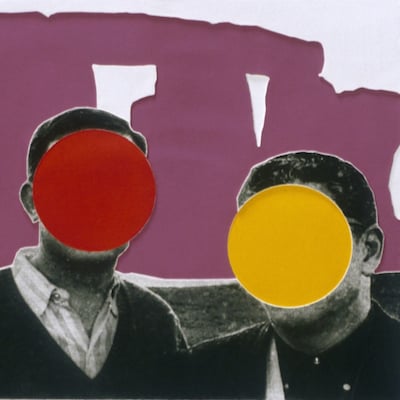
Vik Muniz
Flora Industrialis B/N, 2026
Photography
Photograph
EUR 25,000
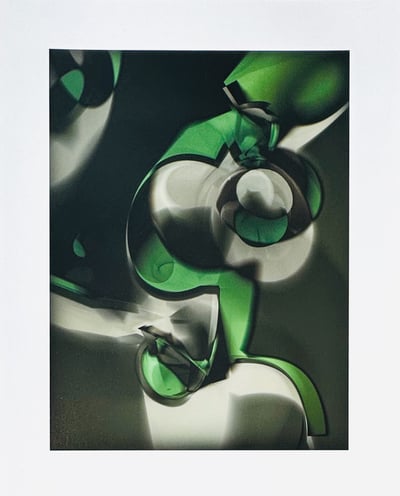
Thomas Ruff
phg.s.01, 2012-2020
Photography
C-Print
EUR 1,350
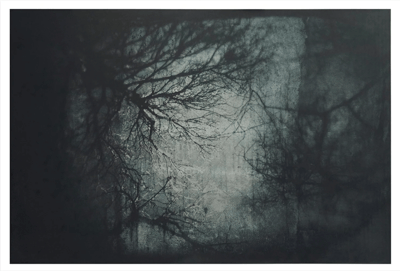
James Turrell
Aqua Oscura (Winter), 2015
Limited Edition Print
Etching
GBP 7,800 - 10,000
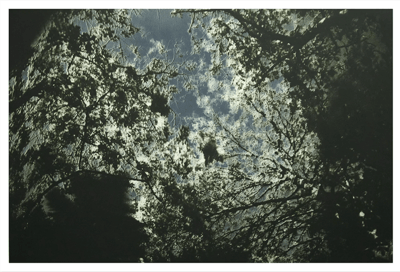
James Turrell
Aqua Oscura (Summer), 2015
Limited Edition Print
Etching
GBP 7,800 - 10,000
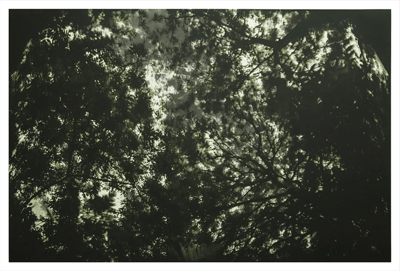
James Turrell
Aqua Oscura (Autumn), 2015
Limited Edition Print
Etching
GBP 7,800 - 10,000
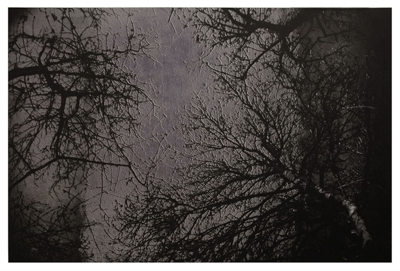
James Turrell
Aqua Oscura (Spring), 2015
Limited Edition Print
Etching
GBP 7,800 - 10,000
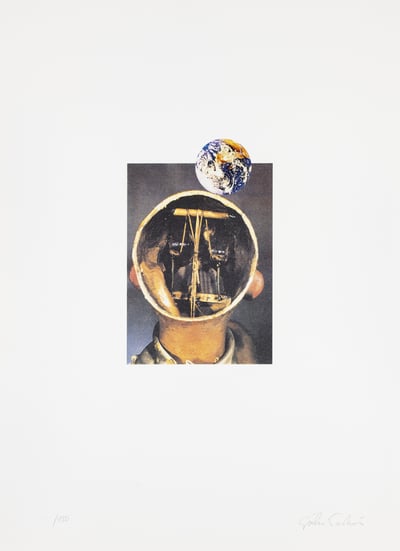
Giulio Paolini
Il sole nero, 1993
Limited Edition Print
Mixed Media
EUR 1,600
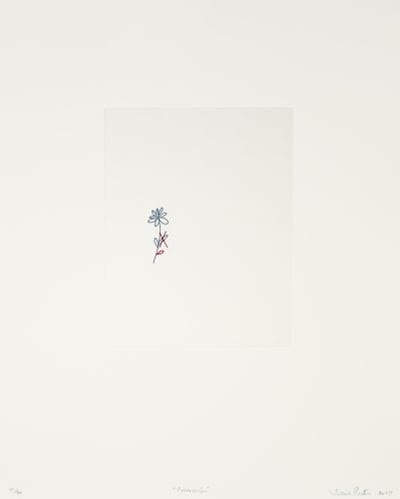
Liliana Porter
Corrección, 2018
Limited Edition Print
Etching
EUR 1,500
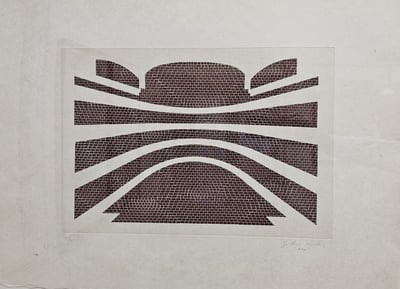
Guillermo Kuitca
Cuarta pared, 1997
Limited Edition Print
Mixed Media
EUR 2,000
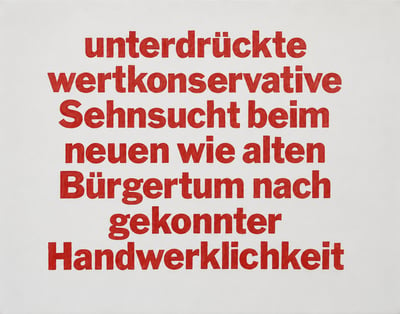
Thomas Demand
Texte zur Kunst, 2010
Limited Edition Print
Offset Print
EUR 780
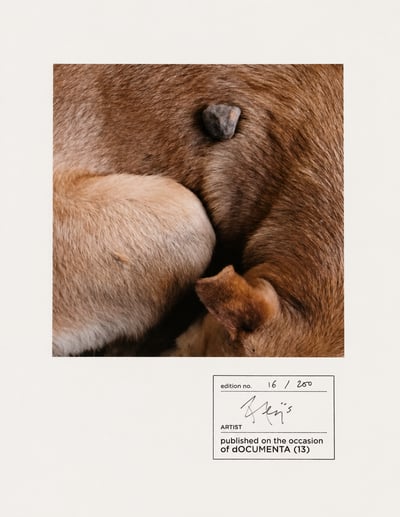
Francis Alys
Untitled (documenta 13), 2012
Photography
Photograph
EUR 590
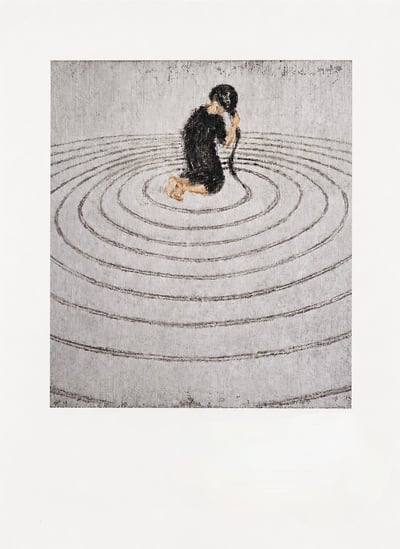
Francis Alys
Untitled (Salam Tristesse), 2018/2025
Limited Edition Print
Offset Print
EUR 860
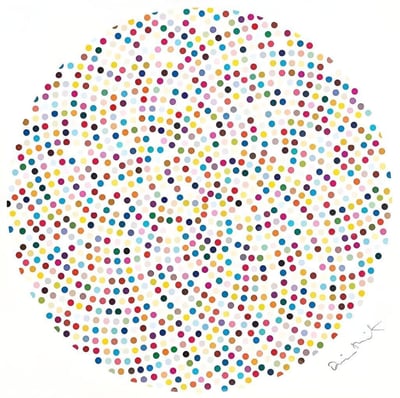
Damien Hirst
Valium, 2014
Limited Edition Print
Digital Print on paper
Inquire For Price
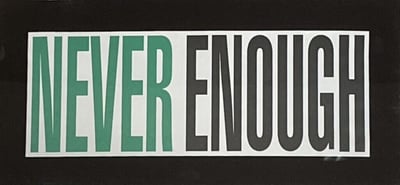
Barbara Kruger
Swimming Pool, 2019
Limited Edition Print
Screen-print
GBP 2,250 - 2,900
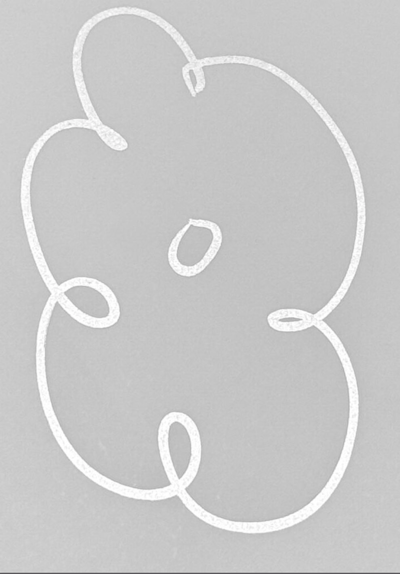
Jeff Koons
Untitled (flower), 1993
Drawing / Watercolor
Ink
GBP 35,000 - 45,000
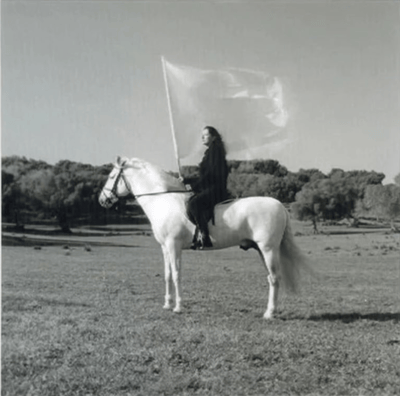
Marina Abramovic
The Hero, 2022
Photography
Mixed Media
Inquire For Price
Related Articles



Street Art is artwork created and executed in public spaces, outside of traditional art venues. It gained popularity during the 1980s graffiti art boom and has since evolved into various forms and styles. Common forms of Street Art include pop-up art, sticker art, stencil graffiti, and street installations or sculptures. Terms like guerrilla art, neo-graffiti, post-graffiti, and urban art are often used interchangeably to describe this genre, which challenges conventional ideas about where and how art should be displayed.

Situationism is a psychological theory that gained prominence in 1968, following the publication of a monograph by Walter Mischel that sparked the Person-situation debate. This theory argues that behavior is primarily influenced by external situational factors rather than internal traits or motivations, challenging the ideas of trait theorists like Raymond B. Cattell and Hans Eysenck, who emphasized stable personality traits. It is important not to confuse this with the Situationist International movement, an artistic and political movement founded by Asger Jorn, which focused on the critique of modern consumer society and the influence of environments on human behavior.

The Uncanny is a concept described by psychologist Sigmund Freud as the eerie or unsettling feeling that arises when something familiar is presented in a strange or unfamiliar way. Surrealist artists, who aimed to reveal the subconscious and merge it with reality, often utilized this concept by combining familiar objects in unexpected and bizarre ways. This approach created a sense of discomfort or unease, challenging the viewer's perception of reality.
Can't find your Answer?
Thank you! Your question has been sent — we'll get back to you shortly.
