
What is conceptual art?
- Show All
- Established
- Discoveries
- Show All
Artworks Related to Conceptual art

John Baldessari
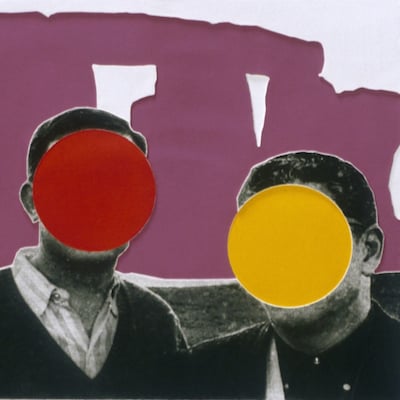
Truffle butter, 2017
Limited Edition Print
Screen-print
USD 6,600

Ed Ruscha
Flies, 1972
Limited Edition Print
Serigraph
Inquire For Price

Javacheff Christo
Monuments, 7, 1968
Limited Edition Print
Lithograph
Inquire For Price

Panamarenko
Milky Ways & Happenings - original plate
Limited Edition Print
Metal
Make Your Offer
John Baldessari
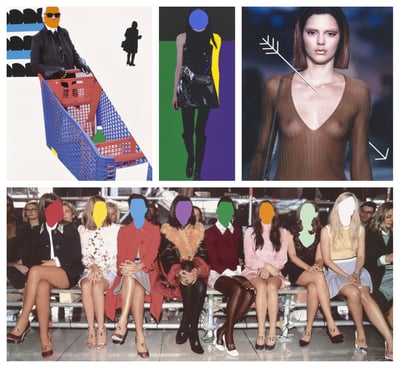
Front Row Suite, 2015
Limited Edition Print
Silkscreen
USD 83,000 - 90,000

Cindy Sherman
Madonna, 1975/97
Photography
Gelatin Silver Print
Currently Not Available

Claes Oldenburg
Ice cream desserts - Praline (A. & P. 162), 1976
Limited Edition Print
Etching and Aquatint
Inquire For Price

John Baldessari
The first $100,000 I ever made, 2012
Limited Edition Print
Lithograph
USD 5,500
Yayoi Kusama
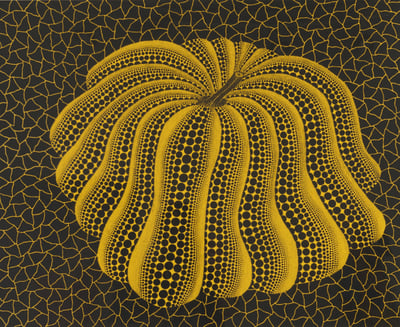
Pumpkin, 1993
Limited Edition Print
Screen-print
Currently Not Available

Liliana Porter
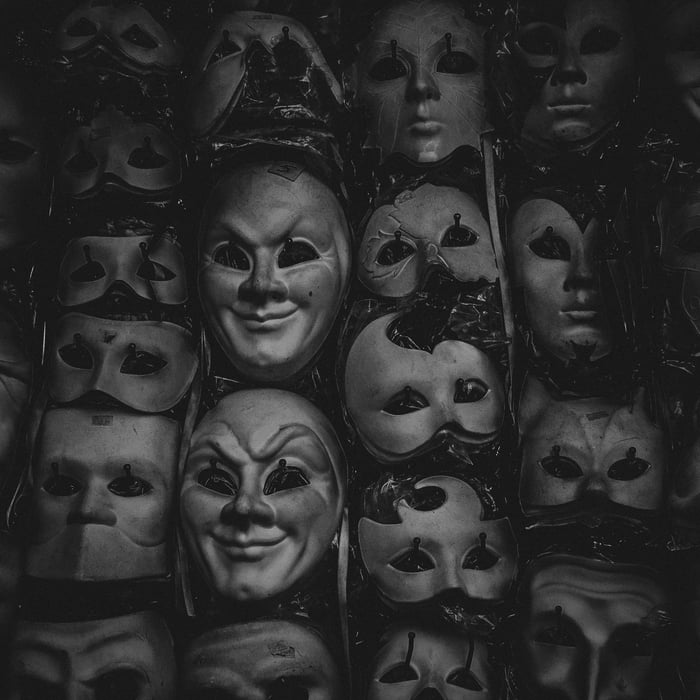
Mask, 2019
Limited Edition Print
Etching
EUR 1,800

Liliana Porter
Correction, 2019
Limited Edition Print
Etching
EUR 1,800

Liliana Porter
Black drips, 2019
Limited Edition Print
Etching
Currently Not Available

Olivier Mosset
Banana saddle ( red ), 2019
Sculpture / Object
Mixed Media
EUR 3,500
Olivier Mosset
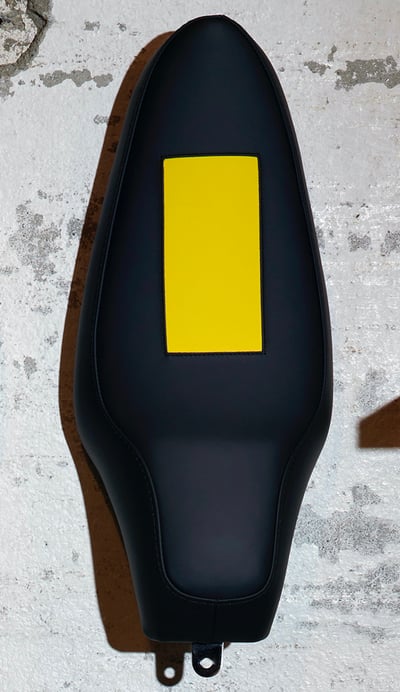
Banana saddle (yellow), 2019
Sculpture / Object
Mixed Media
EUR 3,500

Olivier Mosset
Banana saddle (blue), 2019
Sculpture / Object
Mixed Media
EUR 3,500

Olivier Mosset
Untitled (Solo & Pillon saddle), 2019
Sculpture / Object
Mixed Media
EUR 3,500
Related Articles


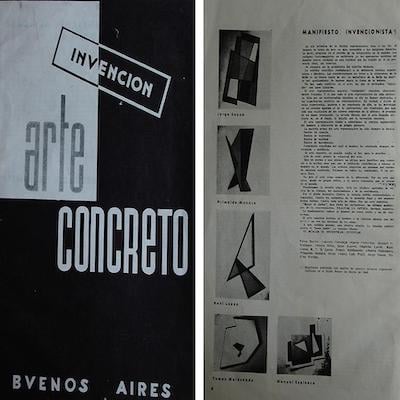
The Manifesto Invencionista was published in 1946, marking the beginning of the concrete art movement in Buenos Aires, Argentina. Written by artist Tomás Maldonado and published by the Asociación Arte Concreto-Invención, the manifesto announced the principles of Concrete Art. Concrete art is purely abstract, with no reference to visual reality, emphasizing geometric forms and the materiality of the artwork itself.

Performance Art is a genre of fine art that is traditionally interdisciplinary, involving various art forms. It can be scripted or unscripted, random or carefully orchestrated, spontaneous, or meticulously planned, with or without audience participation. Performance Art can be presented live or through media, with the artist either present or absent. It typically involves four basic elements: space, the performer’s body or presence through a medium, time, and the relationship between performer and audience. The artwork consists of actions performed by an individual or group in a specific time and space.
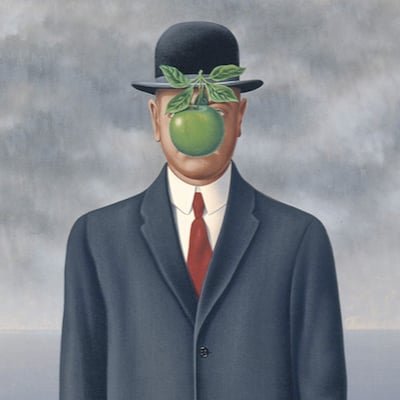
Surrealism began in the 1920s as an art and literary movement with the goal of revealing the unconscious mind and unleashing the imagination by exploring unusual and dream-like imagery. Influenced by Sigmund Freud’s theories of psychoanalysis, Surrealist artists and writers sought to bring the unconscious into rational life, blurring the lines between reality and dreams. The movement aimed to challenge conventional perceptions and express the irrational aspects of the human experience.
Can't find your Answer?
Thank you! Your question has been sent — we'll get back to you shortly.
