
What is conceptual art?
- Show All
- Established
- Discoveries
- Show All
Artworks Related to Conceptual art

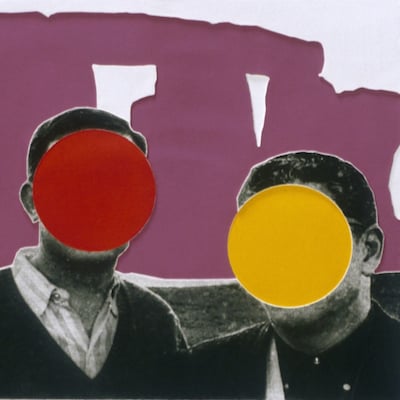
Joseph Beuys
Beuys for Lothar, 1973
Photography
Photograph
EUR 5,500
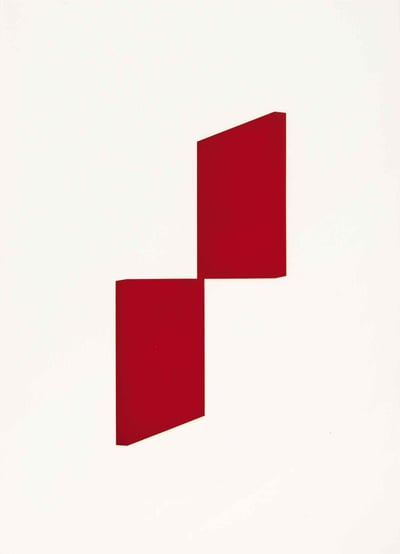
Robert Therrien
Untitled (Doors), 1996
Limited Edition Print
Aquatint
Currently Not Available
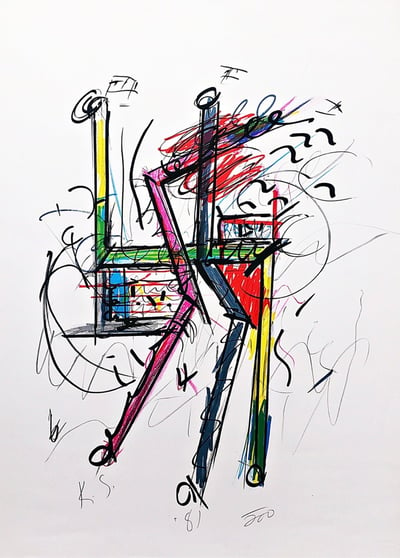
Keith Sonnier
Untitled, 1981
Limited Edition Print
Lithograph
Currently Not Available

Piero Manzoni
Impronta del pollice sinistro, 1960
Limited Edition Print
Lithograph
Currently Not Available

Bruce McLean
Shades of Grey - Light Blue, 2017
Limited Edition Print
Screen-print
Currently Not Available

Sherrie Levine
Barcham Green Portfolio No. 5, 1986
Limited Edition Print
Photogravure
Currently Not Available
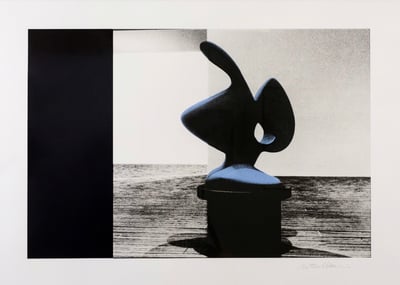
Bertrand Lavier
Walt Disney Productions 1947-2008, II, 2008
Limited Edition Print
Lithograph
Currently Not Available

Anne Collier
Double exposure, 2011
Photography
C-Print
Currently Not Available

Lothar Baumgarten
Untitled (Fish), 1985
Limited Edition Print
Screen-print
Currently Not Available
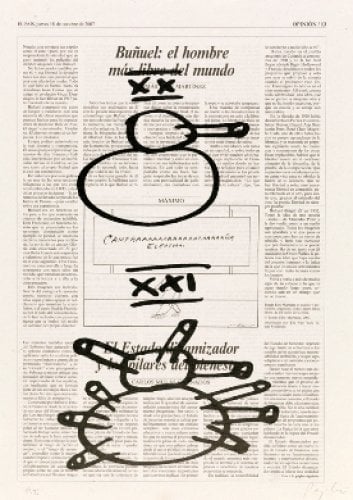
Dan Perjovschi
El País, 2007
Limited Edition Print
Lithograph
EUR 500

André Komatsu
Desapropriaçâo 1, 2011
Limited Edition Print
Lithograph
EUR 700

Zarina Hashmi
Rohingyas: Floating On The Dark Sea, 2015
Limited Edition Print
Woodcut
Currently Not Available
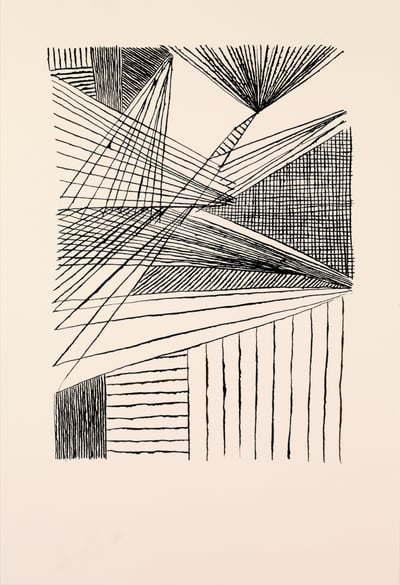
León Ferrari
Sin título 4, 2008
Limited Edition Print
Lithograph
EUR 1,000
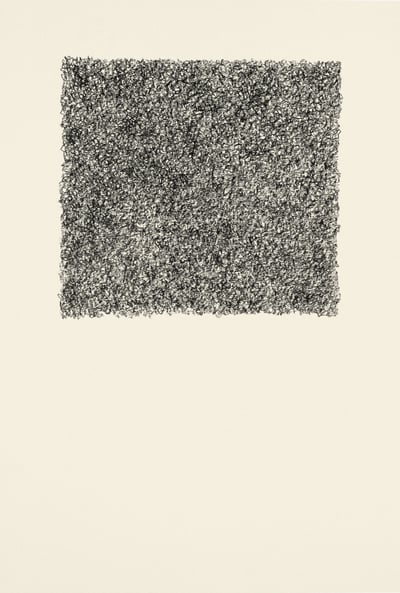
León Ferrari
Sin título 3, 2008
Limited Edition Print
Lithograph
EUR 1,000
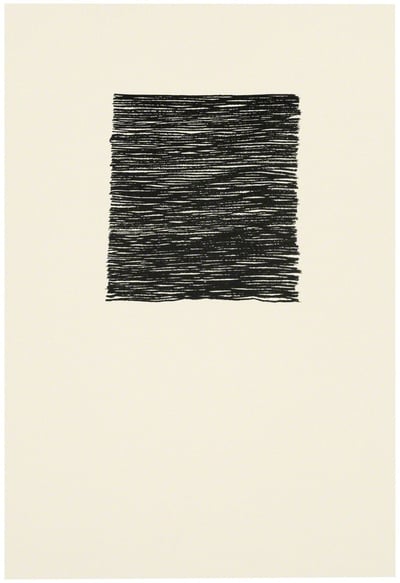
León Ferrari
Sin título 2, 2008
Limited Edition Print
Lithograph
EUR 1,000
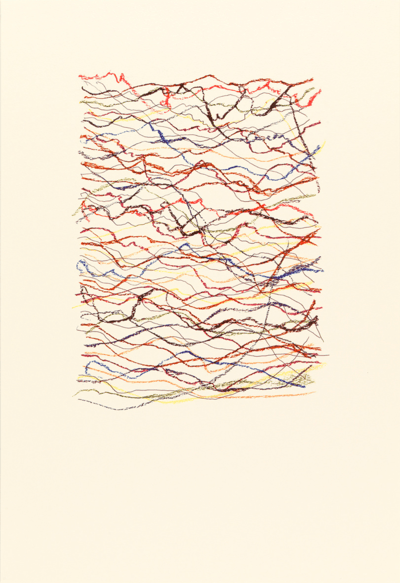
León Ferrari
Mod. 14, 2009
Limited Edition Print
Lithograph
EUR 1,000
Related Articles




Hyperrealism is a genre of sculpture and painting that closely resembles high-resolution photographs. It is an evolution of Photorealism and is often applied to an independent art style or movement that became prominent in Europe and the United States in the early 2000s. Hyperrealist artists focus on extreme detail and precision, creating works that are often indistinguishable from real-life images.
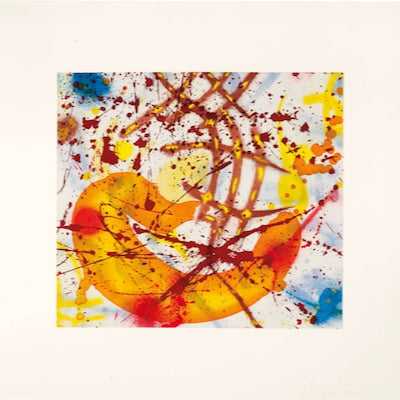
Action Painting is a style of painting where the physical act of creating art—such as gestural brushstrokes, splashing or dripping paint, or moving and dancing while applying paint—is considered essential to the artwork itself. This approach emphasizes the artist's movement and spontaneity as integral to the creative process.

ZERO was an art movement founded by Otto Piene and Heinz Mack, aiming to develop into a large international and cross-border movement. The name ZERO originated from a magazine founded by Heinz Mack in 1957, which became a platform for the group's ideas. The magazine was published for several years before ceasing in 1967. The ZERO movement sought to create a new beginning in art, emphasizing light, space, and movement, and became influential in post-war European art.
Can't find your Answer?
Thank you! Your question has been sent — we'll get back to you shortly.
