
What is geometric abstract art?
- Show All
- Established
- Discoveries
- Show All
Artworks Related to Geometric Abstract art

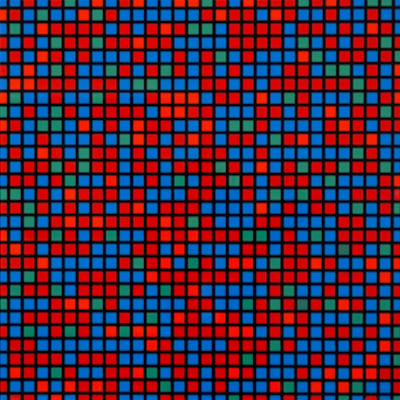
Carlos Cruz-Diez
Cromovela Tryptich 13, 2009
Ceramics
Ceramic
EUR 18,000

Regine Schumann
Colormirror rainbow pastel blue hongkong, 2020
Sculpture / Object
Acrylic sculpture
Currently Not Available
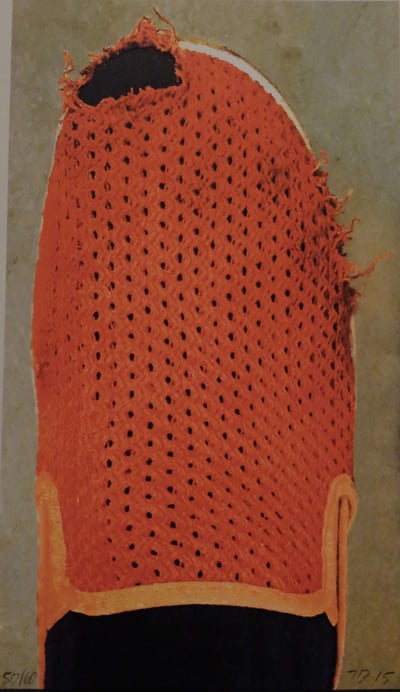
John Baldessari
Red Slipper, 2015
Limited Edition Print
Lithograph
USD 6,600

Agostino Bonalumi
Senza titolo, 1993
Limited Edition Print
Mixed Media
Currently Not Available

Yaacov Agam
Kiddush Cup, 1993
Sculpture / Object
Mixed Media
USD 1,350
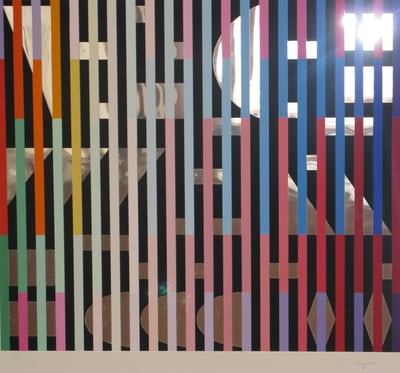
Yaacov Agam
Silver, 1982
Limited Edition Print
Silkscreen
USD 1,400

Sonia Delaunay
Totem, 1970
Limited Edition Print
Lithograph
EUR 4,850

Geneviève Claisse
Cercles Blancs, 1968/2014
Sculpture / Object
Mixed Media
EUR 2,000
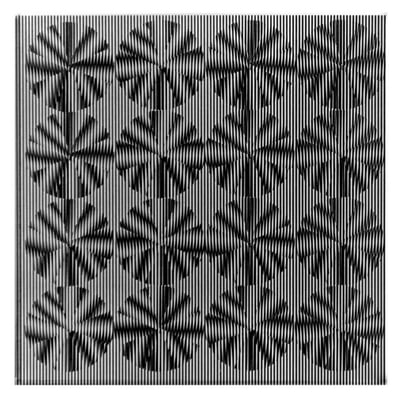
Ludwig Wilding
SBST 2827, 1993
Sculpture / Object
Object
EUR 1,500
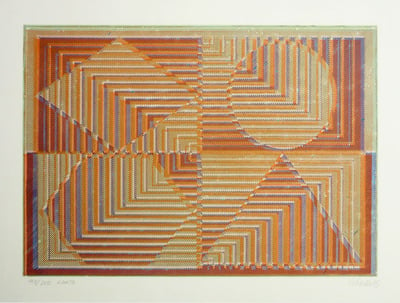
Rogelio Polesello
Ágata, 1975
Limited Edition Print
Serigraph
Currently Not Available
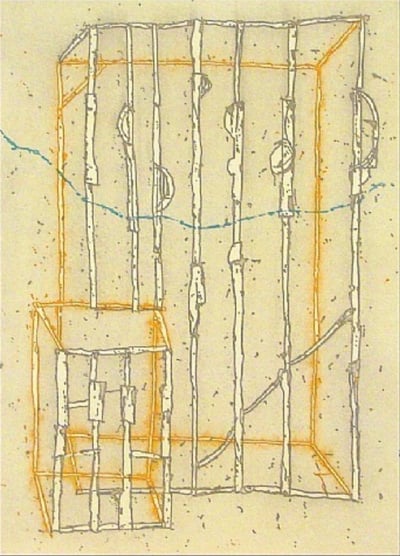
Craig Kauffman
Untitled, #2, 1988
Limited Edition Print
Etching
USD 1,800

Allan D'Arcangelo
Title Unknown, 1966
Limited Edition Print
Lithograph
USD 2,400

César Paternosto
Argonaut , 2008
Limited Edition Print
Lithograph
Currently Not Available

César Paternosto
Untitled 1, 2019
Limited Edition Print
Lithograph
EUR 2,000

Bram Van Velde
Déchirure, 1977
Limited Edition Print
Lithograph
EUR 1,875
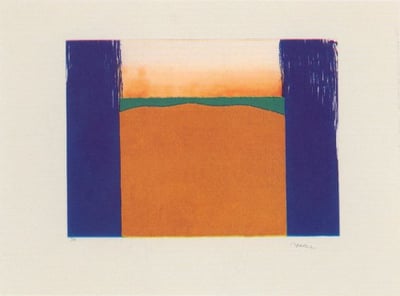
Alfons Borrell
Illes-3, 1997
Limited Edition Print
Etching
Currently Not Available
Related Articles
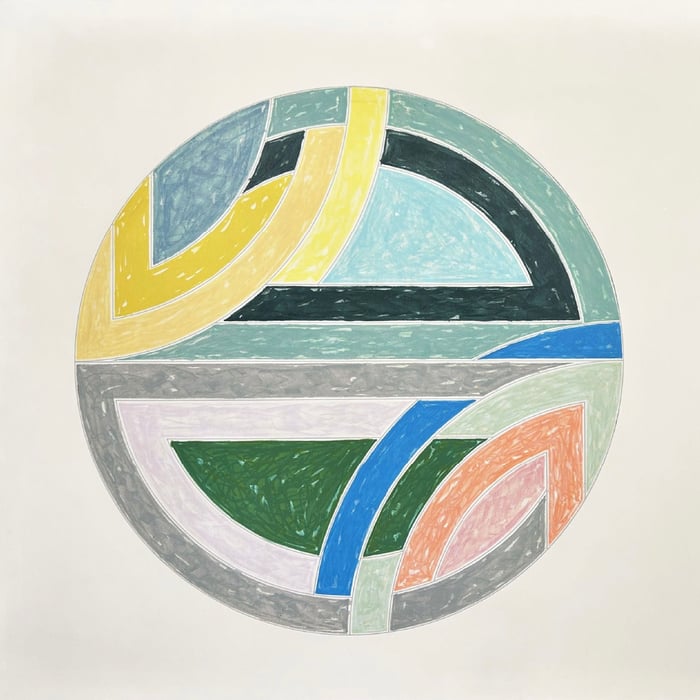

Digital art refers to artistic practices or works that utilize digital technology as an essential component of both the creation and presentation process. Since the 1970s, various terms like multimedia and computer art have been used to describe this practice. Digital art is a subset of the broader category known as new media art, which has brought significant changes to the art world. Technology has transformed traditional forms of painting, drawing, sound/music, and sculpture into new digital formats, expanding the possibilities of artistic expression.

Charcoal is made from charred wood and is used in both initial sketches and finished drawings. It can be easily smudged or erased, making it versatile for corrections. To make charcoal drawings permanent, a fixative like resin or gum is required. It’s especially useful for sketching first ideas on walls or canvas.

A body print is an art technique where the artist uses their body as a printing plate. This can be done by smearing grease, margarine, or oil on the skin, hair, and clothes, then pressing the body against a surface like paper. The oiled imprint is then dusted with pigment. Unlike a self-portrait, a body print explores two competing concepts of identity rather than capturing a likeness of the artist. The method emphasizes the physicality of the body while questioning the boundaries between self-representation and abstraction.
Can't find your Answer?
Thank you! Your question has been sent — we'll get back to you shortly.
