
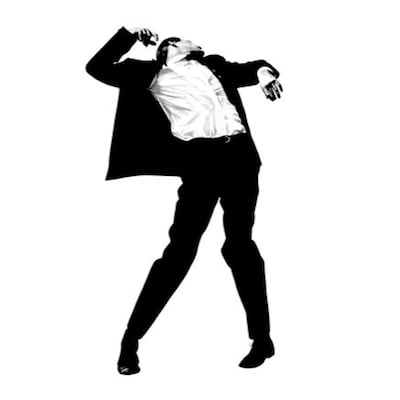
What is Performance Art?
- Show All
- Established
- Discoveries
- Show All
Artworks Related to Performance art

Dan Perjovschi
Calendar 2007, 2007
Limited Edition Print
Mixed Media
EUR 1,200

Antonio Dias
Navegador, 2015
Limited Edition Print
Lithograph
EUR 2,500

Jim Dine
Peoria, 1970
Limited Edition Print
Lithograph
EUR 1,900

Jim Dine
Orgasm, 1970
Limited Edition Print
Lithograph
EUR 1,900
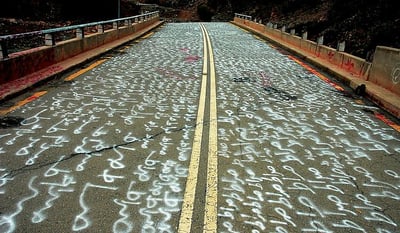
Abdulnasser Gharem
The Path, 2012
Limited Edition Print
Silkscreen
Currently Not Available

Antonio Dias
Without title , 2015
Limited Edition Print
Etching
Currently Not Available
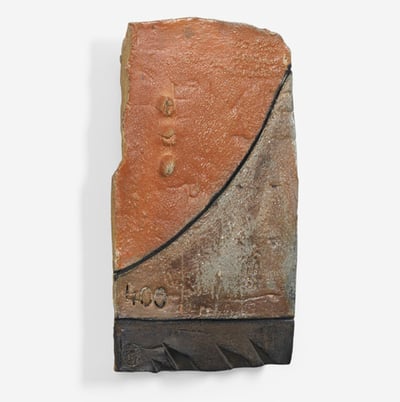
Theaster Gates
South Side Wall Sculpture
Ceramics
Ceramic
Currently Not Available

Nedko Solakov
A man with seven problems , 2010
Limited Edition Print
Lithograph
EUR 2,500

Marcel Dzama
Une saison en enfer, 2011
Drawing / Watercolor
Mixed Media
EUR 2,250

Jim Dine
Brushes Drawn on Stone #2, 2010
Limited Edition Print
Lithograph
USD 4,000

Sophie Calle
The Tombes, Mother / Father, 1990
Photography
Gelatin Silver Print
Currently Not Available

Joseph Beuys
Wirtschaftspaket, 1984
Sculpture / Object
Mixed Media
EUR 16,600
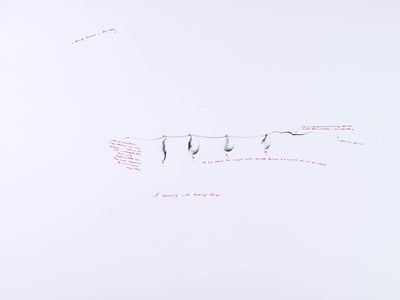
Nedko Solakov
A Drawing with Lacking Things, 2004
Limited Edition Print
Silkscreen
Currently Not Available
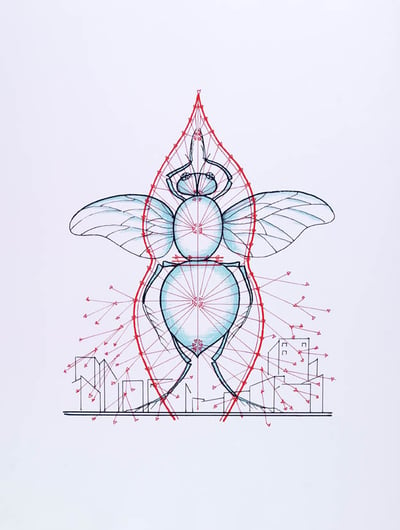
Ilja Kabakov
Untitled (Insect), 2004
Limited Edition Print
Silkscreen
EUR 1,600
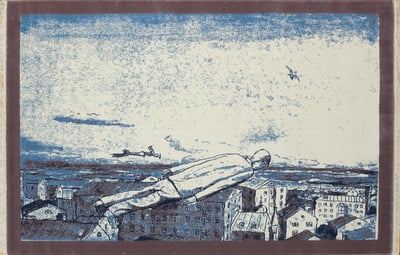
Ilja Kabakov
The Flying #4, 2006
Tapestry
Tapestry
EUR 13,500
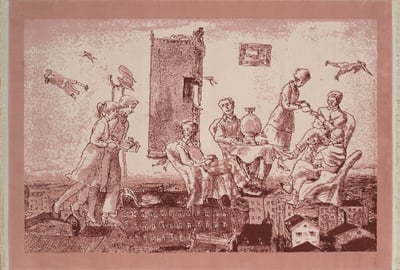
Ilja Kabakov
The Flying #3, 2006
Tapestry
Tapestry
EUR 13,500
Related Articles
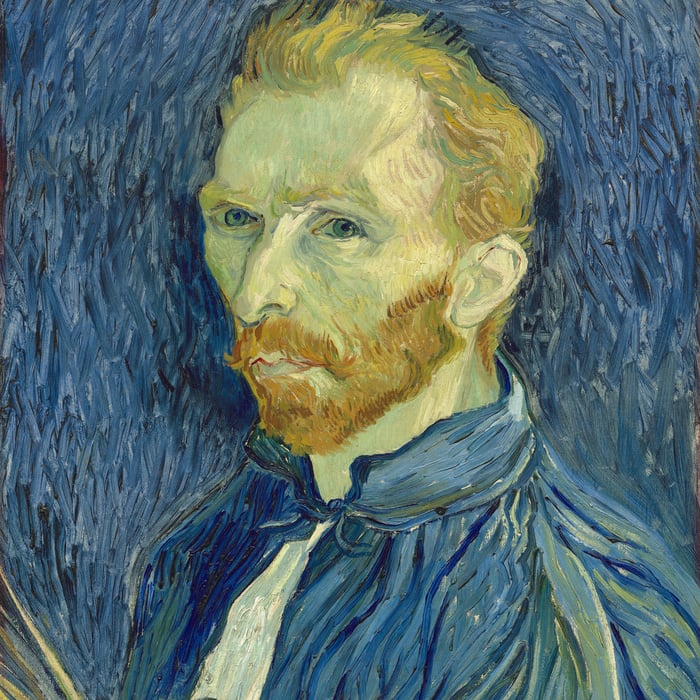

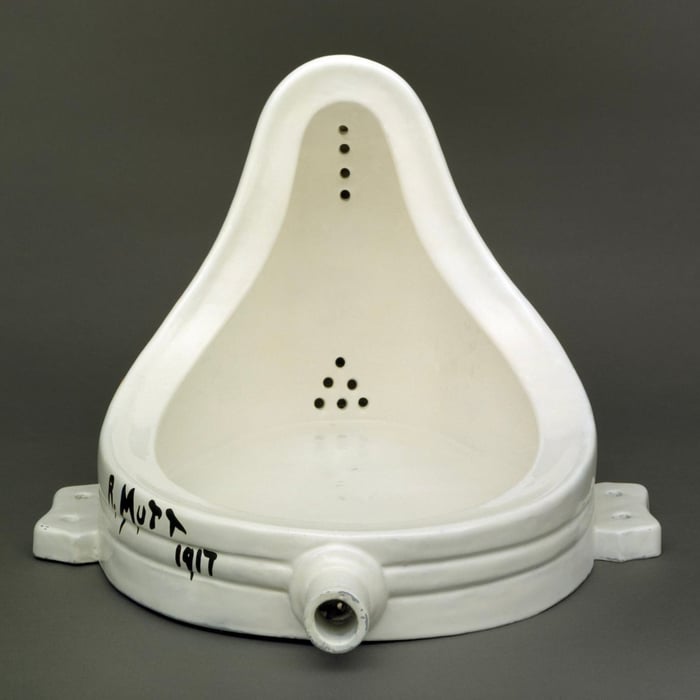

Naïve art describes a style of artwork that is simple and unsophisticated, often created by artists without formal training in an academy or art school. The style is characterized by a lack of advanced techniques, giving it a childlike appearance. Naïve art often features bright colors, simple shapes, and a straightforward approach to subject matter, reflecting the artist's untrained perspective.

A C-type print, also known as a chromogenic print, is a photographic print made from a color negative or slide. The print is created on chromogenic paper, which contains three emulsion layers, each sensitized to a different primary color. After exposure, the paper is processed in a series of chemical baths, where each layer reacts to the chemicals to produce the final image. C-type prints are known for their rich color depth and are widely used in fine art and commercial photography.
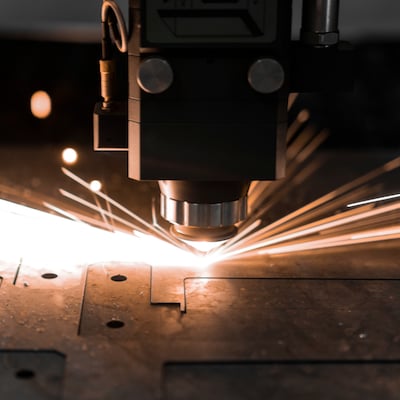
Metalcut was a relief printing technique used primarily in Europe from around 1450 to 1540. The technique involved using thin metal plates. One method involved cutting or hammering away parts of the plate that were not intended to print, while the other method used engraving to create white lines on a black background.
Can't find your Answer?
Thank you! Your question has been sent — we'll get back to you shortly.
