
What is conceptual art?
- Show All
- Established
- Discoveries
- Show All
Artworks Related to Conceptual art
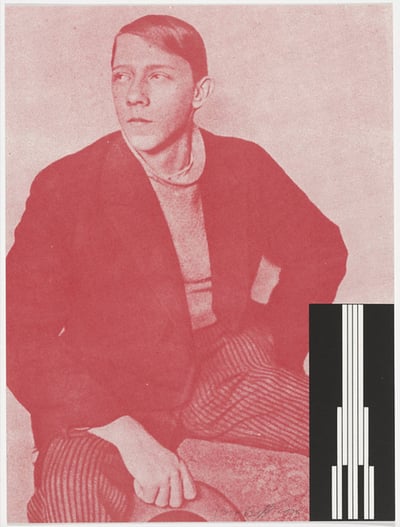
Dan Flavin
Untitled from The New York Collection for Stockholm, 1973
Limited Edition Print
Screen-print
GBP 2,340

Claes Oldenburg
M.Mouse (with) 1 Ear (equals) Tea Bag Blackboard Version, 1973
Limited Edition Print
Mixed Media
GBP 2,220

Bernar Venet
Random Combination of Indeterminate Lines I, c. 1990
Limited Edition Print
Etching and Aquatint
EUR 4,500

Bernar Venet
Random Combination of Indeterminate Lines II, c. 1990
Limited Edition Print
Etching and Aquatint
EUR 4,500

Idris Khan
I Thought We Had More Time, 2022
Limited Edition Print
Archival Print
GBP 1,850

Idris Khan
Death of Painting, 2014
Limited Edition Print
Lithograph
GBP 3,000

Sol LeWitt
Circles from The New York Collection for Stockholm, 1973
Limited Edition Print
Lithograph
GBP 3,300

Pedro Cabrita Reis
E as estrelas do céu cairam na terra....I, 1996
Limited Edition Print
Aquatint
EUR 4,200

Pedro Cabrita Reis
E as estrelas do céu cairam na terra....IV, 1996
Limited Edition Print
Aquatint
EUR 4,200

Pedro Cabrita Reis
E as estrelas do céu cairam na terra....III, 1996
Limited Edition Print
Aquatint
EUR 4,200

Pedro Cabrita Reis
E as estrelas do céu cairam na terra....II, 1996
Limited Edition Print
Aquatint
EUR 4,200
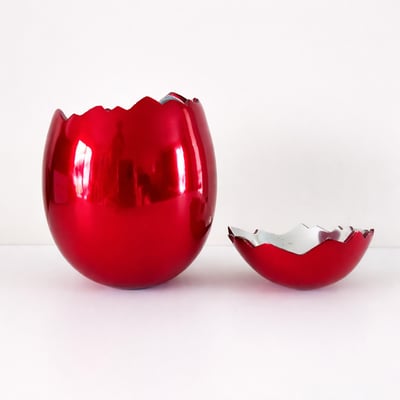
Jeff Koons
Cracked Egg (Red), 2008
Sculpture / Object
Metal
USD 3,200

Josef Albers
Astatic (Danilowitz 116), 1944
Limited Edition Print
Woodcut
USD 10,200
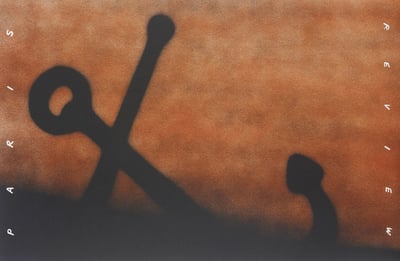
Ed Ruscha
Anchor in the Sand (Paris Review), 1991
Limited Edition Print
Lithograph
USD 8,500
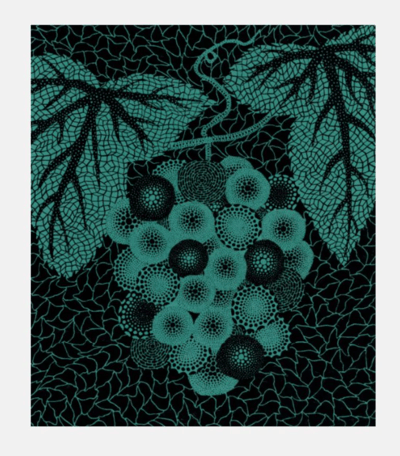
Yayoi Kusama
Grapes (Kusama 29), 1983
Limited Edition Print
Screen-print
GBP 30,000 - 40,000
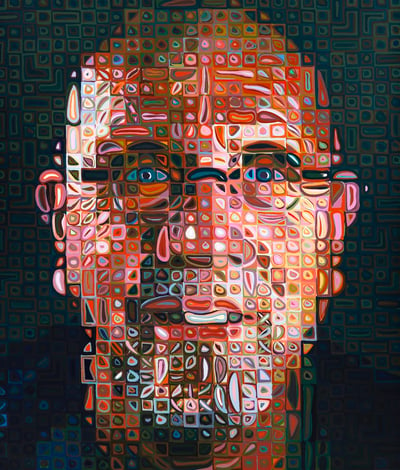
Chuck Close
Self-Portrait, 2012
Limited Edition Print
Silkscreen
USD 40,000 - 50,000
Related Articles




A marker is a drawing tool filled with colorful inks that dry quickly. Markers come in various sizes and use different colorants, such as ink, dye, or paint. They are available with different tip styles and produce smooth marks with sharp edges, making them ideal for a wide range of artistic and design applications.

Multiples refer to a series of identical art objects produced in limited editions according to the artist's concept. These works are specifically created for sale and are often considered the most affordable and accessible form of contemporary art. What sets multiples apart is their lack of uniqueness, which is typically seen as essential in traditional artworks. Instead, they offer value and enjoyment while making contemporary art more widely available.

Situationism is a psychological theory that gained prominence in 1968, following the publication of a monograph by Walter Mischel that sparked the Person-situation debate. This theory argues that behavior is primarily influenced by external situational factors rather than internal traits or motivations, challenging the ideas of trait theorists like Raymond B. Cattell and Hans Eysenck, who emphasized stable personality traits. It is important not to confuse this with the Situationist International movement, an artistic and political movement founded by Asger Jorn, which focused on the critique of modern consumer society and the influence of environments on human behavior.
Can't find your Answer?
Thank you! Your question has been sent — we'll get back to you shortly.
