
What is conceptual art?
- Show All
- Established
- Discoveries
- Show All
Artworks Related to Conceptual art
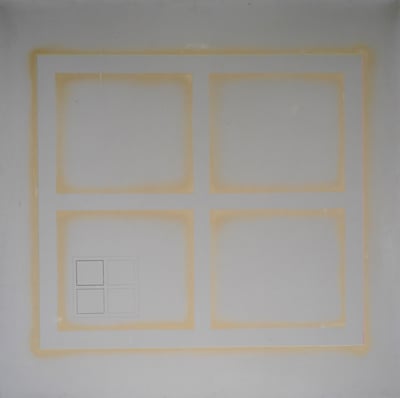
Shusaku Arakawa
Four dimensions exist in one dimension, 1965
Painting
Acrylic on canvas
USD 105,000 - 130,000

Tracey Emin
Grand Hotel I, 2016
Limited Edition Print
Lithograph
GBP 13,500
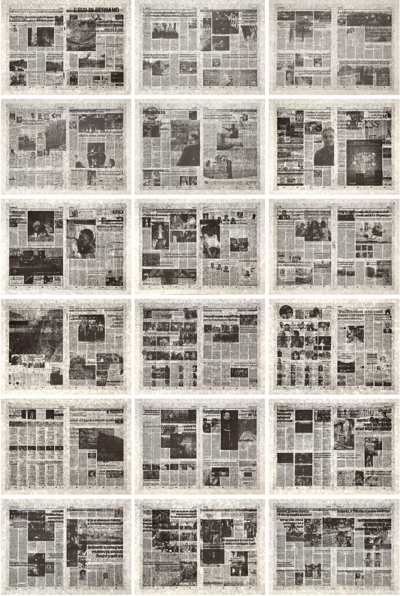
Jacob Kassay
L'eco di Bergamo , 2014
Limited Edition Print
Lithograph
EUR 90,000 - 110,000

Sarah Morris
Geigy (Clips), 2011
Limited Edition Print
C-Print
Currently Not Available

Damien Hirst
H4-8 Keukenhof, 2020
Limited Edition Print
Mixed Media
GBP 13,000 - 15,000
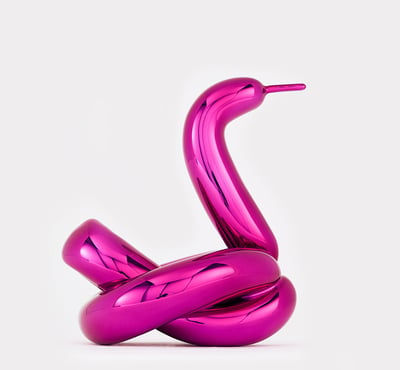
Jeff Koons
Balloon Swan (Magenta), 2019
Sculpture / Object
Porcelain
USD 11,900
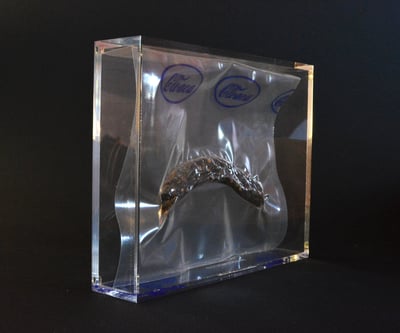
Wim Delvoye
Cloaca, 2002
Sculpture / Object
Mixed Media
Make Your Offer
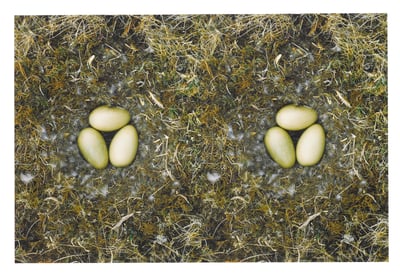
Roni Horn
To Nest, Number 5, 1997 / 2001
Limited Edition Print
Mixed Media
Currently Not Available

Bernar Venet
Position of three major arcs of 265.5° each, 1981
Limited Edition Print
Mixed Media
EUR 3,700

Joseph Kosuth
Titled Quotation (for L.C.), 1997
Limited Edition Print
Screen-print
Currently Not Available

Javacheff Christo
Reichstag Mappe II, Südfassade, 1995
Photography
Photograph
EUR 4,800
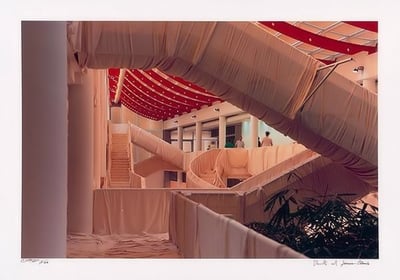
Javacheff Christo
Museum Würth Wrapped Stairs, 1995
Limited Edition Print
Photograph
EUR 6,900

Javacheff Christo
Museum Würth Wrapped Chairs, 1995
Limited Edition Print
Photograph
EUR 6,900
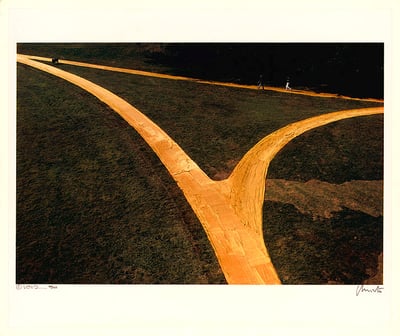
Javacheff Christo
Wrapped Walk Ways, 1978
Limited Edition Print
Photograph
EUR 5,900
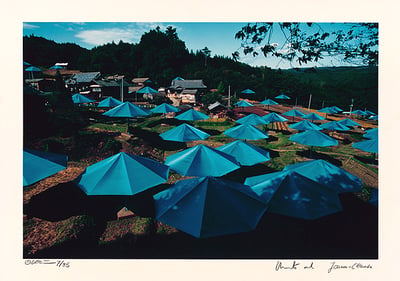
Javacheff Christo
Umbrellas Jinba Blue
Limited Edition Print
Photograph
EUR 6,900

Javacheff Christo
The Gates Rondell, 2005
Photography
Photograph
EUR 19,000
Related Articles


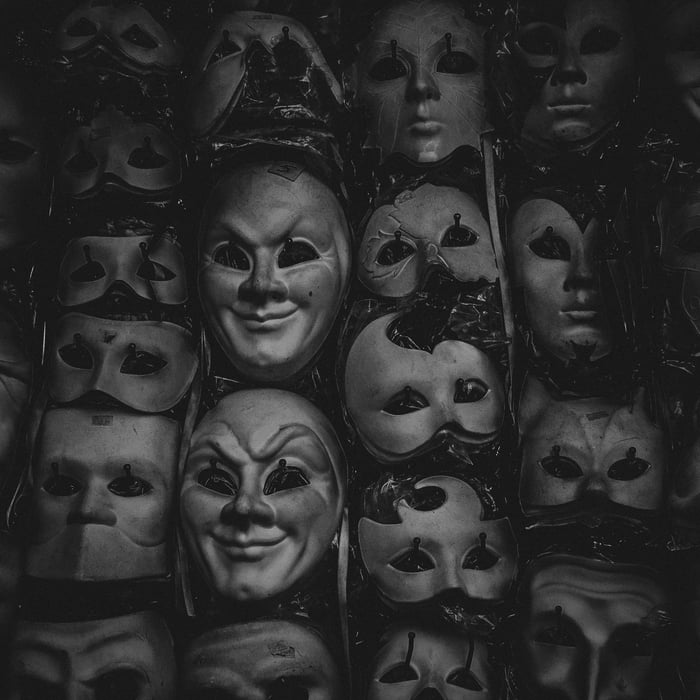
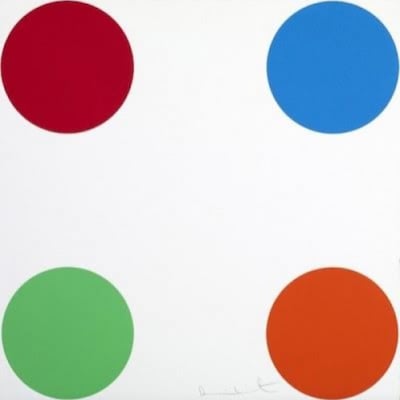
Young British Artists (YBAs), also known as Britart or Brit artists, refers to a group of artists who began exhibiting together in London in 1988. Most of them graduated from the BA Fine Arts course at Goldsmiths in the late 1980s. The YBAs are known for their wild lifestyles, use of unconventional materials, and a combination of entrepreneurial and oppositional attitudes. They dominated the British art scene in the 1990s and gained significant media attention. Many of these artists were initially supported and collected by Charles Saatchi, a key figure in their rise to prominence.

Site-Specific Art is a form of artwork created to exist in a particular location, with the artist considering the site as an integral part of the creative process. Robert Irwin was a key figure in promoting this art form in California. Site-Specific Art emerged as a reaction against modernist objects, which were often portable, commodified, and confined to museum spaces. In contrast, Site-Specific Art is inherently tied to its location, challenging the traditional notions of art as a transportable and marketable commodity.
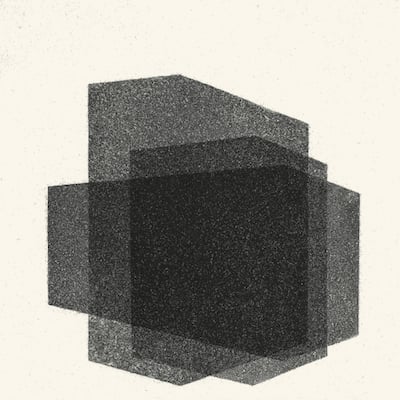
Intaglio is a printmaking technique where the artist creates marks on a metal plate that hold ink or dye. The inked plate is then pressed onto paper, transferring the ink to the sheet. This process can be repeated multiple times depending on the technique. Intaglio methods, such as etching, often involve applying a mordant (acid) to the metal plate to create the design. Intaglio encompasses various techniques, including engraving, etching, and drypoint.
Can't find your Answer?
Thank you! Your question has been sent — we'll get back to you shortly.
