
What is conceptual art?
- Show All
- Established
- Discoveries
- Show All
Artworks Related to Conceptual art

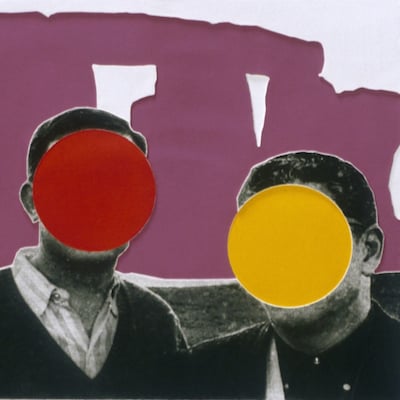
Cabelo
Without title 9, 2015
Limited Edition Print
Monotype
Currently Not Available
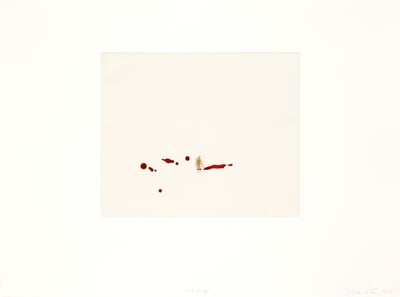
Liliana Porter
Red drips, 2019
Limited Edition Print
Etching
Currently Not Available
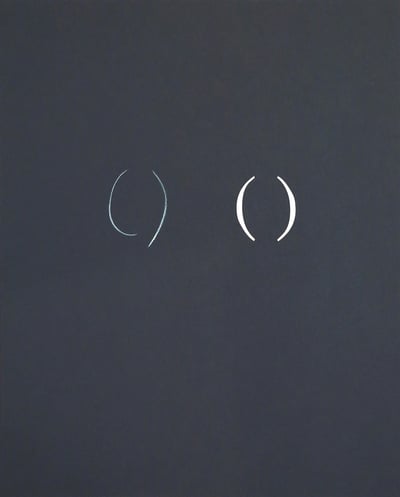
Antoni Muntadas
Puntuacions 15, 2017
Limited Edition Print
Lithograph
Currently Not Available

Pello Irazu
Untitled #4, 1985
Painting
Mixed Media
EUR 2,250
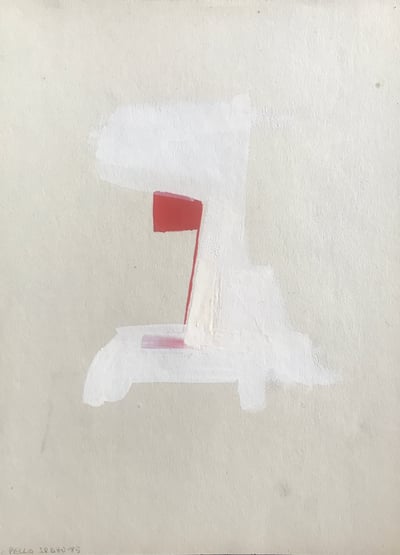
Pello Irazu
Untitled #3, 1985
Painting
Mixed Media
EUR 2,250

Pello Irazu
Untitled #2, 1985
Painting
Mixed Media
EUR 2,250

Pello Irazu
Untitled #1, 1985
Painting
Mixed Media
EUR 2,250

Jacob Kassay
Untitled 5/10 (Radikal), 2013
Limited Edition Print
Lithograph
EUR 5,500

Jacob Kassay
Untitled 1/10 (Radikal), 2013
Limited Edition Print
Lithograph
EUR 5,500

Jacob Kassay
Untitled 9/10 (Radikal), 2013
Limited Edition Print
Lithograph
EUR 5,500
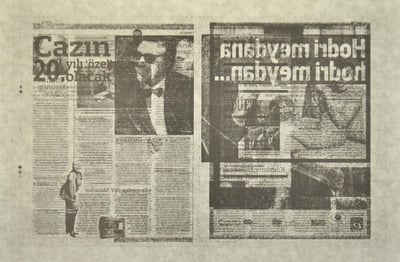
Jacob Kassay
Untitled 8/10 (Radikal), 2013
Limited Edition Print
Lithograph
EUR 5,500

Jacob Kassay
Untitled 2/10 (Radikal), 2013
Limited Edition Print
Lithograph
EUR 5,500

Jacob Kassay
Untitled 10/10 (Radikal), 2013
Limited Edition Print
Lithograph
EUR 5,500

Jacob Kassay
Untitled 3/10 (Radikal), 2013
Limited Edition Print
Lithograph
EUR 5,500

Jacob Kassay
Untitled 3/7 (Le Monde), 2013
Limited Edition Print
Lithograph
EUR 5,500

Jacob Kassay
Untitled 5/8 (La Opinión), 2013
Limited Edition Print
Lithograph
EUR 5,500
Related Articles


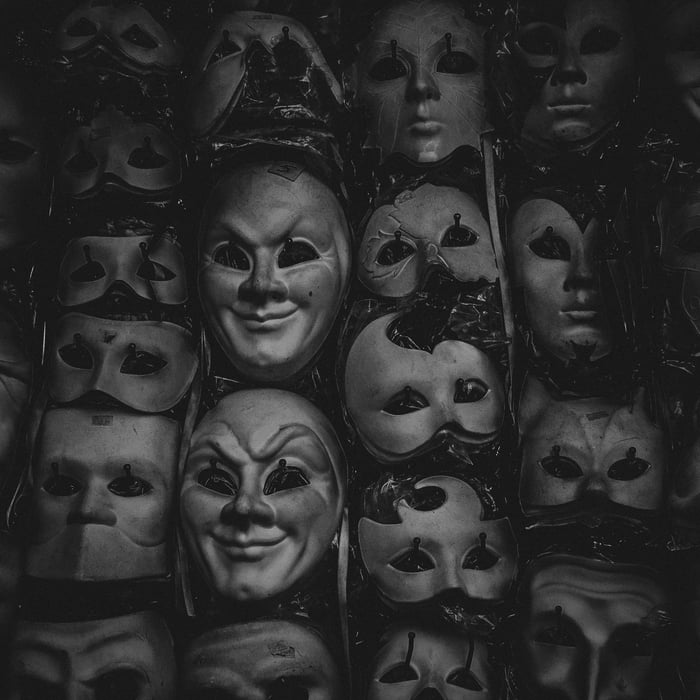

Massurrealism is a portmanteau word coined by American artist James Seehafer in 1992. He observed a trend among postmodern artists who blended themes and aesthetic styles with mass media, including elements of pop art. Massurrealism is a development of surrealism that emphasizes the technological effects on the imagery of contemporary surrealism. The key difference between massurrealism and surrealism is that the latter was founded in Europe at the beginning of the 20th century, while massurrealism is rooted in the influence of modern technology and media.
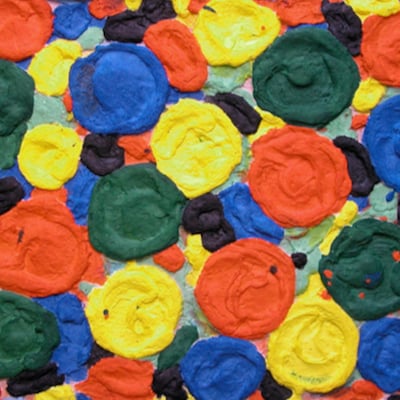
Aquagravure is a technique that combines multiple processes. It involves compressing wet paper pulp in a carved wood mold until the water drains off. The compressed paper is then painted, and ink is added to the mold to print onto the painted paper. The final work is allowed to dry. This method results in a unique textural and visual effect, blending elements of printmaking and papermaking.

Xiamen Dada was a Chinese artist group based in Xiamen, a city on China’s southeast coast. Emerging in the 1980s, the group explored the relationship between Chan Buddhism and European Dada, embracing absurdity and the use of chance in the creation of their artworks. Xiamen Dada sought to challenge conventional artistic norms, blending Eastern philosophy with the avant-garde practices of Dada, and became known for their provocative and unconventional approach to art.
Can't find your Answer?
Thank you! Your question has been sent — we'll get back to you shortly.
