
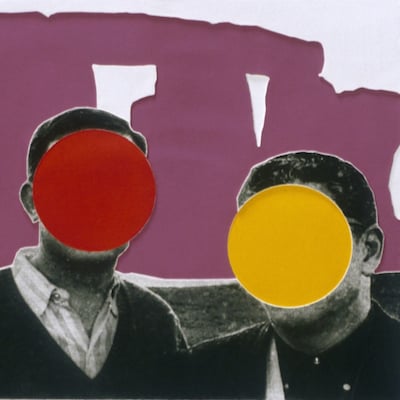
What is conceptual art?
- Show All
- Established
- Discoveries
- Show All
Artworks Related to Conceptual art
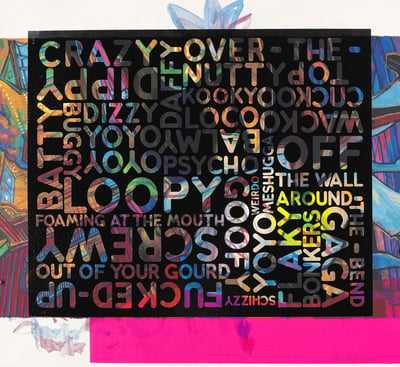
Mel Bochner
Crazy (With background Noise) , 2018
Limited Edition Print
Screen-print
EUR 9,000
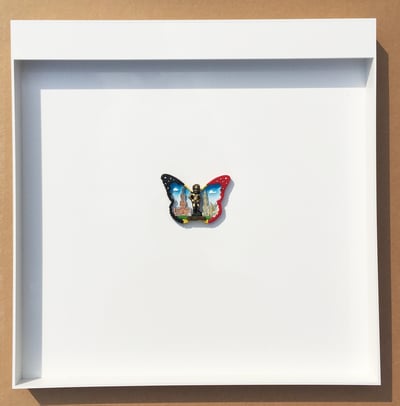
Jonathan Monk
Backside Brussels I, 2016
Sculpture / Object
Acrylic sculpture
EUR 800
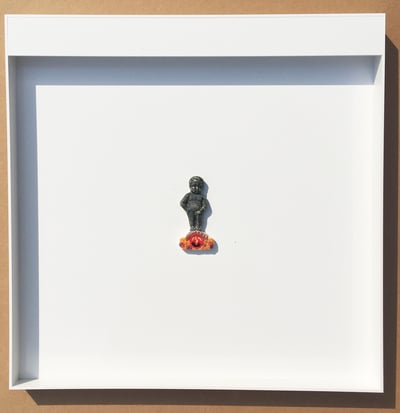
Jonathan Monk
Backside Brussels II, 2016
Sculpture / Object
Acrylic sculpture
EUR 800
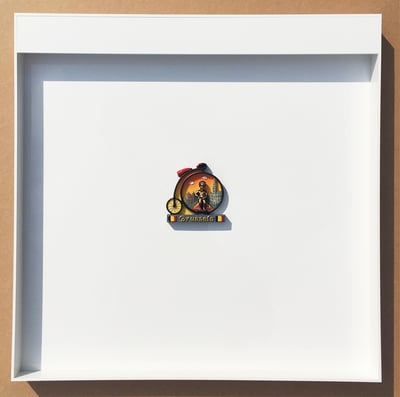
Jonathan Monk
Backside Brussels III, 2016
Sculpture / Object
Acrylic sculpture
EUR 800
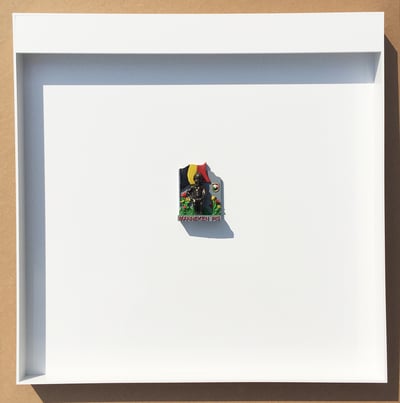
Jonathan Monk
Backside Brussels IV, 2016
Sculpture / Object
Acrylic sculpture
EUR 800

Jaume Plensa
Alban Berg, 2008
Limited Edition Print
Mixed Media
EUR 3,720

Jeff Koons
Dolphin Saddle, 2009
Limited Edition Print
Lithograph
GBP 10,700
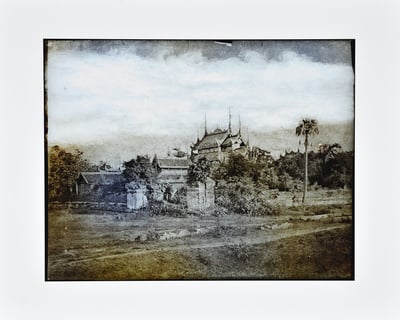
Thomas Ruff
Tripe 09, 2018
Photography
Inkjet print
EUR 2,500 - 3,000

Cornelia Parker
STOP, 2015
Sculpture / Object
Metalcut
GBP 1,200

Jan Fabre
Tivoli (portfolio of 7), 1990
Limited Edition Print
Lithograph
EUR 2,890

Marcel Dzama
A Blind Man’s Scrap Book (Skull), 2018
Drawing / Watercolor
Coloured pencil
EUR 1,600

Marcel Dzama
A Blind Man’s Scrap Book (Skeletal Serenade), 2018
Drawing / Watercolor
Coloured pencil
EUR 1,600

Marcel Dzama
A Blind Man’s Scrap Book (Radiant Bat), 2018
Drawing / Watercolor
Coloured pencil
EUR 1,600

Javacheff Christo
Over The Arkansas River, Project A, 1992/2017
Limited Edition Print
Lithograph
EUR 1,700
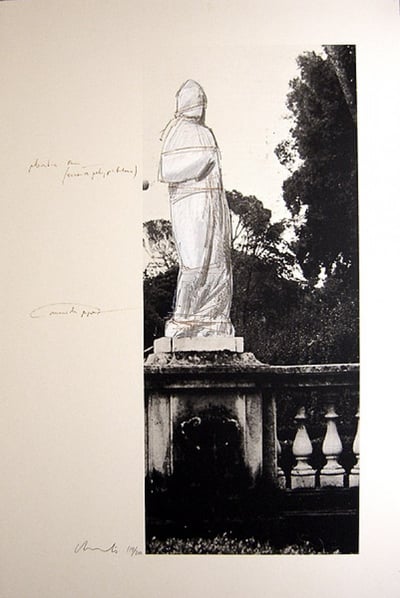
Javacheff Christo
Schweiz Verpackte Venus-Villa Borghese, 1974
Limited Edition Print
Lithograph
EUR 3,800
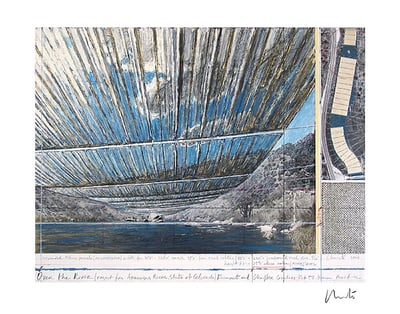
Javacheff Christo
Over The Arkansas River, Project U, 1992/2017
Limited Edition Print
Lithograph
EUR 1,700
Related Articles



A Catalogue Raisonné is an annotated and comprehensive listing of all the known works of an artist. It includes detailed information that helps to identify and authenticate the artist's output across all media or within a specific medium. Typical details in a catalogue raisonné include the title, dimensions, date, medium, and current location of each work. This resource is essential for scholars, collectors, and art historians in tracking and verifying the complete body of work by an artist.

Monoprinting is a printmaking technique where a single impression is created from a re-printable surface, such as a lithographic stone, wood block, or metal plate. Unlike traditional printmaking, where multiple copies are produced, monoprinting results in a unique image. Techniques used in monoprinting include etching, lithography, and woodcut, but the key characteristic is that each print is one-of-a-kind.

Clay is a natural material formed when rocks break down over time due to weathering. Water carries the fine particles of earth, which accumulate as a soft, sticky substance called muck. This muck is collected, cleaned, and refined by removing impurities like rocks and adding sand to improve its texture, resulting in usable clay.
Can't find your Answer?
Thank you! Your question has been sent — we'll get back to you shortly.
