
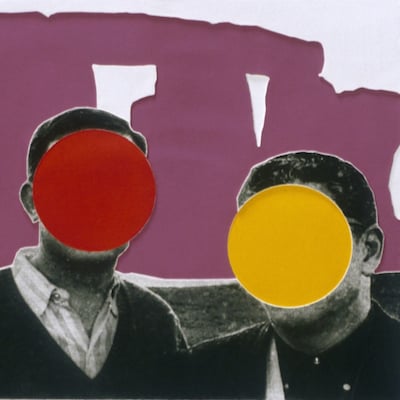
What is conceptual art?
- Show All
- Established
- Discoveries
- Show All
Artworks Related to Conceptual art

Matias Faldbakken
Box 2, 2014
Limited Edition Print
Lithograph
EUR 3,000

Matias Faldbakken
Box 1, 2014
Limited Edition Print
Lithograph
EUR 3,000

Matias Faldbakken
Hilux Variations 11, 2014
Limited Edition Print
Monotype
EUR 7,000
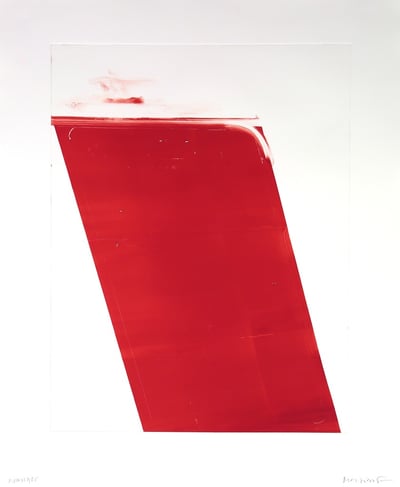
Matias Faldbakken
Hilux Variations 9 , 2014
Limited Edition Print
Monotype
EUR 7,000
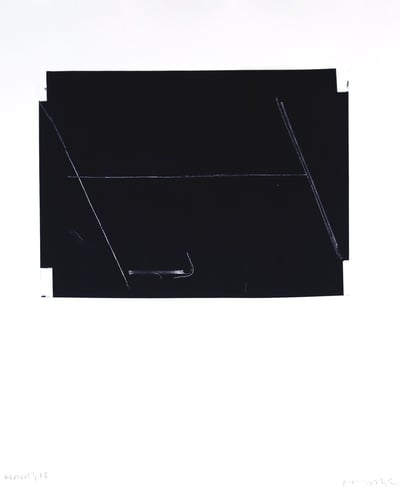
Matias Faldbakken
Hilux Variations 8 , 2014
Limited Edition Print
Monotype
EUR 5,000

Matias Faldbakken
Hilux Variations 7, 2014
Limited Edition Print
Monotype
EUR 7,000
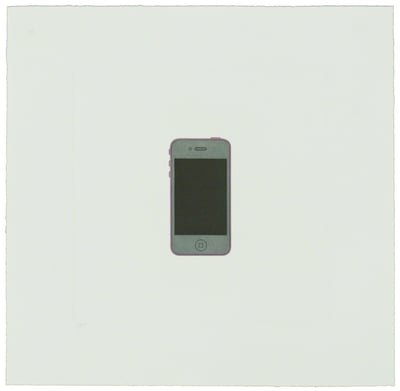
Michael Craig-Martin
The Catalan Suite II - iPhone, 2013
Limited Edition Print
Etching
EUR 750
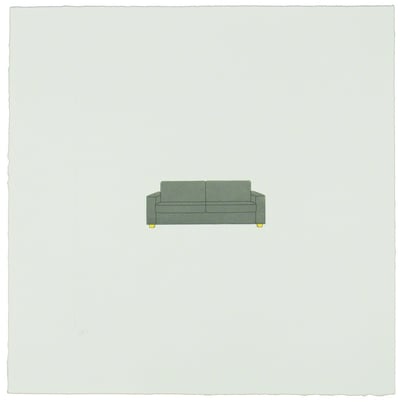
Michael Craig-Martin
The Catalan Suite II - Sofa, 2013
Limited Edition Print
Etching
EUR 750
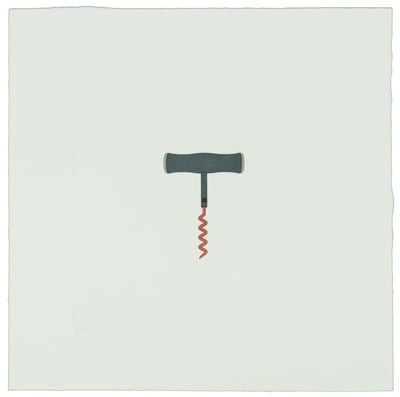
Michael Craig-Martin
The Catalan Suite II - Corkscrew, 2013
Limited Edition Print
Etching
EUR 750
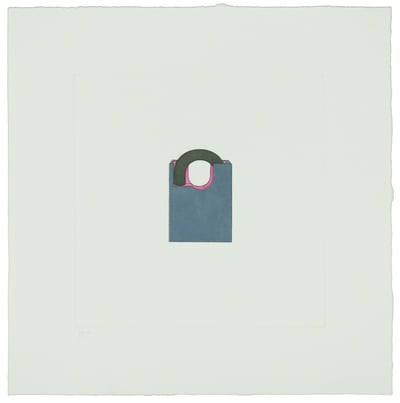
Michael Craig-Martin
The Catalan Suite II - Padlock, 2013
Limited Edition Print
Etching
EUR 750
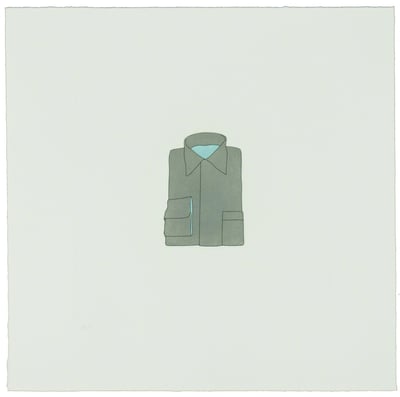
Michael Craig-Martin
The Catalan Suite II - Shirt, 2013
Limited Edition Print
Etching
EUR 750
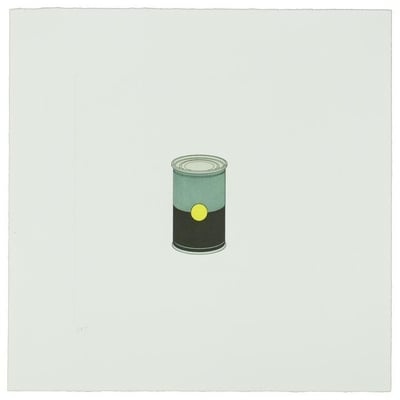
Michael Craig-Martin
The Catalan Suite II - Soup Can, 2013
Limited Edition Print
Etching
Currently Not Available
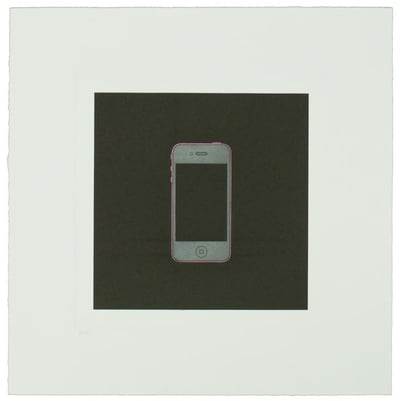
Michael Craig-Martin
The Catalan Suite I - iPhone, 2013
Limited Edition Print
Etching
EUR 750
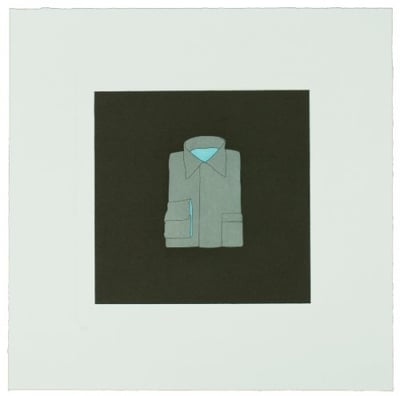
Michael Craig-Martin
The Catalan Suite I - Shirt, 2013
Limited Edition Print
Etching
EUR 750
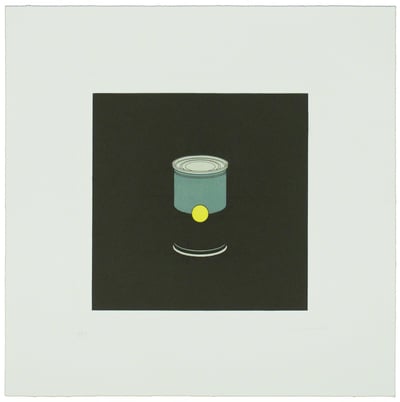
Michael Craig-Martin
The Catalan Suite I - Soup Can, 2013
Limited Edition Print
Etching
EUR 750

Javacheff Christo
Wrapped Fountain, 2009
Limited Edition Print
Collage
EUR 8,000
Related Articles



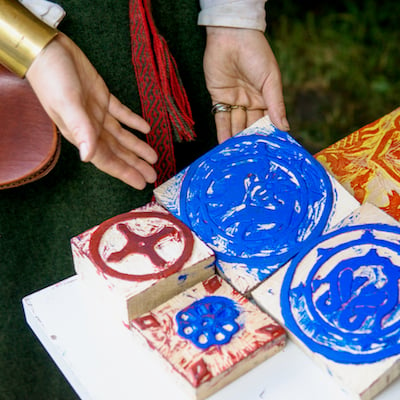
Woodcut is a printing technique where an image is carved into the surface of a woodblock using gouges, with the remaining flat surface holding the ink for printing. The areas cut away by the artist do not carry ink, while the uncut areas do, producing the desired print. The carving follows the wood's grain, unlike wood engraving, where the block is cut across the end-grain. Ink is applied to the surface with a roller, ensuring only the flat, uncarved areas receive ink, leaving the recessed, non-printing areas clean.

Bronze is a metal alloy made primarily of copper and tin, with a typical modern composition of 88% copper and 12% tin. Over time, bronze develops a patina, a surface color that often turns deep green due to oxidation. Large bronze objects, such as sculptures, are typically made in foundries. Bronze is valued for its durability and has been widely used throughout history for art, tools, and weapons.

Hypermodernism is a cultural and artistic movement that emerged in the late 20th and early 21st centuries, characterized by an intense embrace of technology and a focus on speed, complexity, and the future. This movement often challenges traditional modernist values by emphasizing hyper-reality, where the boundaries between reality and virtuality blur. Hypermodernism is evident in architecture, design, and visual arts, where artists and creators use advanced digital tools and futuristic aesthetics to explore themes of globalization, identity, and the impact of technology on society.
Can't find your Answer?
Thank you! Your question has been sent — we'll get back to you shortly.
