
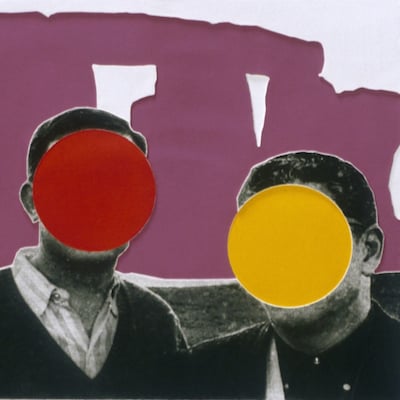
What is conceptual art?
- Show All
- Established
- Discoveries
- Show All
Artworks Related to Conceptual art

Panamarenko
Scotch Gambit at Rijnkaai, Antwerpen, 2001
Limited Edition Print
Monoprint
Inquire For Price

Panamarenko
Noordpool-Arlikoop, 2004
Limited Edition Print
Inkjet print
EUR 9,500
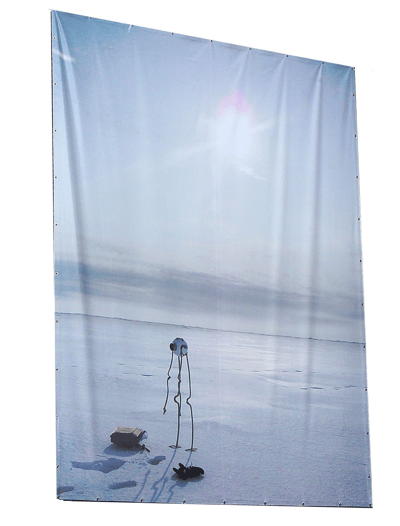
Panamarenko
Noordpool-Arlikoop, 2004
Limited Edition Print
Inkjet print
EUR 12,500
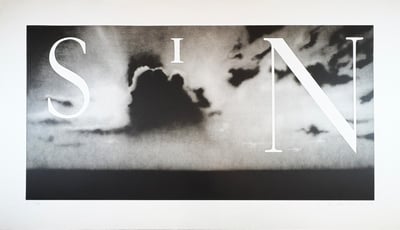
Ed Ruscha
Sin - Without, 2002
Limited Edition Print
Lithograph
USD 50,000 - 60,000

Javacheff Christo
Documenta Kassel KA-D68, 1968
Photography
Inkjet print
EUR 4,400

Richard Prince
18 & Stormy, 2018
Limited Edition Print
Offset Print
Inquire For Price
Jack Pierson
Private Listing
Drawing / Watercolor

Damien Hirst
Dead Black Brilliant Utopia, 2013
Limited Edition Print
Mixed Media
USD 16,700
Damien Hirst
Private Listing
Painting
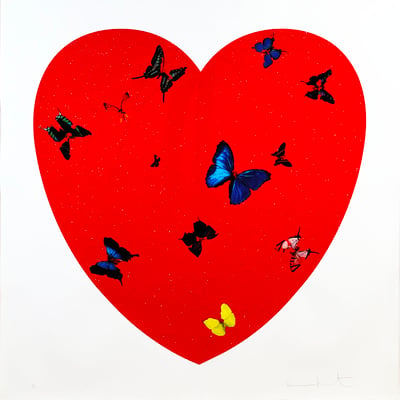
Damien Hirst
All You Need Is Love Love Love, 2010
Limited Edition Print
Screen-print
Inquire For Price
Mel Bochner
Private Listing
Limited Edition Print
Mel Bochner
Private Listing
Limited Edition Print
Mel Bochner
Private Listing
Limited Edition Print
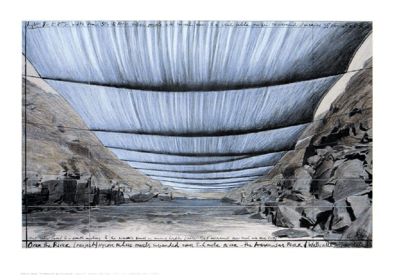
Javacheff Christo
Over The River Project V Under, 1992
Limited Edition Print
Offset Print
USD 1,450

Javacheff Christo
Over The River Project V, 1992
Limited Edition Print
Offset Print
USD 1,400
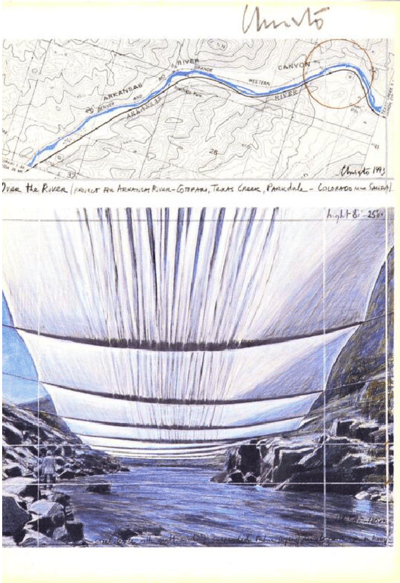
Javacheff Christo
Over The River Project IV, 1993
Limited Edition Print
Offset Print
USD 1,400
Related Articles



Sand consists of loose grains of material primarily made up of minerals like quartz, mica, and feldspar, as well as small fragments of rocks. Sand paintings are created by pouring colored sand into intricate designs, often for cultural rituals or special celebrations. These designs can take many days to complete and are traditionally brushed away after the ceremony, emphasizing the impermanence of the artwork.

Wax is a solid material derived from plant, animal, and petroleum sources. It is used to protect paints from wear, create sculptures, make wax crayons and colored pencils, and for encaustic painting. In encaustic painting, colored beeswax is shaped with special tools to create textured, raised surfaces.

Queer Aesthetics refers to an art movement that emerged in the 1980s, focusing on themes of homosexuality, lesbianism, and broader issues of identity and gender. This movement gained momentum in the context of the AIDS crisis and the feminist movement, challenging traditional representations of sexuality and gender. Queer Aesthetics often explores the fluidity of gender and identity, as seen in the works of artists like Nan Goldin, who is known for her photography of individuals with ambiguous or non-conforming gender presentations.
Can't find your Answer?
Thank you! Your question has been sent — we'll get back to you shortly.
