
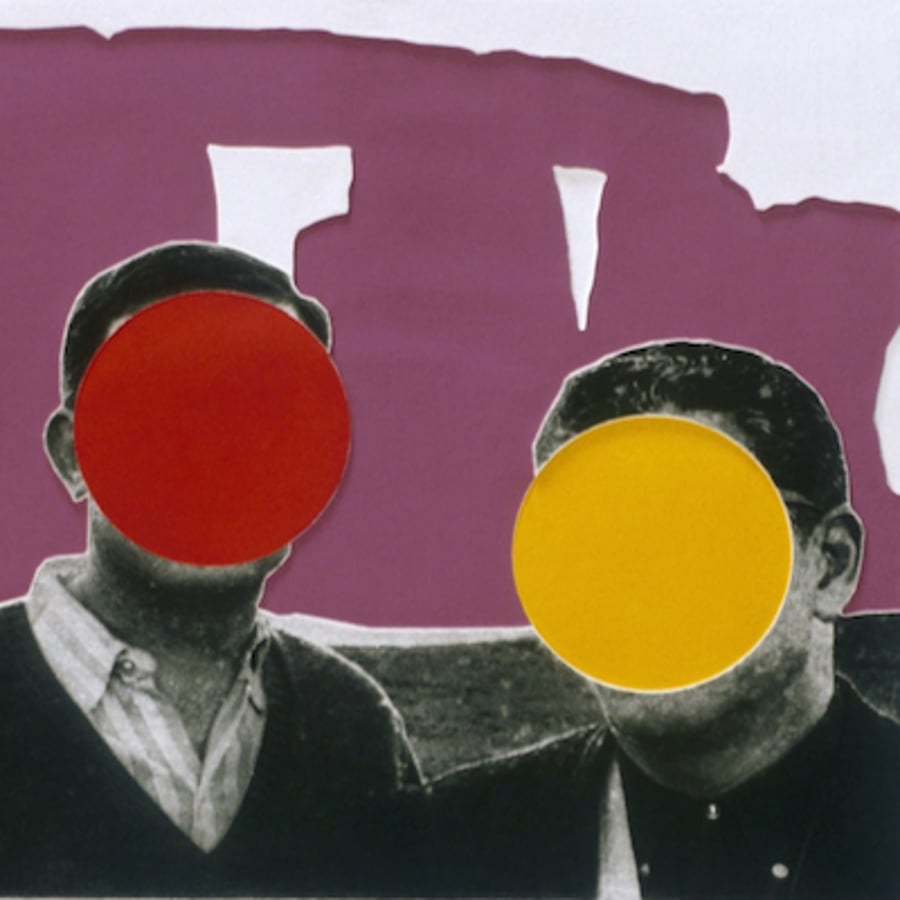
What is conceptual art?
- Show All
- Established
- Discoveries
- Show All
Artworks Related to Conceptual art

Sol LeWitt
Steps (Form Derived from a Cubic Rectangle), 1992
Limited Edition Print
Woodcut
EUR 5,900
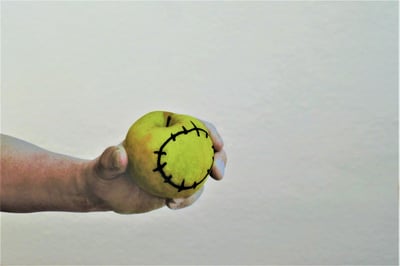
Michelangelo Pistoletto
La mela reintegrata, 2014
Limited Edition Print
Screen-print
EUR 4,850

Glenn Ligon
America , 2015
Limited Edition Print
Screen-print
Currently Not Available
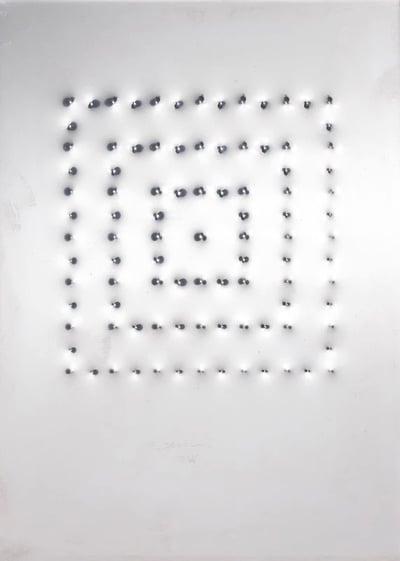
Enrico Castellani
Estroflesssso, 2008
Sculpture / Object
Metal
Currently Not Available
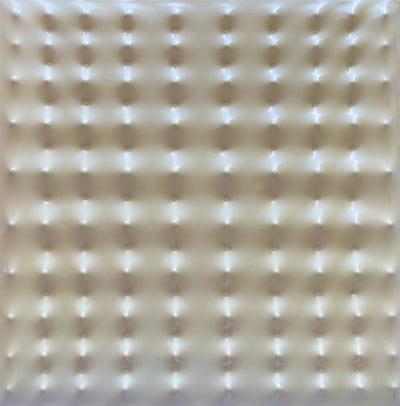
Enrico Castellani
Superficie (Vanilla/Gold), 1968
Limited Edition Print
Plastic
EUR 4,200

Jasper Johns
Double Flags, 1979-80
Limited Edition Print
Lithograph
Currently Not Available

Claes Oldenburg
Centennial Print for the Judson Memorial Church, 1990
Limited Edition Print
Screen-print
USD 1,150

Francois Morellet
Untitled (Intersecting Lines), 1975
Limited Edition Print
Lithograph
EUR 1,375

Francois Morellet
Untitled (black Grid Pattern), 1975
Limited Edition Print
Lithograph
EUR 1,375

Antonio Dias
In Motion, 1975
Limited Edition Print
Silkscreen
EUR 6,000

Antonio Dias
Anywhere is My Land, 1975
Limited Edition Print
Silkscreen
EUR 6,000
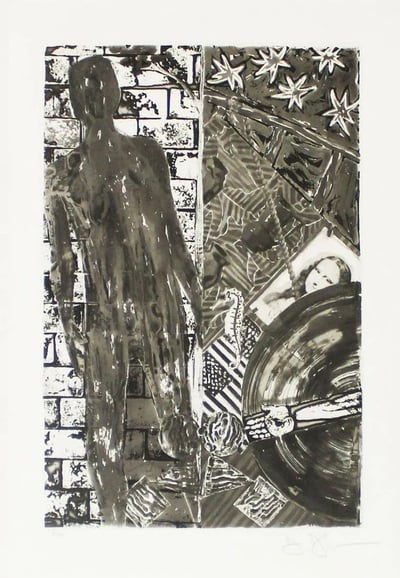
Jasper Johns
Summer, 1985
Limited Edition Print
Etching and Aquatint
USD 5,250
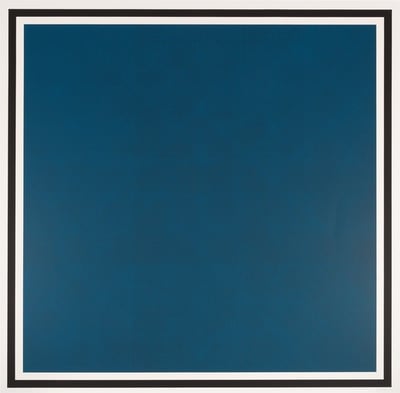
Sol LeWitt
Ohne Titel (Blue Square), 1990
Limited Edition Print
Serigraph
USD 5,250

Claes Oldenburg
Study for Steel and Lead Ashtray, 1976
Limited Edition Print
Etching and Aquatint
EUR 3,750

Arne Quinze
My home, my house, my stilt house, 2010
Limited Edition Print
Digital Print on paper
Currently Not Available
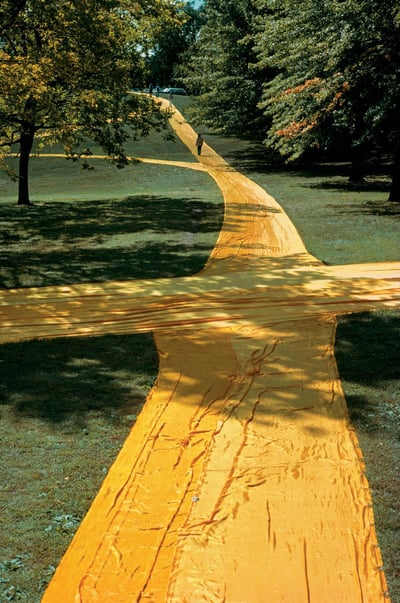
Javacheff Christo
Wrapped Walkways Detail WW-451
Limited Edition Print
Photograph
EUR 11,000
Related Articles


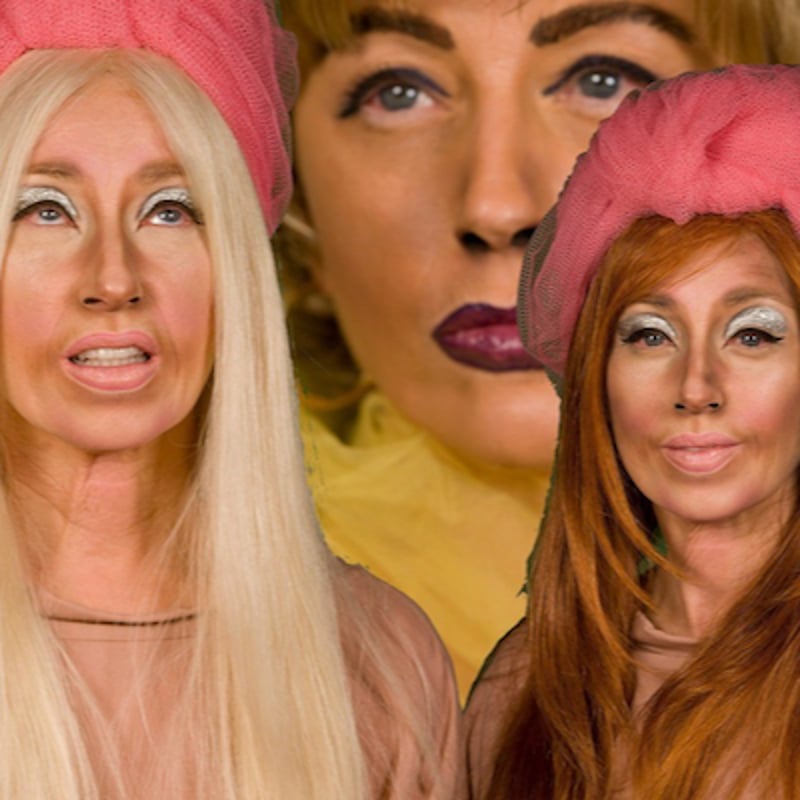
Lowbrow is a derogatory term that refers to certain forms of popular culture. It describes an art movement that began in Los Angeles in the 1970s. The term lowbrow originally refers to a person with little intellectual or refined taste. The Lowbrow art movement, also known as Pop Surrealism, blends elements of underground comics, punk music, hot rod culture, and other subcultures, often with a sense of humor and irony.

An artist proof traditionally refers to a print impression taken during the printing process to evaluate the current state of the artwork as the artist works on the plate. These proofs often show incomplete images and are sometimes called trial impressions or working proofs. However, in modern practice, an artist proof typically refers to an impression of the finished work that is identical to the numbered edition copies but is set aside for the artist's personal use. Artist proofs are usually marked A.P. and may be considered more valuable by collectors due to their limited availability.
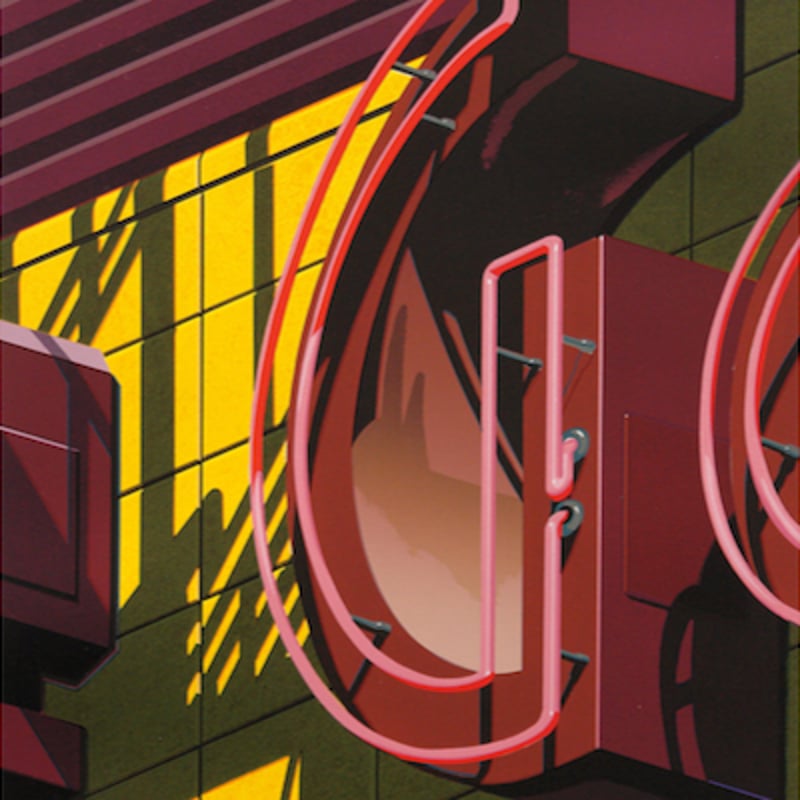
Hyperrealism is a genre of sculpture and painting that closely resembles high-resolution photographs. It is an evolution of Photorealism and is often applied to an independent art style or movement that became prominent in Europe and the United States in the early 2000s. Hyperrealist artists focus on extreme detail and precision, creating works that are often indistinguishable from real-life images.
Can't find your Answer?
Thank you! Your question has been sent — we'll get back to you shortly.
